An electrical system is the backbone of any commercial facility, supporting everything from lighting and HVAC equipment to computers, machinery, and safety systems. Before a building can operate efficiently and safely, one critical step must be completed correctly: the electrical load calculation for a commercial building. This process determines how much electrical power a building requires to function both now and in the future. Without accurate calculations, businesses can face frequent outages, unsafe conditions, costly retrofits, and compliance issues.
Electrical load calculations are not just a technical formality. They directly influence system design, equipment selection, energy efficiency, and long-term scalability. Whether you are constructing a new commercial building, renovating an existing space, or planning to add new equipment, understanding how electrical load calculations work is essential. This guide explains what electrical load calculations are, how they are performed, why accuracy matters, and when professional expertise becomes critical.
What is the Electrical Load Calculation for Commercial Buildings?
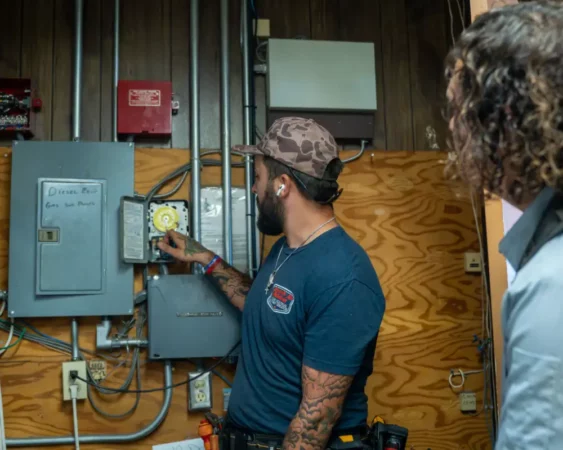
An electrical load calculation for a commercial building is an analysis used to determine the total amount of electrical power the building will require under normal and peak operating conditions. It accounts for all electrical loads within the facility, including lighting, HVAC systems, receptacles, specialized equipment, and future expansion allowances.
In commercial settings, load calculations are more complex than in residential properties. Commercial buildings often include a variety of systems operating simultaneously, sometimes with high-demand loads such as commercial kitchens, data centers, manufacturing equipment, or medical devices. Load calculations help engineers and electricians determine the appropriate size for service panels, transformers, feeders, breakers, and wiring.
These calculations are typically required for permitting and code compliance and are guided by standards such as the National Electrical Code. They ensure that electrical systems can handle expected demand without overheating, tripping breakers, or creating safety hazards.
Factors That Affect Commercial Electrical Load Calculations
Several variables influence how electrical loads are calculated for commercial buildings. Understanding these factors helps explain why no two calculations are exactly the same.
Key factors include:
- Building size and layout, including square footage and number of floors
- Type of occupancy such as office, retail, healthcare, industrial, or mixed use
- Lighting systems, including interior, exterior, and emergency lighting
- HVAC systems, which often represent the largest electrical demand
- Plug loads from computers, office equipment, appliances, and machinery
- Specialty equipment such as elevators, refrigeration units, or production machinery
- Operating hours and usage patterns
- Demand factors and load diversity, which account for equipment not running at full capacity at all times
- Local electrical codes and utility requirements
All of these elements must be considered together to create an accurate picture of the building’s electrical needs.
How to Calculate Electrical Load for a Commercial Building
Calculating electrical load for a commercial building is a step-by-step process that requires careful documentation and adherence to code standards. While the exact methodology may vary depending on building type and jurisdiction, the overall approach follows a consistent structure.
The process begins with identifying all electrical loads in the building. This includes both fixed loads, such as lighting and HVAC systems, and variable loads, such as receptacles and equipment.
Typical steps include:
- Listing all electrical equipment and systems with their rated power in watts or volt-amps
- Calculating lighting load based on square footage and lighting power density requirements
- Accounting for HVAC equipment load, including compressors, air handlers, and control systems
- Including receptacle loads using standard assumptions or actual equipment ratings
- Applying demand factors to reflect realistic usage patterns
- Summing all adjusted loads to determine the total connected load
- Converting total load into amperage to size service equipment appropriately
For example, lighting loads are often calculated using watts per square foot, while HVAC equipment loads are based on manufacturer specifications. Demand factors reduce the total load to reflect the fact that not all systems operate at full capacity simultaneously.
Load calculations must also consider future needs. This may involve adding capacity for potential expansion, additional tenants, or upgraded equipment. Designing only for current demand can lead to expensive modifications later.
Why Accurate Load Calculations Are Critical
Accurate electrical load calculations are essential for safety, reliability, and cost control. Undersized systems can lead to overloaded circuits, frequent breaker trips, voltage drops, and fire hazards. Oversized systems, on the other hand, can increase installation costs and reduce energy efficiency.
One of the most important reasons for precise load calculations is compliance. Electrical inspectors and utility providers often require documented load calculations before approving service connections. Incorrect or incomplete calculations can delay projects and lead to failed inspections.
Accurate calculations also support energy efficiency goals. Properly sized systems operate more efficiently, reduce wasted energy, and help control utility costs. This is especially important in commercial buildings where energy expenses represent a significant portion of operating costs.
Additionally, accurate load calculations support long-term planning. Commercial buildings often evolve over time, adding new equipment, technology, or tenants. A well-designed electrical system with adequate capacity allows for growth without major disruptions.
Risks of Underestimating Electrical Load Requirements
Underestimating electrical load is one of the most common and costly mistakes in commercial electrical design. The consequences can affect both safety and business operations.
Common risks include:
- Overloaded circuits that increase fire risk
- Frequent breaker trips that disrupt operations
- Voltage drops that damage sensitive equipment
- Inadequate capacity for future expansion
- Costly system upgrades after installation
- Reduced equipment lifespan due to electrical stress
In environments such as healthcare facilities, data centers, or manufacturing plants, electrical failures can have serious consequences. Even in offices or retail spaces, unreliable electrical systems can lead to downtime, lost revenue, and dissatisfied customers.
Proper load calculations help prevent these issues by ensuring the system is built to handle realistic operating conditions.
When to Involve a Professional Electrical Contractor
While basic electrical concepts can be understood by building owners and facility managers, commercial load calculations should almost always involve a licensed electrical contractor or engineer. Professional expertise is especially important for larger or more complex facilities.
You should involve a professional when:
- Designing a new commercial building
- Renovating or expanding an existing facility
- Adding high-demand equipment or machinery
- Experiencing recurring electrical issues
- Upgrading service capacity or panels
- Navigating permitting and inspection requirements
A professional electrical contractor understands local codes, demand factors, and best practices. They can also coordinate with HVAC and plumbing systems to ensure all building systems work together efficiently.
Involving professionals early in the design process can save time and money by avoiding redesigns and ensuring compliance from the start.
Bringing It All Together
Electrical load calculation for a commercial building is not just a technical exercise. It is a foundational step that influences safety, performance, and long-term success. Accurate calculations ensure that electrical systems are reliable, efficient, and capable of supporting both current operations and future growth.
By understanding what goes into load calculations, why they matter, and when professional support is needed, business owners and property managers can make informed decisions that protect their investments. Whether you are planning a new construction project or evaluating an existing facility, proper electrical load planning is essential.
If you need expert guidance, Accurate Air Solutions, LLC is here to help. At Accurate Air Solutions, LLC, we understand that comfort can’t wait, and neither should you. That’s why we offer reliable, 24/7 HVAC/R, electrical, and plumbing services across Texas, with a strong presence in Abilene, Brownwood, San Angelo, Lubbock, and Galveston areas. Our mission is to keep homes and businesses running smoothly by delivering expert craftsmanship, round-the-clock availability, and customized solutions that fit your needs and your budget. Whether you’re battling the relentless heat of a Texas summer, facing an unexpected plumbing emergency in the middle of the night, or troubleshooting electrical issues that disrupt your home or business, we’re the dependable team that’s always ready to help. From residential fixes to large-scale commercial projects, Accurate Air Solutions, LLC is your go-to partner for comfort, efficiency, and peace of mind. Contact us to schedule service or learn how our team can support your next project.
Commercial electrical maintenance is one of the most critical yet often overlooked aspects of managing a commercial property. From office buildings and retail centers to warehouses and healthcare facilities, electrical systems are the backbone of daily operations. When these systems are not properly maintained, the risks include safety hazards, costly downtime, equipment damage, and higher energy bills. A proactive maintenance approach helps business owners and facility managers protect their investments, ensure compliance, and maintain reliable power for employees, customers, and tenants.
This guide breaks down exactly what should be on your commercial electrical maintenance checklist, why each component matters, and when it is time to bring in a licensed professional. By understanding what to inspect, test, and document, you can create a safer, more efficient, and more dependable electrical system for your facility.
Why Commercial Electrical Maintenance Is Essential
Electrical systems in commercial buildings operate under heavier loads and more complex demands than residential systems. Lighting, HVAC equipment, data centers, machinery, and safety systems all rely on consistent and properly distributed power. Over time, normal wear and tear, environmental conditions, and increased electrical demand can degrade components and create hidden risks.
Routine commercial electrical maintenance is essential for several reasons:
- Improved safety by identifying fire hazards, faulty wiring, and overloaded circuits
- Increased system reliability and reduced unexpected outages
- Extended lifespan of electrical equipment and infrastructure
- Lower operating costs through improved energy efficiency
- Compliance with local electrical codes and insurance requirements
Without a structured maintenance plan, minor issues can escalate into major failures. A loose connection, for example, can generate heat, damage equipment, or even lead to an electrical fire. Preventive maintenance allows issues to be addressed before they disrupt business operations or compromise safety.
Commercial Electrical Maintenance Checklist Explained
An effective maintenance checklist covers all major components of a commercial electrical system. While the exact requirements may vary depending on building size and usage, the following areas should be reviewed regularly as part of any comprehensive program.
Preventive Maintenance Tasks for Commercial Electrical Systems
Preventive maintenance focuses on proactive inspections and servicing to reduce the likelihood of failures. These tasks are best performed on a scheduled basis, such as quarterly or annually, depending on system load and facility type.
Key preventive maintenance tasks include:
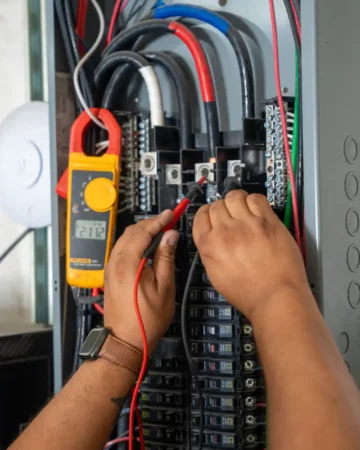
- Inspecting electrical panels for corrosion, overheating, and loose connections
- Checking circuit breakers and fuses for proper operation and correct sizing
- Tightening electrical connections to manufacturer specifications
- Cleaning panels and components to remove dust, debris, and moisture
- Testing ground fault circuit interrupters and arc fault circuit interrupters
- Verifying proper labeling of panels, circuits, and disconnects
- Inspecting wiring insulation for cracks, fraying, or discoloration
- Reviewing load balance across phases to prevent overheating
- Inspecting transformers for noise, leaks, or abnormal temperatures
Thermal imaging inspections are also highly recommended. Infrared scans can detect hot spots caused by resistance, loose connections, or overloaded circuits that are not visible during a standard visual inspection. Identifying these issues early helps prevent catastrophic failures and unplanned shutdowns.
Electrical Safety Risks in Commercial Facilities
Electrical hazards in commercial environments can have serious consequences, especially in facilities with high occupancy or specialized equipment. Understanding common safety risks highlights why routine maintenance is so important.
Some of the most common electrical safety risks include:
- Overloaded circuits caused by added equipment or system expansion
- Aging wiring that no longer meets current electrical demands
- Improper grounding and bonding
- Damaged outlets, switches, or cords
- Exposed wiring in mechanical rooms or ceiling spaces
- Faulty emergency lighting and exit signage
- Inadequate surge protection for sensitive electronics
These risks can lead to electric shock, fires, equipment damage, and regulatory violations. Regular inspections help identify unsafe conditions before an incident occurs. Maintenance records also provide documentation that safety checks are being performed, which is valuable for insurance audits and compliance reviews.
Lighting System Inspection and Maintenance
Lighting is a significant component of commercial electrical systems and a major contributor to energy usage. Poorly maintained lighting not only wastes energy but can also impact employee productivity and customer experience.
Lighting maintenance tasks should include:
- Inspecting fixtures for damage, flickering, or inconsistent output
- Replacing burned-out or failing lamps and ballasts
- Cleaning lenses and reflectors to maximize light output
- Checking emergency lighting and exit signs for proper operation
- Evaluating opportunities to upgrade to LED lighting
Upgrading to energy-efficient lighting systems can significantly reduce utility costs while improving light quality. Maintenance inspections are an ideal time to assess whether existing fixtures are still performing efficiently or if upgrades would provide long term savings.
Power Distribution and Equipment Checks
Power distribution equipment such as switchgear, panelboards, and transformers must be properly maintained to ensure stable electrical flow throughout the facility.
Checklist items for power distribution include:
- Inspecting switchgear for signs of wear or overheating
- Verifying proper operation of disconnects and safety devices\
- Checking clearances around electrical equipment to meet code requirements
- Inspecting conduit and raceways for damage or corrosion
- Ensuring equipment rooms are dry, clean, and properly ventilated
Mechanical damage, moisture intrusion, and poor ventilation can all shorten the lifespan of electrical equipment. Routine maintenance ensures these issues are corrected promptly.
How Electrical Maintenance Prevents System Failures
System failures rarely happen without warning. In most cases, there are early signs such as unusual sounds, heat buildup, tripped breakers, or flickering lights. Commercial electrical maintenance is designed to catch these warning signs before they escalate.
Regular inspections and testing help prevent failures by:
- Identifying worn components before they fail
- Reducing electrical resistance caused by loose or corroded connections
- Preventing overloads by monitoring system capacity
- Ensuring protective devices function correctly during faults
- Improving overall system stability and performance
Preventive maintenance also reduces downtime. Electrical failures can shut down operations, disrupt customers, and lead to lost revenue. Planned maintenance allows repairs and upgrades to be scheduled during off-hours, minimizing business disruption.
When to Hire a Licensed Commercial Electrician
While basic visual checks can be handled by trained maintenance staff, many aspects of commercial electrical maintenance require a licensed professional. Working on live electrical systems without proper training can be dangerous and may violate local codes.
You should hire a licensed commercial electrician when:
- Performing panel inspections or internal repairs
- Upgrading electrical capacity or adding new equipment
- Conducting infrared thermography or advanced testing
- Troubleshooting recurring electrical issues
- Ensuring compliance with current electrical codes
- Addressing safety concerns identified during inspections
Licensed electricians have the training, tools, and experience needed to safely diagnose and repair complex electrical systems. They also stay up to date on code changes and industry best practices, ensuring your facility remains compliant and safe.
Creating a Long-Term Commercial Electrical Maintenance Plan
A checklist is most effective when it is part of a long-term maintenance strategy. This includes setting inspection intervals, documenting findings, and prioritizing repairs based on risk and urgency.
Best practices for maintenance planning include:
- Scheduling routine inspections annually or semiannually
- Keeping detailed maintenance records and reports
- Coordinating electrical maintenance with HVAC and plumbing inspections
- Budgeting for upgrades and replacements before failures occur
- Working with a trusted service provider familiar with your facility
A proactive approach not only improves safety and reliability but also supports energy efficiency goals. Well maintained electrical systems operate more efficiently, reducing wasted energy and lowering operating costs over time.
Partner With a Trusted Commercial Service Provider
Commercial electrical maintenance is not just about fixing problems. It is about protecting people, equipment, and business continuity. A comprehensive checklist, combined with professional expertise, ensures your electrical systems can support your operations safely and efficiently for years to come.
At Accurate Air Solutions, LLC, we understand that comfort can’t wait, and neither should you. That’s why we offer reliable, 24/7 HVAC/R, electrical, and plumbing services across Texas, with a strong presence in Abilene, Brownwood, San Angelo, Lubbock, and Galveston areas. Our mission is to keep homes and businesses running smoothly by delivering expert craftsmanship, round-the-clock availability, and customized solutions that fit your needs and your budget. Whether you’re battling the relentless heat of a Texas summer, facing an unexpected plumbing emergency in the middle of the night, or troubleshooting electrical issues that disrupt your home or business, we’re the dependable team that’s always ready to help. From residential fixes to large-scale commercial projects, Accurate Air Solutions, LLC is your go-to partner for comfort, efficiency, and peace of mind. Contact us today to schedule professional commercial electrical maintenance and keep your systems operating safely and reliably.


