


Commercial Electrical Maintenance: What Should Be on Your Checklist?
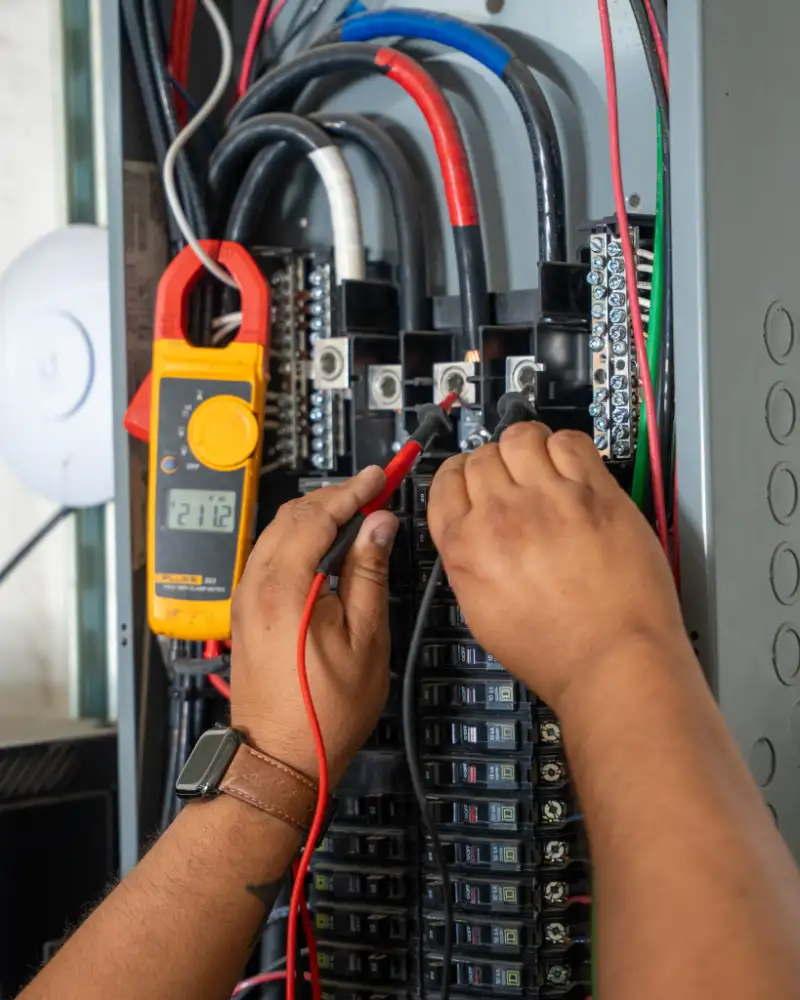
Commercial electrical maintenance is one of the most critical yet often overlooked aspects of managing a commercial property. From office buildings and retail centers to warehouses and healthcare facilities, electrical systems are the backbone of daily operations. When these systems are not properly maintained, the risks include safety hazards, costly downtime, equipment damage, and higher energy bills. A proactive maintenance approach helps business owners and facility managers across Abilene, Lubbock, Brownwood, and throughout Texas protect their investments, ensure compliance, and maintain reliable power for employees, customers, and tenants.
This guide breaks down exactly what should be on your commercial electrical maintenance checklist, why each component matters, and when it is time to bring in a licensed professional. By understanding what to inspect, test, and document, you can create a safer, more efficient, and more dependable electrical system for your facility.
Why Commercial Electrical Maintenance Is Essential
The National Electrical Code (NEC), published by the National Fire Protection Association, sets the baseline standards for safe electrical installation and maintenance in commercial facilities across the United States. Staying current with these requirements is a core part of any responsible maintenance program.
Electrical systems in commercial buildings operate under heavier loads and more complex demands than residential systems. Lighting, HVAC equipment, data centers, machinery, and safety systems all rely on consistent and properly distributed power. Over time, normal wear and tear, environmental conditions, and increased electrical demand can degrade components and create hidden risks.
Routine commercial electrical maintenance is essential for several reasons:
- Improved safety by identifying fire hazards, faulty wiring, and overloaded circuits
- Increased system reliability and reduced unexpected outages
- Extended lifespan of electrical equipment and infrastructure
- Lower operating costs through improved energy efficiency
- Compliance with local electrical codes and insurance requirements
Without a structured maintenance plan, minor issues can escalate into major failures. A loose connection, for example, can generate heat, damage equipment, or even lead to an electrical fire. Preventive maintenance allows issues to be addressed before they disrupt operations or compromise safety. If you want to go even deeper on prevention, our guide to commercial electrical preventive maintenance covers additional inspection points worth reviewing alongside this checklist.
Commercial Electrical Maintenance Checklist: What to Include
An effective maintenance checklist covers all major components of a commercial electrical system. While the exact requirements may vary depending on building size and usage, the following areas should be reviewed regularly as part of any comprehensive program.
Preventive Maintenance Tasks for Commercial Electrical Systems
Preventive maintenance focuses on proactive inspections and servicing to reduce the likelihood of failures. These tasks are best performed on a scheduled basis, such as quarterly or annually, depending on system load and facility type.
Key preventive maintenance tasks include:
- Inspecting electrical panels for corrosion, overheating, and loose connections
- Checking circuit breakers and fuses for proper operation and correct sizing
- Tightening electrical connections to manufacturer specifications
- Cleaning panels and components to remove dust, debris, and moisture
- Testing ground fault circuit interrupters (GFCIs) and arc fault circuit interrupters (AFCIs)
- Verifying proper labeling of panels, circuits, and disconnects
- Inspecting wiring insulation for cracks, fraying, or discoloration
- Reviewing load balance across phases to prevent overheating
- Inspecting transformers for noise, leaks, or abnormal temperatures
Thermal imaging inspections are also highly recommended. Infrared scans can detect hot spots caused by resistance, loose connections, or overloaded circuits that are not visible during a standard visual inspection. Identifying these issues early helps prevent catastrophic failures and unplanned shutdowns.
Electrical Safety Risks in Commercial Facilities
Electrical hazards in commercial environments can have serious consequences, especially in facilities with high occupancy or specialized equipment. Understanding common safety risks highlights why routine maintenance is so important.
Some of the most common electrical safety risks in commercial buildings include:
- Overloaded circuits caused by added equipment or system expansion
- Aging wiring that no longer meets current electrical demands
- Improper grounding and bonding
- Damaged outlets, switches, or cords
- Exposed wiring in mechanical rooms or ceiling spaces
- Faulty emergency lighting and exit signage
- Inadequate surge protection for sensitive electronics
These risks can lead to electric shock, fires, equipment damage, and regulatory violations. Regular inspections help identify unsafe conditions before an incident occurs. Maintenance records also provide documentation that safety checks are being performed, which is valuable for insurance audits and compliance reviews.
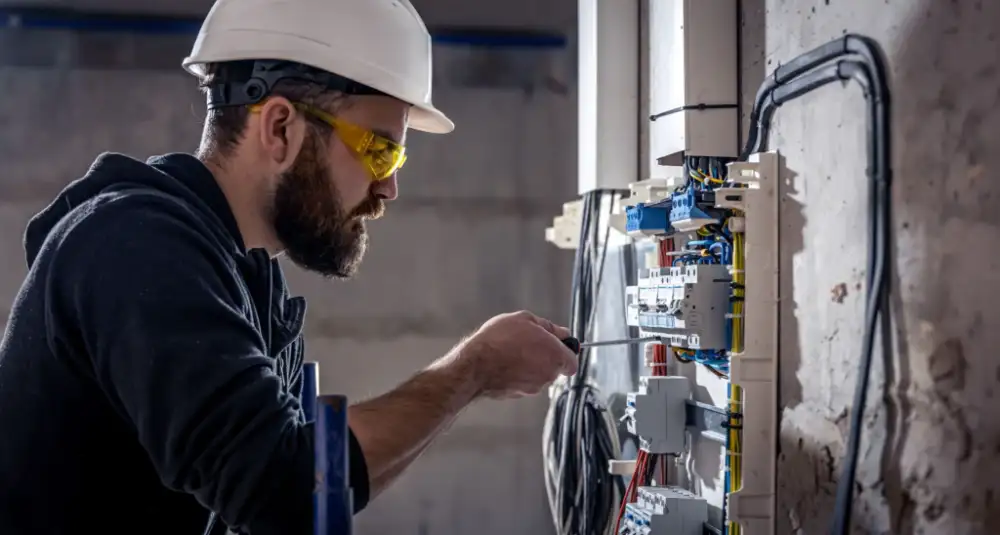
Lighting System Inspection and Maintenance
Lighting is a significant component of commercial electrical systems and a major contributor to energy usage. Poorly maintained lighting not only wastes energy but can also impact employee productivity and customer experience.
Lighting maintenance tasks should include:
- Inspecting fixtures for damage, flickering, or inconsistent output
- Replacing burned-out or failing lamps and ballasts
- Cleaning lenses and reflectors to maximize light output
- Checking emergency lighting and exit signs for proper operation
- Evaluating opportunities to upgrade to LED lighting
Upgrading to energy-efficient lighting systems can significantly reduce utility costs while improving light quality. Maintenance inspections are an ideal time to assess whether existing fixtures are still performing efficiently or if upgrades would provide long-term savings. Businesses that also manage HVAC alongside their electrical systems often find that a coordinated approach helps reduce overall operating costs — you can learn more about that in our commercial HVAC preventive maintenance checklist.
Power Distribution and Equipment Checks
Power distribution equipment such as switchgear, panelboards, and transformers must be properly maintained to ensure stable electrical flow throughout the facility.
Checklist items for power distribution include:
- Inspecting switchgear for signs of wear or overheating
- Verifying proper operation of disconnects and safety devices
- Checking clearances around electrical equipment to meet code requirements
- Inspecting conduit and raceways for damage or corrosion
- Ensuring equipment rooms are dry, clean, and properly ventilated
Mechanical damage, moisture intrusion, and poor ventilation can all shorten the lifespan of electrical equipment. Routine maintenance ensures these issues are corrected promptly and helps you avoid expensive emergency repairs down the road.
Understanding Electrical Load and System Capacity
One aspect of commercial electrical maintenance that often gets overlooked is understanding whether your building’s electrical system is properly sized for its current demands. As businesses grow and add equipment, the load placed on circuits and panels can exceed what was originally designed. Knowing how to assess this is critical before a failure occurs. For a detailed breakdown of how this works, see our guide on how to calculate electrical load for a commercial building.
During any maintenance inspection, electricians should:
- Review current load data against panel ratings
- Identify circuits consistently operating near capacity
- Flag any recent equipment additions that were not accounted for in the original design
- Recommend capacity upgrades before overloads cause damage or downtime
How Commercial Electrical Maintenance Prevents System Failures
System failures rarely happen without warning. In most cases, there are early signs such as unusual sounds, heat buildup, tripped breakers, or flickering lights. Scheduled commercial electrical maintenance is designed to catch these warning signs before they escalate into something far more costly.
Regular inspections and testing help prevent failures by:
- Identifying worn components before they fail
- Reducing electrical resistance caused by loose or corroded connections
- Preventing overloads by monitoring system capacity
- Ensuring protective devices function correctly during faults
- Improving overall system stability and performance
Preventive maintenance also reduces downtime. Electrical failures can shut down operations, disrupt customers, and lead to lost revenue. Planned maintenance allows repairs and upgrades to be scheduled during off-hours, minimizing business disruption. Businesses in San Angelo and Lubbock dealing with the extreme heat and dust conditions of West Texas are especially vulnerable to accelerated equipment wear, making a consistent maintenance schedule even more important.

When to Hire a Licensed Commercial Electrician
While basic visual checks can be handled by trained maintenance staff, many aspects of commercial electrical maintenance require a licensed professional. Working on live electrical systems without proper training can be dangerous and may violate local codes.
You should hire a licensed commercial electrician when:
- Performing panel inspections or internal repairs
- Upgrading electrical capacity or adding new equipment
- Conducting infrared thermography or advanced testing
- Troubleshooting recurring electrical issues
- Ensuring compliance with current electrical codes
- Addressing safety concerns identified during inspections
Licensed electricians have the training, tools, and experience needed to safely diagnose and repair complex electrical systems. They also stay current on code changes and industry best practices, ensuring your facility remains compliant and safe. Our commercial electrical services team is available around the clock for both scheduled maintenance and emergency needs throughout Texas.
How Often Should Commercial Electrical Maintenance Be Performed?
The right maintenance frequency depends on your facility type, equipment age, and usage patterns. As a general guideline:
| Maintenance Task | Recommended Frequency |
|---|---|
| Visual panel inspection | Monthly |
| GFCI/AFCI testing | Monthly |
| Full preventive maintenance inspection | Annually or semi-annually |
| Infrared thermography scan | Annually |
| Load capacity review | Whenever equipment is added |
| Lighting system audit | Annually |
| Emergency lighting test | Monthly |
High-use facilities such as restaurants, manufacturing plants, and healthcare buildings may require more frequent inspections due to the heavy demands placed on their electrical infrastructure.
Creating a Long-Term Commercial Electrical Maintenance Plan
A checklist is most effective when it is part of a long-term maintenance strategy. This includes setting inspection intervals, documenting findings, and prioritizing repairs based on risk and urgency.
Best practices for maintenance planning include:
- Scheduling routine inspections annually or semi-annually
- Keeping detailed maintenance records and reports
- Coordinating electrical maintenance with commercial HVAC and plumbing inspections for a full-facility approach
- Budgeting for upgrades and replacements before failures occur
- Working with a trusted service provider who is familiar with your facility
A proactive approach not only improves safety and reliability but also supports energy efficiency goals. Well-maintained electrical systems operate more efficiently, reducing wasted energy and lowering operating costs over time. Businesses in Abilene and Brownwood that bundle electrical, HVAC, and plumbing maintenance with a single provider often find it easier to stay on schedule and catch cross-system issues faster.
Partner With a Trusted Commercial Electrical Service Provider
Commercial electrical maintenance is not just about fixing problems. It is about protecting people, equipment, and business continuity. A comprehensive checklist, combined with professional expertise, ensures your electrical systems can support your operations safely and efficiently for years to come.
At Accurate Air Solutions, LLC, we deliver reliable, 24/7 electrical, HVAC/R, and plumbing services across Texas. Our team serves commercial and residential customers throughout Abilene, Brownwood, Lubbock, San Angelo, Midland, and Odessa with expert craftsmanship and round-the-clock availability. Whether you need a scheduled maintenance inspection or an emergency service call, we are ready to help keep your systems running safely. Contact us today to schedule your commercial electrical maintenance and protect your facility from costly failures.
Frequently Asked Questions About Commercial Electrical Maintenance
How often should commercial electrical systems be inspected?
Most commercial facilities should schedule a full electrical inspection at least once a year. High-demand environments such as restaurants, data centers, and manufacturing facilities may benefit from semi-annual inspections. Monthly visual checks of panels and emergency lighting are recommended for all commercial properties.
What is included in a commercial electrical maintenance checklist?
A thorough checklist covers panel inspections, circuit breaker testing, GFCI and AFCI verification, wiring condition reviews, load balance assessments, lighting system audits, transformer inspections, and power distribution equipment checks. Infrared thermography is also recommended as part of an annual maintenance program.
Why is commercial electrical maintenance important?
Regular maintenance prevents unexpected failures, reduces fire and safety risks, extends the lifespan of electrical equipment, and helps businesses stay compliant with local codes. It also lowers long-term operating costs by catching small issues before they become expensive repairs or cause downtime.
Can my maintenance staff handle commercial electrical inspections?
Basic visual checks can be performed by trained in-house staff. However, internal panel work, infrared scanning, load testing, and any repairs to live systems must be performed by a licensed commercial electrician to ensure safety and code compliance.
Do you offer commercial electrical maintenance in Abilene and surrounding Texas cities?
Yes. Accurate Air Solutions provides commercial electrical maintenance and inspection services across Abilene, Brownwood, Lubbock, San Angelo, Midland, and Odessa. Our team is available 24/7 for both scheduled maintenance and emergency electrical service.

