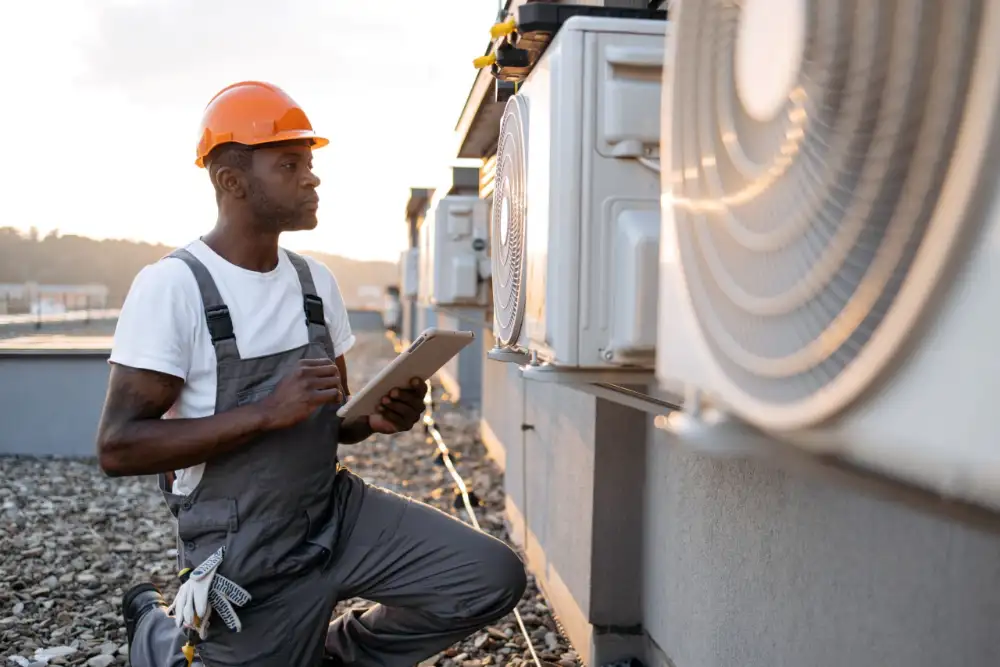
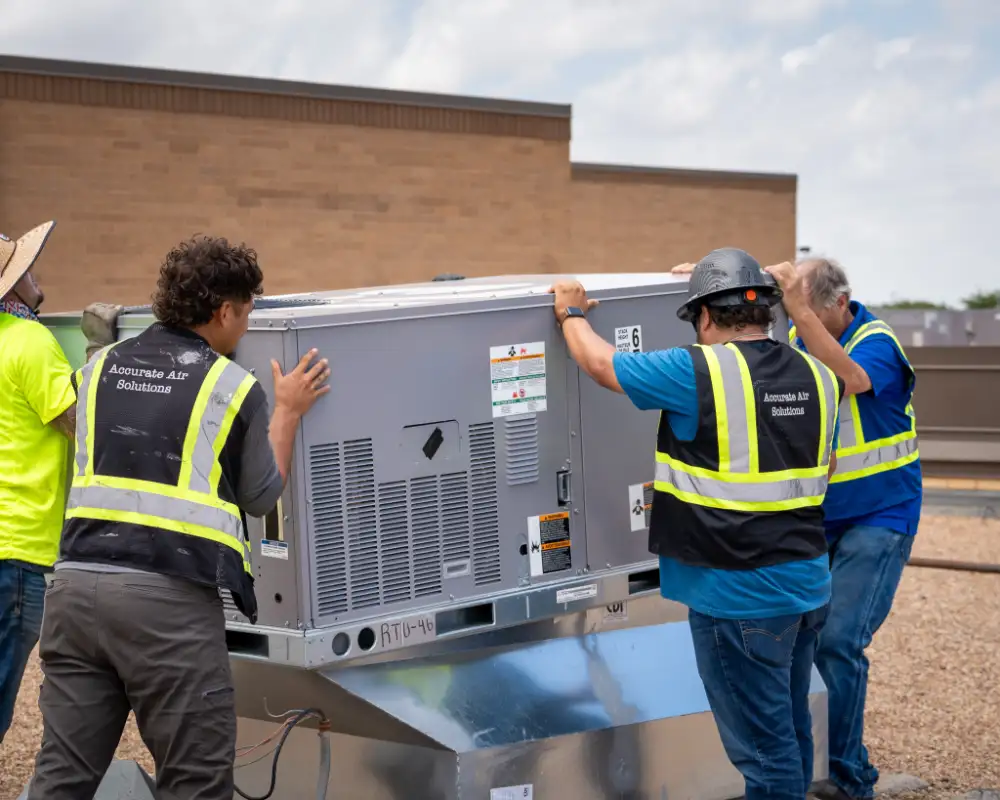
If you are trying to budget for a service call, the first question is usually straightforward: how much does commercial HVAC repair cost? The honest answer is that it depends on the type of system, the severity of the problem, the parts required, the accessibility of the equipment, and whether the repair is needed during regular business hours or as an emergency call. Commercial HVAC systems are larger, more complex, and more heavily used than residential systems, so repair pricing can vary widely from one job to the next across Abilene, Lubbock, Brownwood, and throughout Texas.
For most businesses, HVAC is not just about comfort. It affects employee productivity, customer experience, equipment protection, indoor air quality, refrigeration needs, and in some industries, regulatory compliance. A retail store, restaurant, office building, medical facility, warehouse, or multi-unit commercial property may all rely on HVAC equipment in very different ways. Understanding the factors behind repair costs helps you make better decisions, avoid surprise expenses, and know when it is time to repair, maintain, or replace your system entirely.
Average Commercial HVAC Repair Cost: What to Expect
Commercial HVAC repair costs can range from a few hundred dollars for a minor issue to several thousand dollars for more complex problems. A simple thermostat malfunction, clogged drain line, loose electrical connection, or minor belt replacement typically sits at the lower end of the range. Repairs involving compressors, motors, refrigerant leaks, control boards, rooftop units, or extensive electrical troubleshooting tend to be significantly more expensive.
According to the U.S. Department of Energy, commercial HVAC systems account for a substantial portion of a building’s total energy use, which makes keeping them in good working order both an operational and financial priority.
In general, commercial HVAC repair pricing may include:
Diagnostic or service call fee
Labor charges based on time and complexity
Replacement parts and materials
Refrigerant, if a recharge is needed
Emergency or after-hours service fees
Equipment access costs such as rooftop lift or crane
Additional electrical, plumbing, or refrigeration work when applicable
Because commercial systems vary so much in size and design, there is no universal price list. A small office with a single packaged rooftop unit will typically have different repair needs and costs than a restaurant with HVAC/R equipment, walk-in coolers, exhaust systems, and multiple zones.
Commercial HVAC Repair Cost by Common Issue
To give you a clearer picture of where costs typically fall, here is a general breakdown by repair type. These are broad ranges and actual costs depend on your specific system, location, and service provider.
Repair Type
Complexity
Notes
Thermostat or controls
Low to moderate
Higher if building automation or zoning is involved
Capacitor or contactor
Low
Common repair, parts are generally affordable
Drain line or condensate pump
Low to moderate
Can escalate if water damage has already occurred
Refrigerant leak repair and recharge
Moderate to high
R-22 systems cost significantly more due to refrigerant availability
Fan or blower motor
Moderate to high
Depends on motor size, horsepower, and parts availability
Evaporator or condenser coil
High
Labor-intensive; may warrant replacement evaluation on older units
Compressor replacement
Very high
Often triggers repair vs. replace discussion on aging systems
Control board failure
High
Parts can be hard to find on older commercial equipment
Electrical troubleshooting
Moderate to high
Complexity increases if multiple components are affected
Why Commercial HVAC Repairs Cost More Than Residential Repairs
Commercial HVAC systems are built to serve larger spaces, run for longer hours, and handle heavier heating and cooling demands. This added complexity almost always makes repairs more involved and more expensive than comparable residential HVAC work.
Several factors drive higher commercial repair costs:
Larger equipment with bigger compressors, motors, fans, and coils that cost more to source and replace
More complex controls including advanced thermostats, zoning systems, building automation, sensors, and control boards
Rooftop or difficult access that may require ladders, lifts, cranes, or additional safety precautions
Multiple system components across a single property serving different zones or areas
Business interruption pressure that requires faster diagnosis and turnaround
Specialized HVAC/R equipment including refrigeration systems and ventilation that require trained commercial technicians
The higher cost reflects not just the parts themselves but the expertise, tools, safety requirements, and time needed to properly diagnose and repair the system without disrupting your operations.
Common Commercial HVAC Repairs and What Drives Their Cost
Every repair is different, but some problems show up more often than others in commercial facilities. Understanding what is involved helps you know what questions to ask and what to expect when your contractor delivers a quote.
Thermostat and Control System Issues
A malfunctioning thermostat or control system can cause uneven temperatures, short cycling, failure to start, or incorrect readings. In some cases the fix is as simple as recalibration or a straightforward replacement. In others, the issue involves wiring, sensors, relays, or a building automation system that requires deeper troubleshooting. Cost increases when multiple zones are affected or when the control system is integrated with other building systems.
Electrical Component Failures
Commercial HVAC systems rely on capacitors, contactors, relays, disconnects, motors, control boards, and wiring throughout. Electrical issues can stop a system from running, cause intermittent failures, or create safety hazards that cannot wait. Because electrical problems can damage major HVAC components when left unaddressed, prompt service is important. Our commercial electrical services team works alongside our HVAC technicians when repairs involve both systems.
Refrigerant Leaks
Low refrigerant is almost always a sign of a leak rather than a routine maintenance issue. A technician must locate the leak, repair it where possible, test the system, and recharge it with the correct refrigerant. Cost depends on the refrigerant type, system size, severity of the leak, and how accessible the damaged section is. Systems still running on R-22 refrigerant face significantly higher recharge costs due to limited availability. Ignoring refrigerant leaks leads to poor cooling, higher utility bills, frozen coils, compressor strain, and eventual system failure.
Compressor Repairs or Replacement
The compressor is one of the most critical and expensive components in any HVAC system. If it fails, the system may not cool at all or may operate well below capacity. Compressor-related repairs carry higher costs because the part is expensive, the labor is more involved, and a thorough technician must determine whether a secondary issue caused the failure before simply installing a new one. On older commercial units, a failed compressor often triggers the commercial HVAC repair or replace conversation since the cost may approach or exceed the value of continuing to maintain the existing system.
Fan Motor and Blower Motor Failures
Fan motors and blower motors move conditioned air through the system and throughout the building. When they fail you may notice poor airflow, hot and cold spots, unusual noises, overheating, or a system that shuts down unexpectedly. Repair cost depends on the motor type, horsepower rating, parts availability, and whether additional components such as belts, bearings, capacitors, or pulleys also need attention.
Dirty or Frozen Coils
Evaporator and condenser coils must stay clean to transfer heat effectively. Dirty coils force the system to work harder, raise energy bills, and reduce cooling output. Frozen coils may indicate airflow restrictions, refrigerant issues, clogged filters, or malfunctioning components. Coil cleaning is typically part of routine preventive maintenance, but if a coil is damaged or leaking, the repair becomes more involved and costly. Staying current on maintenance is the best way to keep coil-related costs manageable, which is why our commercial HVAC preventive maintenance checklist specifically includes coil inspection as a recurring task.
Drain Line and Condensate Problems
Commercial cooling systems remove significant moisture from the air, and that moisture must drain properly. Clogged drain lines, damaged pans, or faulty condensate pumps can cause water leaks, ceiling or wall damage, mold concerns, and system shutdowns. These repairs are manageable when caught early, but water damage to electrical components, inventory, or building materials can make the total cost considerably higher.
Emergency Commercial HVAC Repair Costs
Emergency repairs typically cost more than scheduled service because they may require after-hours dispatch, immediate troubleshooting, and fast access to parts or equipment. For businesses in Texas, emergency HVAC service can be especially critical during extreme summer heat when indoor temperatures can quickly become uncomfortable or unsafe for employees, customers, and inventory.
Emergency repair may be necessary if:
Your system stops working entirely during business hours
Indoor temperatures are already affecting employees or customers
Commercial refrigeration equipment is at risk of failure
Electrical issues are creating safety concerns in the building
Water leaks from the HVAC system are causing active property damage
A critical area of your facility cannot operate without climate control
While emergency service costs more upfront, it helps prevent lost revenue, damaged inventory, tenant complaints, regulatory issues, and extended downtime that can cost far more in the long run. Businesses in San Angelo and Lubbock know firsthand how quickly Texas summer heat makes an HVAC failure an urgent situation rather than a scheduled inconvenience.
How Preventive Maintenance Helps Lower Commercial HVAC Repair Costs
Preventive maintenance is one of the most effective ways to control commercial HVAC repair costs over time. Regular inspections allow technicians to identify small issues before they become expensive emergencies, improve system efficiency, extend equipment life, and reduce unplanned downtime.
A commercial HVAC maintenance visit typically includes:
Checking and tightening electrical connections
Inspecting belts, motors, and bearings for wear
Cleaning evaporator and condenser coils
Replacing or inspecting air filters
Testing thermostats, controls, and sensors
Inspecting refrigerant levels and checking for leaks
Clearing drain lines and checking condensate pans
Verifying airflow and static pressure
Lubricating moving parts to reduce friction and wear
Looking for signs of corrosion, overheating, or deterioration
For businesses with high-demand systems, seasonal maintenance is especially important. In Texas, preparing cooling systems before peak summer heat and heating systems before winter can prevent the kind of failures that result in emergency repair bills. For a full breakdown of what to include and how often to schedule service, see our guide on how often commercial HVAC systems should be serviced.
Signs Your Commercial HVAC System Needs Repair
Catching warning signs early is one of the most reliable ways to keep repair costs manageable. The longer a problem goes unaddressed, the more likely it is to damage surrounding components and drive up the total bill.
Watch for these indicators that service is needed:
Unusual noises such as grinding, squealing, rattling, or banging
Weak or inconsistent airflow throughout the building
Hot and cold spots that were not present before
Rising energy bills without any change in usage or occupancy
Short cycling or a system that starts and stops frequently
Water leaks or pooling around indoor or outdoor units
Unpleasant odors coming from vents or equipment
Poor humidity control during warm or humid weather
Equipment that runs constantly but cannot maintain setpoint temperatures
Refrigeration performance issues if your business uses HVAC/R systems
The sooner these symptoms are addressed, the better the chance of keeping the repair straightforward and affordable. Scheduling service at the first sign of trouble almost always costs less than waiting for a complete breakdown.
Repair vs. Replace: Making the Right Financial Decision
One of the most common questions business owners face when an HVAC system fails is whether to repair or replace. A repair may be the right choice when the system is relatively new, the issue is isolated, and the equipment has been well-maintained. Replacement starts to make more financial sense when the system is aging, inefficient, frequently breaking down, or facing a major component failure where repair costs approach a significant share of replacement cost.
For a detailed side-by-side look at how to evaluate this decision, including specific scenarios where each option makes the most financial sense, see our full guide on commercial HVAC repair or replace. Our commercial HVAC services team can walk you through both options with honest recommendations based on your system’s actual condition.
How to Budget for Commercial HVAC Repairs
Treating HVAC repair and maintenance as a planned line item in your facility budget helps avoid the financial stress of unexpected breakdowns. Waiting until a system fails entirely tends to make the expense harder to absorb and more disruptive to daily operations.
Helpful budgeting practices include:
Scheduling routine maintenance at least once or twice per year before peak seasons
Keeping records of past repairs, parts replaced, and recurring issues
Requesting written repair estimates before authorizing work
Comparing repair costs against system age and current efficiency
Planning ahead for eventual equipment replacement rather than waiting for failure
Considering a maintenance agreement for predictable, scheduled service
Working with a contractor experienced in commercial systems who can advise on long-term planning
A proactive approach puts you in control of timing and spending rather than reacting to emergencies during the hottest weeks of a Texas summer.
Get Reliable Commercial HVAC Repair Across Texas
Commercial HVAC problems can interrupt your business, affect comfort, increase energy costs, and create unnecessary stress. Whether you are dealing with a minor issue, a significant breakdown, or an after-hours emergency, having the right team on your side makes a major difference in how quickly and affordably the problem gets resolved.
At Accurate Air Solutions, LLC, we provide dependable 24/7 HVAC/R, electrical, and plumbing services to commercial and residential customers throughout Texas. Our team serves businesses in Abilene, Brownwood, Lubbock, San Angelo, Midland, and Odessa with honest assessments, skilled technicians, and around-the-clock availability. Contact us today to schedule service or get a repair estimate for your commercial HVAC system.
Frequently Asked Questions About Commercial HVAC Repair Cost
How much does commercial HVAC repair cost on average?
Commercial HVAC repair costs range from a few hundred dollars for minor repairs such as capacitor or thermostat replacements to several thousand dollars for major component failures like compressor or coil replacement. The final cost depends on the system type, parts needed, labor time, accessibility, and whether emergency service is required.
Why is commercial HVAC repair more expensive than residential?
Commercial systems are larger, more complex, and often harder to access than residential equipment. They may include rooftop units, zoning controls, refrigeration components, and advanced electrical systems that require specialized training and more labor time to service properly.
Is emergency commercial HVAC repair more expensive?
Yes. After-hours or emergency service typically costs more than scheduled repairs due to dispatch fees, expedited parts sourcing, and the urgency of the situation. However, fast service often prevents greater losses from business interruption, inventory damage, or equipment failure.
What is the most expensive commercial HVAC repair?
Compressor replacement is typically one of the most expensive commercial HVAC repairs. Major refrigerant leak corrections, condenser or evaporator coil replacement, control board failures, and extensive electrical troubleshooting also fall on the higher end of the cost range.
Can regular maintenance reduce commercial HVAC repair costs?
Yes. Preventive maintenance helps identify worn parts, dirty coils, clogged drains, refrigerant issues, and electrical problems before they escalate. A consistent maintenance schedule reduces emergency repairs, extends equipment life, and lowers overall operating costs over time.
How do I know if I should repair or replace my commercial HVAC system?
Repair is generally the right choice for newer systems with isolated, affordable issues. Replacement becomes more cost-effective when the system is old, inefficient, frequently breaking down, or facing a major repair that represents a large percentage of what a new system would cost.
Does Accurate Air Solutions handle commercial HVAC repairs in Texas?
Yes. Accurate Air Solutions provides commercial HVAC repair, maintenance, and replacement services throughout Texas including Abilene, Lubbock, Brownwood, San Angelo, Midland, and Odessa. Our team is available 24/7 for both scheduled service and emergency calls.
When a commercial heating or cooling system begins to struggle, business owners and facility managers often face a difficult question: is it better to repair the equipment or invest in a replacement? Understanding commercial HVAC replacement vs. repair can help you make a smart, budget-conscious decision that protects comfort, energy efficiency, safety, and long-term performance. While a quick repair may seem like the easiest option, there are times when replacing an aging or unreliable system saves more money, reduces downtime, and delivers better indoor air quality for your building in Abilene, Lubbock, Brownwood, or anywhere across Texas.
Commercial HVAC systems are responsible for far more than temperature control. They help maintain healthy airflow, support productivity, protect sensitive equipment, and keep employees, customers, tenants, and visitors comfortable year-round. In Texas, where extreme heat puts major stress on HVAC equipment for months at a time, making the right decision becomes even more critical. The best choice depends on several factors including the system’s age, repair history, energy use, operating demands, and the overall condition of the equipment.
Why the Commercial HVAC Repair or Replace Decision Matters
A commercial HVAC system is a major investment. It often serves larger spaces, runs for longer hours, and handles more demanding workloads than a residential system. When it begins to fail, the impact can be felt quickly throughout the building.
Poor HVAC performance can lead to:
Uncomfortable indoor temperatures that affect occupant productivity and satisfaction
Higher monthly utility bills from an inefficient or overworked system
Frequent service interruptions and unplanned downtime
Reduced employee productivity and increased complaints
Poor humidity control leading to moisture and air quality issues
Increased wear on electrical components throughout the building
Risk to inventory, equipment, or temperature-sensitive materials
For restaurants, medical facilities, retail stores, offices, warehouses, schools, and other commercial properties, reliable heating and cooling is not optional. That is why the repair or replacement decision should go beyond the immediate cost of service and consider the total cost of ownership, the risk of continued failure, and the long-term needs of your building.
When Commercial HVAC Repair Makes Sense
Repairing your system may be the right choice when the issue is minor, the equipment is still relatively new, and the system has been dependable overall. Not every breakdown signals a need for full replacement. In many cases, a qualified technician can restore performance with a targeted repair and get your facility back to full operation quickly.
Commercial HVAC repair may make sense if:
The system is less than 10 years old
Repairs have been infrequent and affordable
The equipment has been properly maintained with regular service
Energy bills have remained stable over time
The system still heats and cools evenly throughout the space
Replacement parts are readily available at reasonable cost
The repair cost is a small fraction of the replacement cost
The issue is isolated rather than part of a larger pattern of failure
A failed capacitor, worn belt, clogged drain line, faulty thermostat, or minor refrigerant issue may be fully repairable without requiring a new unit. If the rest of the system is in good condition, fixing the problem extends the equipment’s useful life and helps you avoid a larger capital expense before it is necessary. Our commercial HVAC preventive maintenance checklist outlines the routine servicing that keeps systems in repair-worthy condition for as long as possible.
When Commercial HVAC Replacement Is the Better Option
Replacement is often the smarter long-term decision when a system is old, inefficient, unreliable, or costly to maintain. Even if a unit can technically be repaired, that does not always mean it should be. At some point, continued repairs cost more than upgrading to a newer and more efficient system.
Commercial HVAC replacement may be the better choice if:
The system is 15 years old or older
Repairs are becoming more frequent each season
Repair costs are unusually high relative to equipment value
The system uses outdated refrigerant such as R-22
Energy bills continue to rise despite maintenance
Indoor temperatures are uneven across the building
The system runs constantly but struggles to keep up with demand
Parts are difficult or expensive to source
The building’s heating or cooling needs have significantly changed
Your business cannot afford unexpected downtime during peak seasons
Older systems often lose efficiency even when they are technically still operating. Motors, compressors, coils, fans, controls, and electrical parts wear down gradually and force the system to work harder for the same output. In a hot Texas summer, an aging unit may simply not be capable of keeping up with demand, particularly in larger commercial spaces or facilities that run around the clock.
How System Age Affects the Commercial HVAC Repair vs. Replace Decision
System age is one of the most important factors in any repair or replacement evaluation. According to the U.S. Department of Energy, most commercial HVAC systems are designed to last approximately 10 to 20 years depending on equipment type, usage intensity, installation quality, maintenance history, and environmental conditions. Texas heat and dust can accelerate wear significantly.
A system that is only a few years old is usually worth repairing unless it has a major defect or was poorly installed. A system approaching the end of its expected service life should be evaluated more carefully. Even if a repair restores operation today, another failure may be just around the corner.
As a general guideline:
System Age
General Recommendation
Under 10 years old
Repair is often practical if the system has been maintained
10 to 15 years old
Compare repair costs, efficiency, and reliability carefully before deciding
15 years or older
Replacement may offer better long-term value, especially with frequent breakdowns
Age alone should not be the only deciding factor, but it is a strong indicator of future risk and should weigh heavily in your overall evaluation.
Compare Repair Costs to Replacement Costs
A widely used rule of thumb is to compare the projected repair cost against the cost of replacement. If a repair is relatively inexpensive and the system has years of useful life remaining, repair is often the right call. If the repair is expensive and the system is aging, replacement may be the more financially responsible path.
For commercial systems, high-cost repairs that may tip the scale toward replacement include:
Compressor replacement or rebuild
Major refrigerant leaks requiring extensive line repair
Blower motor or fan assembly replacement
Control board failure on older equipment
Evaporator or condenser coil replacement
Extensive electrical repairs tied to aging components
Repeated refrigerant charging due to ongoing leaks
Major ductwork corrections needed to support aging equipment
If the repair cost is approaching 50 percent or more of the replacement cost on an older system, most HVAC professionals will recommend replacement. This is especially true if the system has already required multiple repairs in the past year or two. For a detailed look at what commercial HVAC service typically costs, see our breakdown of commercial HVAC repair costs.
Energy Efficiency and Operating Costs
Energy efficiency is a major factor for commercial buildings because HVAC systems often account for 40 percent or more of total monthly utility expenses. An older or poorly performing system may be consuming far more energy than necessary, with costs that quietly add up month after month.
Signs of declining efficiency include:
Higher utility bills without any increase in usage or occupancy
Longer run times to reach and maintain setpoint temperatures
Inconsistent temperatures and hot or cold spots throughout the building
Poor humidity control, especially during humid Texas summers
Short cycling or equipment that seems to run constantly
Frequent manual thermostat adjustments just to maintain comfort
A newer commercial HVAC system can offer significantly improved efficiency, better controls, zoning options, and more consistent performance. While replacement requires an upfront investment, lower operating costs help offset that expense over time. For businesses focused on reducing overhead, our guide on improving commercial HVAC energy efficiency covers additional strategies worth reviewing alongside any replacement decision.
Factor in Downtime and Business Disruption
For many businesses, HVAC downtime is more than an inconvenience. It can affect revenue, operations, safety, and customer experience in ways that add up fast. A retail store that becomes too hot loses customers. A restaurant struggles with comfort in the dining room and heat in the kitchen. An office sees reduced productivity. A facility with temperature-sensitive products faces potential inventory loss.
When evaluating repair versus replacement, consider the full cost of disruption. A repair may be cheaper today, but if the system fails again during peak summer heat, the total cost of that second emergency visit and lost business time could far exceed what a planned replacement would have cost.
Ask yourself:
Can your business operate without heating or cooling for any period of time?
How often has the system required emergency service recently?
Are repairs turning into urgent calls rather than scheduled visits?
Would a planned replacement be less disruptive than an unexpected breakdown?
Are employees or customers already complaining about comfort conditions?
Planning a replacement before a complete system failure gives you control over timing, budgeting, and installation scheduling rather than forcing a rushed decision during an emergency.
The Role of Maintenance History in the Repair or Replace Decision
A well-maintained HVAC system typically lasts longer and performs more efficiently than one that has been neglected. If your system has received routine inspections, filter changes, coil cleaning, electrical checks, refrigerant monitoring, and preventive service on schedule, it may be worth repairing even if it is older.
On the other hand, a system with a poor maintenance history may have hidden problems that go beyond the current visible failure. Dirt buildup, clogged filters, worn components, low refrigerant, loose electrical connections, and neglected airflow problems all shorten equipment life and can make repairs less reliable. A thorough maintenance history helps your HVAC contractor determine whether the system still has dependable years ahead or whether replacement is the safer investment.
If you have not been on a consistent maintenance schedule, it is worth starting one regardless of whether you repair or replace. Our guide on how often commercial HVAC systems should be serviced explains what a proper service cadence looks like for different commercial facility types.
Indoor Air Quality, Comfort, and Building Changes
Commercial HVAC systems influence more than temperature. They manage ventilation, humidity, filtration, and airflow throughout the building. If your facility has persistent comfort or air quality issues, the existing system may no longer be meeting your needs regardless of its mechanical condition.
Replacement may be worth considering if you notice:
Stuffy or stale indoor air despite the system running
Excessive dust accumulation throughout the building
Musty odors suggesting moisture or mold concerns
Poor humidity control during humid seasons
Rooms that are consistently too hot or too cold
A system that cannot support updated filtration or ventilation requirements
Building changes also matter. If your facility has grown, been renovated, added significant equipment, or changed its use since the current HVAC system was installed, the equipment may no longer be properly sized for your actual needs. An undersized system runs constantly and still fails to keep up. An oversized system short-cycles and struggles with humidity. Before replacing equipment, a professional should evaluate your current load requirements, building layout, insulation, and operational needs to ensure the new system is correctly matched. Our full-service commercial HVAC services include system evaluations and replacement consultations for exactly these situations.
Questions to Ask Your HVAC Contractor Before Deciding
Before approving a repair or committing to a replacement, ask your HVAC contractor the following questions to make sure you have a complete picture:
What caused the current problem, and is it isolated or part of a larger pattern?
How old is the system, and how much useful life does it realistically have left?
What will the repair cost, and how long is it expected to hold?
Are replacement parts readily available and reasonably priced?
How efficient is the current system compared to what is available today?
Would replacement meaningfully reduce monthly energy costs?
What replacement options are available and what is the timeline for installation?
Can the work be scheduled to minimize business disruption?
Are maintenance plans available after repair or installation?
The answers help you compare short-term cost against long-term value so you can make a decision you are confident in. Businesses in San Angelo and Lubbock dealing with intense seasonal swings should weigh downtime risk especially carefully when evaluating aging equipment heading into summer.
Schedule a Professional HVAC Evaluation in Texas
The best way to make the repair or replace decision with confidence is to schedule a professional inspection from a qualified technician who can assess your system’s actual condition, identify the root cause of any problems, and walk you through the options clearly without pressure.
At Accurate Air Solutions, LLC, we provide dependable 24/7 HVAC/R, electrical, and plumbing services to commercial and residential customers throughout Texas. Our team serves facilities in Abilene, Brownwood, Lubbock, San Angelo, Midland, and Odessa with honest assessments, expert craftsmanship, and around-the-clock availability. Whether you need an emergency repair, a replacement consultation, or a full preventive maintenance plan, we are ready to help. Contact us today to schedule your commercial HVAC evaluation.
Frequently Asked Questions: Commercial HVAC Repair or Replace
How do I know if my commercial HVAC system needs repair or replacement?
If the system is newer, has had few problems, and the repair is minor, repair is usually sufficient. If it is older, inefficient, unreliable, or expensive to fix repeatedly, replacement typically offers better long-term value. A professional inspection is the most reliable way to evaluate your specific situation.
How long does a commercial HVAC system usually last?
Most commercial HVAC systems last approximately 10 to 20 years depending on usage intensity, maintenance history, installation quality, and operating environment. Systems in hot climates like Texas or in high-demand facilities may experience more wear and shorter service life.
Is it worth repairing an older commercial HVAC system?
It depends on the repair cost relative to system value, the overall condition of the equipment, and how frequently repairs have been needed. A minor repair on a well-maintained 12-year-old system may be reasonable. A major repair on a neglected 18-year-old system is usually not a good investment.
Why are my commercial HVAC energy bills increasing?
Rising energy costs are often caused by dirty components, poor maintenance, aging equipment, refrigerant issues, airflow problems, or a system that is simply losing efficiency over time. A professional inspection can identify the root cause and help you decide whether repair or replacement is the better path forward.
Should I replace my HVAC system before it completely fails?
In most cases, yes. Planned replacement gives you control over timing, equipment selection, and installation scheduling. It helps you avoid emergency downtime during peak weather seasons, which can be far more disruptive and costly than a scheduled replacement.
What commercial HVAC repairs are typically most expensive?
The most costly commercial HVAC repairs generally involve compressor replacement, condenser or evaporator coil replacement, major refrigerant leak repairs, control board failures, and blower motor replacements. When these costs approach 50 percent or more of the replacement cost on an older system, replacement is often the more financially sound decision.
How often should commercial HVAC systems be maintained?
Most commercial systems benefit from professional maintenance at least twice per year, typically before the cooling and heating seasons. Heavily used systems or facilities in demanding environments may need more frequent service to maintain performance and catch issues early.
Understanding commercial refrigeration temperature requirements is essential for any business that stores, prepares, or serves food. Whether you operate a restaurant, grocery store, convenience store, or healthcare facility, maintaining proper refrigeration temperatures is critical for food safety, regulatory compliance, and operational efficiency. Even small temperature deviations can lead to food spoilage, bacterial growth, and costly losses.
This guide breaks down the standard temperature requirements for commercial refrigeration systems and explains how proper maintenance plays a vital role in keeping your equipment compliant and reliable.
Commercial Refrigeration Temperature Requirements Explained
Commercial refrigeration systems are designed to keep perishable goods at safe temperatures that slow or stop bacterial growth. Regulatory agencies such as the FDA provide guidelines to help businesses maintain safe food storage conditions.
At a high level, commercial refrigeration temperatures fall into two main categories:
Refrigeration (coolers): Typically between 33°F and 40°F
Freezing (freezers): Typically at 0°F or below
These ranges are not arbitrary. They are based on scientific evidence showing how bacteria behave under different temperature conditions. Foodborne pathogens grow rapidly between 41°F and 135°F, often referred to as the “danger zone.” Keeping food outside of this range is essential for safety.
Walk-in cooler and freezer temperature standards
Walk-in units are commonly used in restaurants, warehouses, and food service operations. These large systems must maintain consistent temperatures despite frequent door openings and heavy usage.
Standard temperature ranges include:
Walk-in coolers:
Ideal range: 35°F to 38°F
Maximum allowable: 40°F
Walk-in freezers:
Ideal range: -10°F to 0°F
Maximum allowable: 0°F
Maintaining these ranges ensures:
Proper preservation of food quality
Reduced risk of bacterial contamination
Compliance with health department regulations
It is also important to note that different food items may require slightly different storage conditions. For example:
Fresh produce may need higher humidity levels
Raw meats should be stored in the coldest part of the cooler
Dairy products require consistent temperatures with minimal fluctuation
Proper organization within the unit is just as important as maintaining the correct temperature.
Why Proper Refrigeration Temperatures Matter
Keeping refrigeration systems within the correct temperature range is about much more than avoiding spoiled food. It directly impacts health, safety, and your business reputation.
Food safety and bacterial control
The primary reason for strict temperature control is to prevent the growth of harmful bacteria such as Salmonella and E. coli. When food is stored above 40°F, bacteria can multiply rapidly, increasing the risk of foodborne illness.
Key safety benefits include:
Slowing bacterial growth
Preserving nutritional value
Maintaining food freshness and texture
Regulatory compliance
Health departments and food safety organizations enforce strict temperature guidelines. Failing to meet these standards can result in:
Failed inspections
Fines or penalties
Temporary or permanent closure
Maintaining proper refrigeration temperatures ensures your business stays compliant with local and federal regulations.
Cost savings and reduced waste
Improper temperatures often lead to food spoilage, which directly impacts your bottom line. Consistent refrigeration helps:
Extend shelf life of products
Reduce inventory loss
Improve overall efficiency
Customer trust and brand reputation
Customers expect safe, high-quality food. A single incident related to improper food storage can damage your reputation and lead to lost business. Maintaining proper temperatures helps build trust and reliability.
Maintaining Compliance Through Regular Maintenance
Even the best refrigeration system cannot perform properly without routine maintenance. Equipment wear and tear, dirty components, and calibration issues can all lead to temperature inconsistencies.
Monitoring refrigeration temperatures in commercial settings
Consistent monitoring is essential to ensure your systems remain within safe ranges. Modern businesses often use a combination of manual checks and automated systems.
Best practices for temperature monitoring include:
Installing digital thermometers in all units
Checking temperatures at least twice daily
Using automated monitoring systems with alerts
Keeping temperature logs for compliance records
Automated systems are especially valuable because they can:
Send real-time alerts when temperatures rise or fall outside the safe range
Provide historical data for inspections
Reduce human error
Preventing temperature failures with preventive maintenance
Preventive maintenance is one of the most effective ways to avoid costly breakdowns and temperature failures. Regular servicing ensures that all components are functioning properly and efficiently.
Key maintenance tasks include:
Cleaning condenser and evaporator coils
Checking refrigerant levels
Inspecting door seals and gaskets
Calibrating thermostats
Ensuring proper airflow in the unit
Neglecting these tasks can lead to:
Uneven cooling
Increased energy consumption
System breakdowns
Loss of stored inventory
Scheduling routine maintenance with a qualified HVAC/R professional helps catch small issues before they become major problems.
FAQ: Commercial Refrigeration Temperature Requirements
What is the ideal temperature for a commercial refrigerator?
The ideal temperature is between 35°F and 38°F. This range keeps food cold enough to prevent bacterial growth without freezing it.
What temperature should a commercial freezer be set at?
Commercial freezers should be set at 0°F or lower. Many businesses aim for -10°F for added safety and consistency.
How often should refrigeration temperatures be checked?
Temperatures should be checked at least twice daily. Automated monitoring systems can provide continuous tracking and alerts.
What happens if refrigeration temperatures rise above safe levels?
Food may enter the danger zone above 41°F, allowing bacteria to grow quickly. This can lead to spoilage and potential health risks.
How can I tell if my refrigeration system is failing?
Warning signs include inconsistent temperatures, unusual noises, frost buildup, or increased energy bills. These issues should be addressed immediately.
Is preventive maintenance really necessary?
Yes. Preventive maintenance helps ensure consistent performance, extends equipment lifespan, and reduces the risk of costly breakdowns.
Keep Your Systems Running with Accurate Air Solutions, LLC
Maintaining proper refrigeration temperatures is essential for food safety, compliance, and operational success. However, achieving consistent performance requires more than just setting the right temperature. It demands expert maintenance, reliable service, and quick response when issues arise.
At Accurate Air Solutions, LLC, we understand that comfort can’t wait, and neither should you. That is why we offer dependable, 24/7 HVAC/R, electrical, and plumbing services across Texas, including Abilene, Brownwood, San Angelo, Lubbock, and Galveston.
Whether you need routine maintenance for your commercial refrigeration systems, emergency repairs in the middle of the night, or support for a large-scale project, our experienced team is ready to help.
We deliver:
Expert craftsmanship
Around-the-clock availability
Customized solutions tailored to your business and budget
From keeping your refrigeration systems compliant to ensuring your entire facility runs smoothly, Accurate Air Solutions, LLC is your trusted partner for reliability and peace of mind.
Contact us today to schedule service or learn more about how we can support your business.
Heating, ventilation, and air conditioning systems are among the largest energy consumers in commercial buildings. For many businesses, HVAC equipment accounts for a significant portion of monthly operating costs. Improving system performance can reduce energy bills, extend equipment lifespan, and create a more comfortable environment for employees and customers. Many facility managers search for reliable commercial HVAC energy efficiency tips because even small improvements can translate into meaningful long-term savings.
Improving HVAC performance does not always require replacing the entire system. Businesses can achieve significant gains through proper maintenance, strategic upgrades, and smarter day-to-day operation. The key is understanding where energy is lost and implementing practical steps that optimize the system’s performance without disrupting business operations.
Below are proven strategies businesses can use to improve commercial HVAC energy efficiency while maintaining reliable climate control.
How to Improve Commercial HVAC Energy Efficiency
Improving HVAC efficiency in commercial facilities begins with understanding how the system operates and where inefficiencies occur. Older equipment, neglected maintenance, and poor operational habits often cause HVAC systems to work harder than necessary. Addressing these issues can lead to measurable improvements in energy performance.
Some of the most effective strategies include:
Regular inspection and servicing of HVAC components
Upgrading outdated equipment with energy-efficient technology
Optimizing airflow and ventilation throughout the building
Improving building insulation and sealing air leaks
Using programmable or smart thermostats to regulate temperatures
Monitoring system performance through building automation systems
Commercial HVAC systems are complex networks that include compressors, fans, ductwork, thermostats, and electrical components. If even one part of this network operates inefficiently, it can increase the energy demand of the entire system. Regular evaluations allow facility managers to detect issues early and make adjustments that improve overall performance.
Businesses should also consider conducting periodic energy audits. These audits identify inefficiencies in heating and cooling systems and provide clear recommendations for improvement. By combining audits with maintenance and system upgrades, businesses can significantly reduce energy consumption without sacrificing indoor comfort.
Maintenance Strategies That Reduce HVAC Energy Use
Routine maintenance is one of the most cost-effective ways to reduce HVAC energy consumption. When systems are well-maintained, they operate closer to their intended efficiency levels and experience fewer unexpected failures.
Proper maintenance ensures that airflow remains unobstructed, components stay clean, and mechanical parts operate smoothly. Even minor issues such as clogged filters or dirty coils can force HVAC equipment to run longer cycles, consuming more electricity in the process.
Energy-Efficient Maintenance for Commercial HVAC Systems
Energy-efficient maintenance focuses on tasks that directly influence system performance and energy consumption. These activities help HVAC equipment operate more efficiently while reducing strain on critical components.
Key maintenance practices include:
Replacing or cleaning air filters regularly Dirty filters restrict airflow and force the system to work harder to maintain desired temperatures.
Cleaning condenser and evaporator coils Dirt buildup reduces heat transfer efficiency and increases energy consumption.
Inspecting and sealing ductwork Leaky ducts can waste a significant portion of conditioned air before it reaches occupied spaces.
Checking refrigerant levels Incorrect refrigerant levels can reduce cooling efficiency and damage compressors.
Lubricating moving parts Proper lubrication reduces friction and prevents excessive energy use from mechanical resistance.
Inspecting electrical connections Loose or damaged electrical components can lead to inefficient system operation or safety risks.
Routine maintenance not only improves efficiency but also helps avoid costly emergency repairs. Businesses that schedule regular service appointments often experience fewer breakdowns and more consistent indoor climate control.
Upgrading Components to Improve HVAC Efficiency
While maintenance is essential, upgrading key components can dramatically improve system efficiency, especially in older commercial buildings. Technology advancements have introduced more energy-efficient HVAC solutions that reduce energy consumption while delivering better performance.
Some of the most beneficial upgrades include:
High-efficiency compressors Modern compressors use advanced designs that reduce energy use during cooling cycles.
Variable speed motors These motors adjust airflow based on demand rather than running at full power constantly.
Smart thermostats and building automation systems These technologies allow facility managers to control temperatures more precisely and reduce energy use during unoccupied hours.
Energy recovery ventilation systems These systems capture energy from exhaust air and use it to precondition incoming air.
Improved insulation and duct sealing Preventing conditioned air from escaping ensures the HVAC system does not need to compensate for energy losses.
Upgrading equipment may require an initial investment, but the long-term savings can be substantial. Businesses often see reduced utility costs and fewer maintenance issues after installing modern HVAC technology.
In addition, energy-efficient upgrades may qualify for rebates, tax incentives, or utility programs designed to encourage sustainable building practices.
How Preventive Maintenance Supports Energy Savings
Preventive maintenance focuses on addressing potential problems before they develop into major system failures. This proactive approach not only protects HVAC equipment but also ensures that systems operate at peak efficiency year-round.
Preventive maintenance typically includes scheduled inspections, performance testing, and minor adjustments. These tasks help technicians identify worn components, airflow restrictions, or calibration issues that could increase energy consumption.
Benefits of preventive maintenance include:
Lower energy consumption
Reduced risk of system breakdowns
Extended equipment lifespan
Improved indoor air quality
Consistent temperature control throughout the building
For commercial facilities, preventive maintenance programs are especially valuable because HVAC downtime can disrupt business operations. Regular service visits help ensure that systems remain reliable even during peak seasonal demand.
Many businesses choose to partner with professional HVAC service providers who offer maintenance agreements. These programs provide scheduled inspections and priority service, helping businesses maintain efficiency without needing to track every maintenance task internally.
Operational Changes That Improve HVAC Performance
Beyond maintenance and equipment upgrades, day-to-day operational practices also play a major role in HVAC efficiency. Small changes in how systems are used can significantly reduce energy consumption over time.
Businesses can improve operational efficiency by implementing the following strategies:
Optimize thermostat settings Adjusting temperatures slightly during off-hours can reduce energy use without affecting comfort.
Use programmable schedules HVAC systems should operate according to building occupancy rather than running continuously.
Reduce unnecessary heating and cooling zones Areas that are rarely used may not require the same level of climate control as occupied spaces.
Improve building insulation Better insulation reduces the workload on HVAC equipment.
Ensure proper ventilation balance Balanced airflow prevents over-conditioning certain areas while leaving others uncomfortable.
Building automation systems can help facility managers monitor HVAC performance in real time. These systems collect data on temperature patterns, energy consumption, and equipment performance, allowing managers to make informed adjustments.
Employee awareness also plays a role in HVAC efficiency. Encouraging employees to keep doors and windows closed in climate-controlled areas helps prevent energy waste.
By combining operational improvements with maintenance and system upgrades, businesses can achieve meaningful improvements in HVAC performance and cost savings.
Frequently Asked Questions
Why is commercial HVAC energy efficiency important?
Commercial HVAC systems consume a large portion of a building’s total energy usage. Improving efficiency reduces operating costs, lowers environmental impact, and helps businesses maintain comfortable indoor environments.
How often should commercial HVAC systems be serviced?
Most commercial HVAC systems should be professionally inspected and serviced at least twice per year. Spring and fall maintenance visits prepare systems for peak cooling and heating seasons.
What are the signs that an HVAC system is operating inefficiently?
Common signs include rising energy bills, uneven temperatures throughout the building, unusual noises, frequent cycling, or poor airflow from vents.
Can upgrading HVAC equipment really reduce energy costs?
Yes. Modern HVAC systems are significantly more energy-efficient than older models. Upgrading components such as compressors, motors, and control systems can reduce energy consumption and improve overall system performance.
Do smart thermostats help improve HVAC efficiency?
Smart thermostats help optimize temperature control and reduce unnecessary heating or cooling during unoccupied hours. This can lead to noticeable energy savings over time.
Partner with Accurate Air Solutions, LLC for Reliable HVAC Services
Improving HVAC efficiency requires the right expertise, reliable service, and a commitment to long-term performance. That is where Accurate Air Solutions, LLC makes a difference.
At Accurate Air Solutions, LLC, we understand that comfort cannot wait, and neither should you. We proudly provide reliable 24/7 HVAC/R, electrical, and plumbing services across Texas, serving communities including Abilene, Brownwood, San Angelo, Lubbock, and Galveston.
Whether you are managing a commercial facility that needs improved HVAC efficiency or dealing with an unexpected system issue, our experienced team is ready to help. We deliver expert craftsmanship, responsive service, and customized solutions designed to meet your needs and your budget.
From routine maintenance and energy-efficient upgrades to emergency repairs and large-scale commercial projects, Accurate Air Solutions, LLC is your trusted partner for dependable service and long-term performance.
Contact us to schedule service or learn how our experts can help keep your home or business running smoothly with reliable HVAC, electrical, and plumbing solutions.
When a commercial AC not cooling properly issue occurs, it can quickly disrupt operations, affect employee productivity, and create an uncomfortable environment for customers. Commercial HVAC systems are designed to handle large spaces and demanding workloads, but even the most reliable units can develop problems over time. Understanding the most common causes behind cooling failures can help business owners and facility managers respond quickly and avoid costly downtime.
From mechanical failures to maintenance issues, several factors can prevent a commercial air conditioning system from delivering the consistent cooling that businesses depend on. By identifying these causes early and knowing when to call a professional, you can protect your investment and maintain a comfortable indoor environment.
Why commercial AC systems stop cooling properly
Commercial HVAC systems operate under heavy workloads, often running for extended hours throughout the year. Over time, wear and tear can affect components that are essential for proper cooling performance. When one or more of these components begin to fail, the entire system may struggle to maintain the desired temperature.
Several underlying issues commonly contribute to cooling problems, including mechanical failures, airflow restrictions, and system control issues. These problems can develop gradually or appear suddenly, depending on the system’s age, maintenance history, and usage patterns.
Some of the most common reasons commercial systems lose cooling efficiency include:
Restricted airflow caused by dirty filters or blocked ducts
Refrigerant leaks or incorrect refrigerant levels
Faulty thermostats or control systems
Dirty condenser or evaporator coils
Worn or failing mechanical components such as compressors or fan motors
Even small issues can quickly escalate in a commercial environment where HVAC systems must maintain consistent temperatures across large spaces. When a system is not functioning correctly, it may run continuously while still failing to cool the building adequately, leading to higher energy bills and potential equipment damage.
Identifying the root cause of the issue early can help prevent larger and more expensive repairs down the road.
Common mechanical issues affecting commercial cooling
Commercial air conditioning systems contain many interconnected components that must work together to maintain proper cooling performance. When one component fails or operates inefficiently, the entire system can be affected.
Mechanical issues are among the most common reasons commercial cooling systems struggle to maintain indoor comfort.
Some frequent mechanical causes include:
Compressor problems. The compressor circulates refrigerant through the system. If it begins to fail, the cooling capacity drops significantly.
Fan motor failures. Both condenser and blower fans are essential for heat transfer and airflow. A failing fan motor can reduce cooling efficiency.
Electrical component failures. Faulty capacitors, relays, or contactors can prevent the system from operating correctly.
Blocked condensate lines. Water buildup can trigger safety shutoffs or cause system inefficiencies.
Damaged ductwork. Leaks or blockages in commercial duct systems can cause cooled air to escape before reaching occupied spaces.
In many cases, mechanical issues worsen gradually over time. A compressor that struggles to start or a fan motor that begins to overheat may still operate temporarily before eventually failing completely.
Routine inspections and early intervention are key to preventing mechanical issues from shutting down your cooling system during critical times.
Dirty coils and airflow issues in commercial AC units
Airflow problems are one of the most frequent causes of commercial cooling failures. When air cannot move freely through the system, the AC unit cannot effectively remove heat from the building.
Two components play a critical role in this process: the evaporator coil and the condenser coil. Both must remain clean and unobstructed for the system to operate efficiently.
Common airflow problems include:
Dirty or clogged air filters
Dust and debris buildup on evaporator coils
Outdoor condenser coils blocked by dirt, leaves, or debris
Blocked return vents or supply registers
Damaged or collapsed ductwork
When airflow becomes restricted, the system may begin to experience several symptoms:
Uneven cooling throughout the building
Increased energy consumption
Ice forming on the evaporator coil
Reduced cooling capacity
System overheating
Commercial buildings generate large amounts of dust and airborne particles due to high foot traffic and continuous operation. Without regular cleaning and maintenance, these particles accumulate on coils and filters, gradually reducing system performance.
Refrigerant and thermostat problems in commercial systems
Refrigerant is essential for transferring heat from inside a building to the outdoors. If refrigerant levels become too low or if leaks develop, the system will struggle to maintain proper cooling.
Common refrigerant-related issues include:
Refrigerant leaks in coils or line sets
Incorrect refrigerant charge
Damaged expansion valves
Frozen evaporator coils caused by low refrigerant levels
Low refrigerant levels can cause the system to run longer cycles without effectively cooling the building. This not only increases energy costs but can also lead to compressor damage if the problem is left unresolved.
Thermostat issues can also contribute to cooling problems. Commercial buildings often rely on advanced control systems or programmable thermostats to regulate indoor temperatures across multiple zones.
Potential thermostat-related problems include:
Incorrect thermostat settings
Faulty sensors reading the wrong temperature
Dead batteries or power issues
Poor thermostat placement near heat sources or direct sunlight
Communication errors in building automation systems
Because thermostats act as the control center of the HVAC system, even a minor malfunction can lead to inconsistent or insufficient cooling.
When to call for commercial AC repair
While some minor issues can be addressed through routine maintenance, many cooling problems require professional HVAC service. Commercial air conditioning systems are complex and often involve specialized equipment and safety considerations.
It is important to contact a professional technician if you notice any of the following signs:
The system runs continuously but fails to cool the building
Sudden increases in energy bills without increased usage
Unusual noises such as grinding, buzzing, or rattling
Warm air blowing from vents
Frequent system cycling on and off
Ice buildup on coils or refrigerant lines
Water leaks near indoor equipment
Delaying repairs can allow minor problems to grow into more serious mechanical failures. For example, a refrigerant leak that goes unaddressed can eventually damage the compressor, leading to much higher repair costs.
Professional technicians can perform comprehensive diagnostics to identify the root cause of the issue and recommend the most effective solution.
In addition to repairs, HVAC professionals can evaluate system performance and identify opportunities to improve energy efficiency and extend equipment lifespan.
Preventing cooling failures with routine maintenance
The most effective way to avoid commercial cooling failures is through routine preventative maintenance. Regular inspections allow technicians to identify potential problems before they develop into major issues.
Preventative maintenance programs typically include:
Cleaning evaporator and condenser coils
Replacing or cleaning air filters
Checking refrigerant levels and inspecting for leaks
Inspecting electrical components and connections
Testing thermostat accuracy and control systems
Clearing condensate drains
Lubricating moving components
Evaluating system airflow and duct performance
Routine maintenance provides several important benefits:
Improved cooling efficiency
Lower energy costs
Reduced risk of unexpected breakdowns
Longer equipment lifespan
Better indoor air quality
For commercial properties that depend heavily on consistent cooling, scheduled maintenance can be one of the most cost-effective investments in long-term system performance.
Frequently Asked Questions
Why is my commercial AC running but not cooling?
A commercial AC system may run without cooling due to low refrigerant levels, dirty coils, restricted airflow, thermostat malfunctions, or failing mechanical components. A professional inspection is often necessary to determine the exact cause.
How often should commercial HVAC systems be serviced?
Most commercial HVAC systems should be professionally serviced at least twice per year. Facilities with heavy usage may benefit from quarterly maintenance to ensure optimal performance and prevent breakdowns.
Can dirty air filters cause a commercial AC system to stop cooling?
Yes. Dirty or clogged air filters restrict airflow, which prevents the system from effectively removing heat from the building. This can significantly reduce cooling performance and increase energy consumption.
What are the warning signs of a failing commercial AC compressor?
Signs of compressor failure may include loud or unusual noises, difficulty starting the system, warm air from vents, reduced cooling capacity, or frequent system shutdowns.
Is it better to repair or replace a commercial AC unit?
The decision depends on several factors including the age of the system, the cost of repairs, and the overall efficiency of the equipment. An HVAC professional can evaluate your system and recommend the best solution.
Reliable Commercial HVAC Service in Texas
When your commercial AC system stops cooling properly, fast and reliable service is essential to protect your business operations and maintain a comfortable environment.
At Accurate Air Solutions, LLC, we understand that comfort cannot wait, and neither should you. That is why we provide dependable 24/7 HVAC/R, electrical, and plumbing services across Texas. With a strong presence in Abilene, Brownwood, San Angelo, Lubbock, and Galveston, our experienced team is ready to respond whenever your home or business needs help.
Whether you are dealing with the intense heat of a Texas summer, an unexpected plumbing emergency in the middle of the night, or electrical issues that disrupt daily operations, our skilled technicians deliver expert craftsmanship and reliable solutions tailored to your needs and budget.
From residential service calls to large-scale commercial HVAC projects, Accurate Air Solutions, LLC is your trusted partner for comfort, efficiency, and peace of mind.
If your commercial AC is not cooling properly, do not wait for the problem to get worse. Contact our team today to schedule expert service and get your system running smoothly again.
Yes! We offer financing and an easy application process.