


Commercial AC Not Cooling: What Are the Most Common Causes?
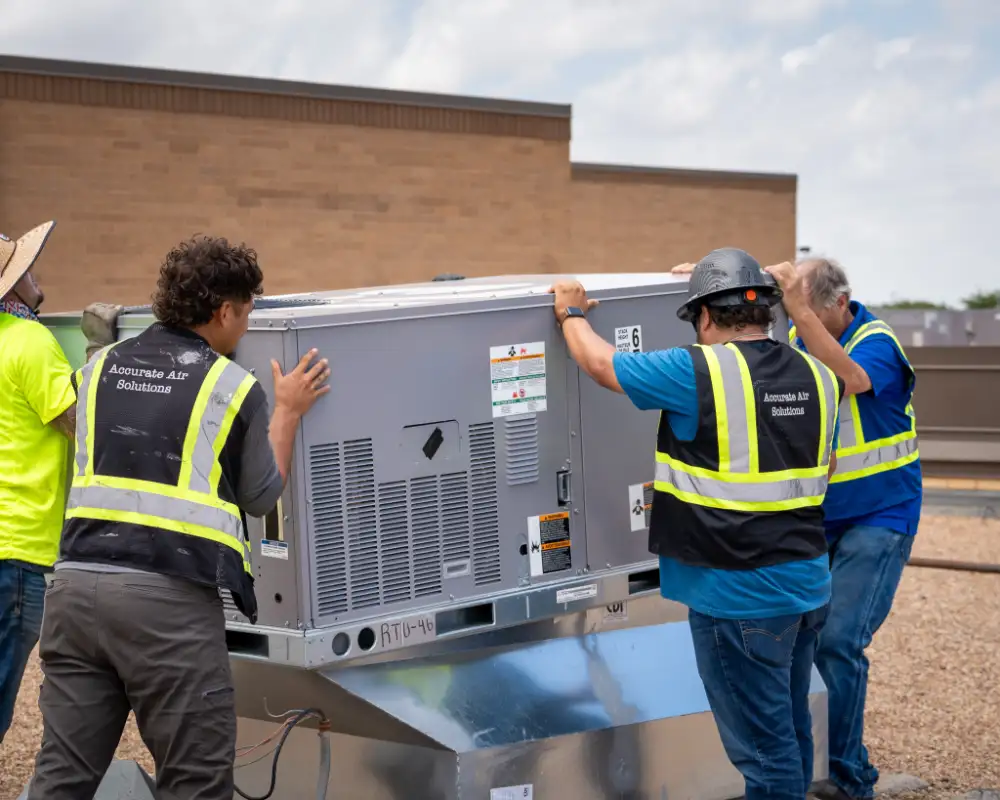
When a commercial AC not cooling properly issue occurs, it can quickly disrupt operations, affect employee productivity, and create an uncomfortable environment for customers. Commercial HVAC systems are designed to handle large spaces and demanding workloads, but even the most reliable units can develop problems over time. Understanding the most common causes behind cooling failures can help business owners and facility managers respond quickly and avoid costly downtime.
From mechanical failures to maintenance issues, several factors can prevent a commercial air conditioning system from delivering the consistent cooling that businesses depend on. By identifying these causes early and knowing when to call a professional, you can protect your investment and maintain a comfortable indoor environment.
Why commercial AC systems stop cooling properly
Commercial HVAC systems operate under heavy workloads, often running for extended hours throughout the year. Over time, wear and tear can affect components that are essential for proper cooling performance. When one or more of these components begin to fail, the entire system may struggle to maintain the desired temperature.
Several underlying issues commonly contribute to cooling problems, including mechanical failures, airflow restrictions, and system control issues. These problems can develop gradually or appear suddenly, depending on the system’s age, maintenance history, and usage patterns.
Some of the most common reasons commercial systems lose cooling efficiency include:
- Restricted airflow caused by dirty filters or blocked ducts
- Refrigerant leaks or incorrect refrigerant levels
- Faulty thermostats or control systems
- Dirty condenser or evaporator coils
- Worn or failing mechanical components such as compressors or fan motors
Even small issues can quickly escalate in a commercial environment where HVAC systems must maintain consistent temperatures across large spaces. When a system is not functioning correctly, it may run continuously while still failing to cool the building adequately, leading to higher energy bills and potential equipment damage.
Identifying the root cause of the issue early can help prevent larger and more expensive repairs down the road.
Common mechanical issues affecting commercial cooling
Commercial air conditioning systems contain many interconnected components that must work together to maintain proper cooling performance. When one component fails or operates inefficiently, the entire system can be affected.
Mechanical issues are among the most common reasons commercial cooling systems struggle to maintain indoor comfort.
Some frequent mechanical causes include:
- Compressor problems. The compressor circulates refrigerant through the system. If it begins to fail, the cooling capacity drops significantly.
- Fan motor failures. Both condenser and blower fans are essential for heat transfer and airflow. A failing fan motor can reduce cooling efficiency.
- Electrical component failures. Faulty capacitors, relays, or contactors can prevent the system from operating correctly.
- Blocked condensate lines. Water buildup can trigger safety shutoffs or cause system inefficiencies.
- Damaged ductwork. Leaks or blockages in commercial duct systems can cause cooled air to escape before reaching occupied spaces.
In many cases, mechanical issues worsen gradually over time. A compressor that struggles to start or a fan motor that begins to overheat may still operate temporarily before eventually failing completely.
Routine inspections and early intervention are key to preventing mechanical issues from shutting down your cooling system during critical times.
Dirty coils and airflow issues in commercial AC units
Airflow problems are one of the most frequent causes of commercial cooling failures. When air cannot move freely through the system, the AC unit cannot effectively remove heat from the building.
Two components play a critical role in this process: the evaporator coil and the condenser coil. Both must remain clean and unobstructed for the system to operate efficiently.
Common airflow problems include:
- Dirty or clogged air filters
- Dust and debris buildup on evaporator coils
- Outdoor condenser coils blocked by dirt, leaves, or debris
- Blocked return vents or supply registers
- Damaged or collapsed ductwork
When airflow becomes restricted, the system may begin to experience several symptoms:
- Uneven cooling throughout the building
- Increased energy consumption
- Ice forming on the evaporator coil
- Reduced cooling capacity
- System overheating
Commercial buildings generate large amounts of dust and airborne particles due to high foot traffic and continuous operation. Without regular cleaning and maintenance, these particles accumulate on coils and filters, gradually reducing system performance.
Refrigerant and thermostat problems in commercial systems
Refrigerant is essential for transferring heat from inside a building to the outdoors. If refrigerant levels become too low or if leaks develop, the system will struggle to maintain proper cooling.
Common refrigerant-related issues include:
- Refrigerant leaks in coils or line sets
- Incorrect refrigerant charge
- Damaged expansion valves
- Frozen evaporator coils caused by low refrigerant levels
Low refrigerant levels can cause the system to run longer cycles without effectively cooling the building. This not only increases energy costs but can also lead to compressor damage if the problem is left unresolved.
Thermostat issues can also contribute to cooling problems. Commercial buildings often rely on advanced control systems or programmable thermostats to regulate indoor temperatures across multiple zones.
Potential thermostat-related problems include:
- Incorrect thermostat settings
- Faulty sensors reading the wrong temperature
- Dead batteries or power issues
- Poor thermostat placement near heat sources or direct sunlight
- Communication errors in building automation systems
Because thermostats act as the control center of the HVAC system, even a minor malfunction can lead to inconsistent or insufficient cooling.
When to call for commercial AC repair
While some minor issues can be addressed through routine maintenance, many cooling problems require professional HVAC service. Commercial air conditioning systems are complex and often involve specialized equipment and safety considerations.
It is important to contact a professional technician if you notice any of the following signs:
- The system runs continuously but fails to cool the building
- Sudden increases in energy bills without increased usage
- Unusual noises such as grinding, buzzing, or rattling
- Warm air blowing from vents
- Frequent system cycling on and off
- Ice buildup on coils or refrigerant lines
- Water leaks near indoor equipment
Delaying repairs can allow minor problems to grow into more serious mechanical failures. For example, a refrigerant leak that goes unaddressed can eventually damage the compressor, leading to much higher repair costs.
Professional technicians can perform comprehensive diagnostics to identify the root cause of the issue and recommend the most effective solution.
In addition to repairs, HVAC professionals can evaluate system performance and identify opportunities to improve energy efficiency and extend equipment lifespan.
Preventing cooling failures with routine maintenance
The most effective way to avoid commercial cooling failures is through routine preventative maintenance. Regular inspections allow technicians to identify potential problems before they develop into major issues.
Preventative maintenance programs typically include:
- Cleaning evaporator and condenser coils
- Replacing or cleaning air filters
- Checking refrigerant levels and inspecting for leaks
- Inspecting electrical components and connections
- Testing thermostat accuracy and control systems
- Clearing condensate drains
- Lubricating moving components
- Evaluating system airflow and duct performance
Routine maintenance provides several important benefits:
- Improved cooling efficiency
- Lower energy costs
- Reduced risk of unexpected breakdowns
- Longer equipment lifespan
- Better indoor air quality
For commercial properties that depend heavily on consistent cooling, scheduled maintenance can be one of the most cost-effective investments in long-term system performance.
Frequently Asked Questions
Why is my commercial AC running but not cooling?
A commercial AC system may run without cooling due to low refrigerant levels, dirty coils, restricted airflow, thermostat malfunctions, or failing mechanical components. A professional inspection is often necessary to determine the exact cause.
How often should commercial HVAC systems be serviced?
Most commercial HVAC systems should be professionally serviced at least twice per year. Facilities with heavy usage may benefit from quarterly maintenance to ensure optimal performance and prevent breakdowns.
Can dirty air filters cause a commercial AC system to stop cooling?
Yes. Dirty or clogged air filters restrict airflow, which prevents the system from effectively removing heat from the building. This can significantly reduce cooling performance and increase energy consumption.
What are the warning signs of a failing commercial AC compressor?
Signs of compressor failure may include loud or unusual noises, difficulty starting the system, warm air from vents, reduced cooling capacity, or frequent system shutdowns.
Is it better to repair or replace a commercial AC unit?
The decision depends on several factors including the age of the system, the cost of repairs, and the overall efficiency of the equipment. An HVAC professional can evaluate your system and recommend the best solution.
Reliable Commercial HVAC Service in Texas
When your commercial AC system stops cooling properly, fast and reliable service is essential to protect your business operations and maintain a comfortable environment.
At Accurate Air Solutions, LLC, we understand that comfort cannot wait, and neither should you. That is why we provide dependable 24/7 HVAC/R, electrical, and plumbing services across Texas. With a strong presence in Abilene, Brownwood, San Angelo, Lubbock, and Galveston, our experienced team is ready to respond whenever your home or business needs help.
Whether you are dealing with the intense heat of a Texas summer, an unexpected plumbing emergency in the middle of the night, or electrical issues that disrupt daily operations, our skilled technicians deliver expert craftsmanship and reliable solutions tailored to your needs and budget.
From residential service calls to large-scale commercial HVAC projects, Accurate Air Solutions, LLC is your trusted partner for comfort, efficiency, and peace of mind.
If your commercial AC is not cooling properly, do not wait for the problem to get worse. Contact our team today to schedule expert service and get your system running smoothly again.

