


How Can You Improve Commercial HVAC Energy Efficiency?
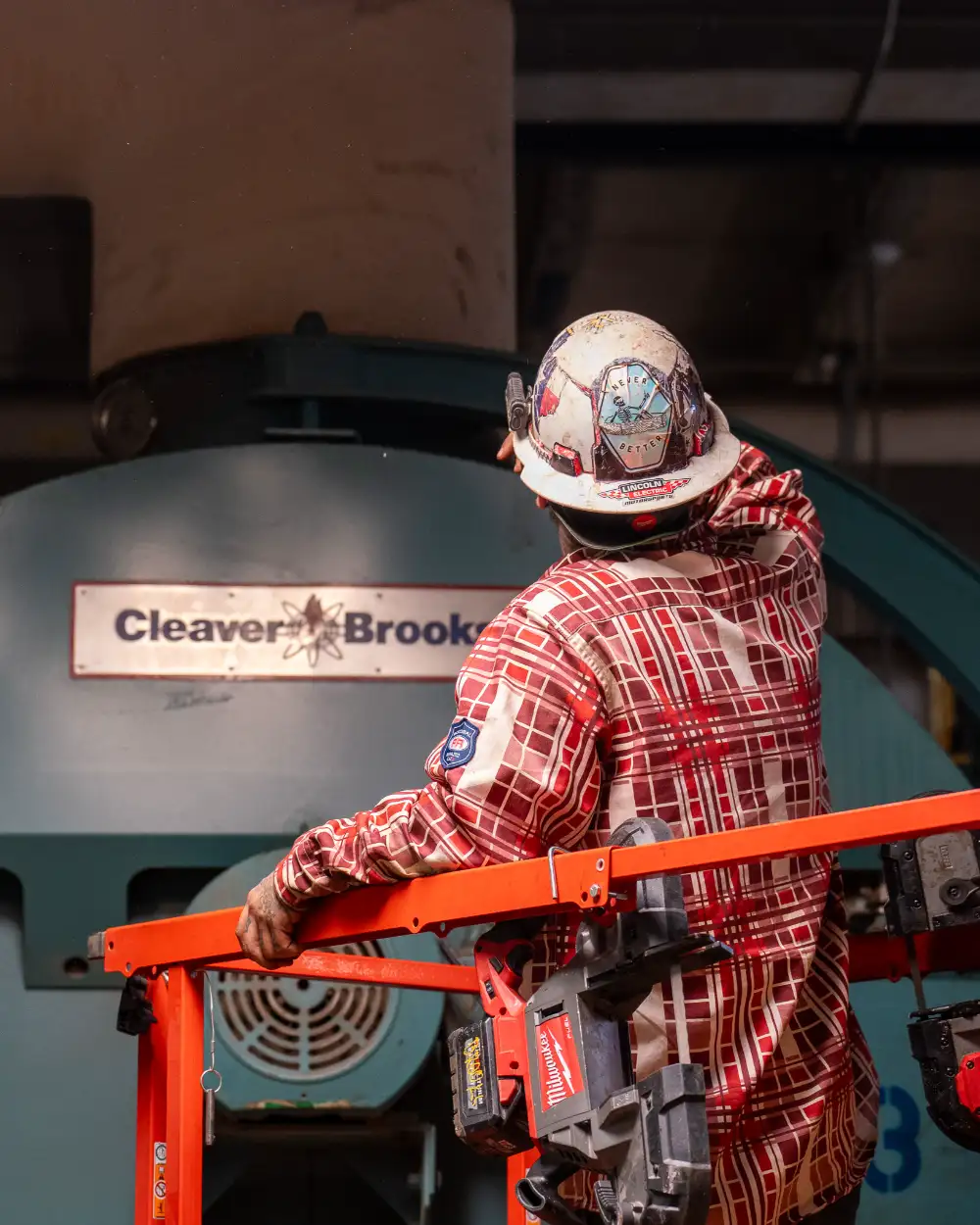
Heating, ventilation, and air conditioning systems are among the largest energy consumers in commercial buildings. For many businesses, HVAC equipment accounts for a significant portion of monthly operating costs. Improving system performance can reduce energy bills, extend equipment lifespan, and create a more comfortable environment for employees and customers. Many facility managers search for reliable commercial HVAC energy efficiency tips because even small improvements can translate into meaningful long-term savings.
Improving HVAC performance does not always require replacing the entire system. Businesses can achieve significant gains through proper maintenance, strategic upgrades, and smarter day-to-day operation. The key is understanding where energy is lost and implementing practical steps that optimize the system’s performance without disrupting business operations.
Below are proven strategies businesses can use to improve commercial HVAC energy efficiency while maintaining reliable climate control.
How to Improve Commercial HVAC Energy Efficiency
Improving HVAC efficiency in commercial facilities begins with understanding how the system operates and where inefficiencies occur. Older equipment, neglected maintenance, and poor operational habits often cause HVAC systems to work harder than necessary. Addressing these issues can lead to measurable improvements in energy performance.
Some of the most effective strategies include:
- Regular inspection and servicing of HVAC components
- Upgrading outdated equipment with energy-efficient technology
- Optimizing airflow and ventilation throughout the building
- Improving building insulation and sealing air leaks
- Using programmable or smart thermostats to regulate temperatures
- Monitoring system performance through building automation systems
Commercial HVAC systems are complex networks that include compressors, fans, ductwork, thermostats, and electrical components. If even one part of this network operates inefficiently, it can increase the energy demand of the entire system. Regular evaluations allow facility managers to detect issues early and make adjustments that improve overall performance.
Businesses should also consider conducting periodic energy audits. These audits identify inefficiencies in heating and cooling systems and provide clear recommendations for improvement. By combining audits with maintenance and system upgrades, businesses can significantly reduce energy consumption without sacrificing indoor comfort.
Maintenance Strategies That Reduce HVAC Energy Use
Routine maintenance is one of the most cost-effective ways to reduce HVAC energy consumption. When systems are well-maintained, they operate closer to their intended efficiency levels and experience fewer unexpected failures.
Proper maintenance ensures that airflow remains unobstructed, components stay clean, and mechanical parts operate smoothly. Even minor issues such as clogged filters or dirty coils can force HVAC equipment to run longer cycles, consuming more electricity in the process.
Energy-Efficient Maintenance for Commercial HVAC Systems
Energy-efficient maintenance focuses on tasks that directly influence system performance and energy consumption. These activities help HVAC equipment operate more efficiently while reducing strain on critical components.
Key maintenance practices include:
- Replacing or cleaning air filters regularly
Dirty filters restrict airflow and force the system to work harder to maintain desired temperatures. - Cleaning condenser and evaporator coils
Dirt buildup reduces heat transfer efficiency and increases energy consumption. - Inspecting and sealing ductwork
Leaky ducts can waste a significant portion of conditioned air before it reaches occupied spaces. - Checking refrigerant levels
Incorrect refrigerant levels can reduce cooling efficiency and damage compressors. - Lubricating moving parts
Proper lubrication reduces friction and prevents excessive energy use from mechanical resistance. - Inspecting electrical connections
Loose or damaged electrical components can lead to inefficient system operation or safety risks.
Routine maintenance not only improves efficiency but also helps avoid costly emergency repairs. Businesses that schedule regular service appointments often experience fewer breakdowns and more consistent indoor climate control.
Upgrading Components to Improve HVAC Efficiency
While maintenance is essential, upgrading key components can dramatically improve system efficiency, especially in older commercial buildings. Technology advancements have introduced more energy-efficient HVAC solutions that reduce energy consumption while delivering better performance.
Some of the most beneficial upgrades include:
- High-efficiency compressors
Modern compressors use advanced designs that reduce energy use during cooling cycles. - Variable speed motors
These motors adjust airflow based on demand rather than running at full power constantly. - Smart thermostats and building automation systems
These technologies allow facility managers to control temperatures more precisely and reduce energy use during unoccupied hours. - Energy recovery ventilation systems
These systems capture energy from exhaust air and use it to precondition incoming air. - Improved insulation and duct sealing
Preventing conditioned air from escaping ensures the HVAC system does not need to compensate for energy losses.
Upgrading equipment may require an initial investment, but the long-term savings can be substantial. Businesses often see reduced utility costs and fewer maintenance issues after installing modern HVAC technology.
In addition, energy-efficient upgrades may qualify for rebates, tax incentives, or utility programs designed to encourage sustainable building practices.
How Preventive Maintenance Supports Energy Savings
Preventive maintenance focuses on addressing potential problems before they develop into major system failures. This proactive approach not only protects HVAC equipment but also ensures that systems operate at peak efficiency year-round.
Preventive maintenance typically includes scheduled inspections, performance testing, and minor adjustments. These tasks help technicians identify worn components, airflow restrictions, or calibration issues that could increase energy consumption.
Benefits of preventive maintenance include:
- Lower energy consumption
- Reduced risk of system breakdowns
- Extended equipment lifespan
- Improved indoor air quality
- Consistent temperature control throughout the building
For commercial facilities, preventive maintenance programs are especially valuable because HVAC downtime can disrupt business operations. Regular service visits help ensure that systems remain reliable even during peak seasonal demand.
Many businesses choose to partner with professional HVAC service providers who offer maintenance agreements. These programs provide scheduled inspections and priority service, helping businesses maintain efficiency without needing to track every maintenance task internally.
Operational Changes That Improve HVAC Performance
Beyond maintenance and equipment upgrades, day-to-day operational practices also play a major role in HVAC efficiency. Small changes in how systems are used can significantly reduce energy consumption over time.
Businesses can improve operational efficiency by implementing the following strategies:
- Optimize thermostat settings
Adjusting temperatures slightly during off-hours can reduce energy use without affecting comfort. - Use programmable schedules
HVAC systems should operate according to building occupancy rather than running continuously. - Reduce unnecessary heating and cooling zones
Areas that are rarely used may not require the same level of climate control as occupied spaces. - Improve building insulation
Better insulation reduces the workload on HVAC equipment. - Ensure proper ventilation balance
Balanced airflow prevents over-conditioning certain areas while leaving others uncomfortable.
Building automation systems can help facility managers monitor HVAC performance in real time. These systems collect data on temperature patterns, energy consumption, and equipment performance, allowing managers to make informed adjustments.
Employee awareness also plays a role in HVAC efficiency. Encouraging employees to keep doors and windows closed in climate-controlled areas helps prevent energy waste.
By combining operational improvements with maintenance and system upgrades, businesses can achieve meaningful improvements in HVAC performance and cost savings.
Frequently Asked Questions
Why is commercial HVAC energy efficiency important?
Commercial HVAC systems consume a large portion of a building’s total energy usage. Improving efficiency reduces operating costs, lowers environmental impact, and helps businesses maintain comfortable indoor environments.
How often should commercial HVAC systems be serviced?
Most commercial HVAC systems should be professionally inspected and serviced at least twice per year. Spring and fall maintenance visits prepare systems for peak cooling and heating seasons.
What are the signs that an HVAC system is operating inefficiently?
Common signs include rising energy bills, uneven temperatures throughout the building, unusual noises, frequent cycling, or poor airflow from vents.
Can upgrading HVAC equipment really reduce energy costs?
Yes. Modern HVAC systems are significantly more energy-efficient than older models. Upgrading components such as compressors, motors, and control systems can reduce energy consumption and improve overall system performance.
Do smart thermostats help improve HVAC efficiency?
Smart thermostats help optimize temperature control and reduce unnecessary heating or cooling during unoccupied hours. This can lead to noticeable energy savings over time.
Partner with Accurate Air Solutions, LLC for Reliable HVAC Services
Improving HVAC efficiency requires the right expertise, reliable service, and a commitment to long-term performance. That is where Accurate Air Solutions, LLC makes a difference.
At Accurate Air Solutions, LLC, we understand that comfort cannot wait, and neither should you. We proudly provide reliable 24/7 HVAC/R, electrical, and plumbing services across Texas, serving communities including Abilene, Brownwood, San Angelo, Lubbock, and Galveston.
Whether you are managing a commercial facility that needs improved HVAC efficiency or dealing with an unexpected system issue, our experienced team is ready to help. We deliver expert craftsmanship, responsive service, and customized solutions designed to meet your needs and your budget.
From routine maintenance and energy-efficient upgrades to emergency repairs and large-scale commercial projects, Accurate Air Solutions, LLC is your trusted partner for dependable service and long-term performance.
Contact us to schedule service or learn how our experts can help keep your home or business running smoothly with reliable HVAC, electrical, and plumbing solutions.

