


How Often Should Commercial HVAC Systems Be Serviced?
For business owners and facility managers, few systems are as critical to daily operations as commercial heating, ventilation, and air conditioning. A well-maintained HVAC system keeps employees productive, customers comfortable, and equipment operating within safe temperature ranges. One of the most common questions decision makers ask is how often should commercial HVAC be serviced to balance cost, efficiency, and reliability. The answer depends on several variables, including building size, how the space is used, and the type of equipment installed. Understanding these factors helps businesses plan maintenance schedules that reduce breakdowns, extend system life, and control long-term operating expenses.
Commercial HVAC systems are far more complex than residential units. They run longer hours, serve larger spaces, and must meet stricter indoor air quality and safety standards. Regular service is not just a recommendation. It is a core part of responsible facility management. Below, we break down recommended service frequencies, key factors that influence maintenance needs, and the real risks of skipping scheduled HVAC care.
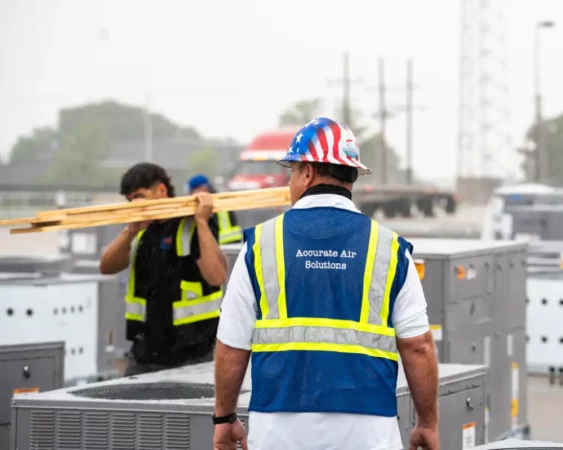
How Often Should Commercial HVAC Systems Be Serviced Each Year?
In general, most commercial HVAC systems should be professionally serviced at least two times per year. These visits are typically scheduled in the spring before cooling season and in the fall before heating season. This baseline ensures that the system is prepared for peak demand periods and allows technicians to identify minor issues before they escalate.
For many businesses, twice-yearly service is the minimum. Some facilities require more frequent attention due to heavier use, specialized equipment, or regulatory requirements. A proactive service schedule often includes a mix of comprehensive inspections and lighter checkups spread throughout the year.
Typical annual service expectations include:
- Two full system inspections and tune-ups
- Filter changes based on usage and air quality needs
- Electrical and control testing
- Refrigerant level checks and leak detection
- Cleaning of coils, drains, and air handling components
While this general guidance applies to many buildings, it is important to customize the schedule based on your specific operation. A small office building has very different demands compared to a hospital, manufacturing plant, or large retail space.
Recommended Service Intervals for Commercial HVAC Equipment
Different HVAC components experience wear at different rates. Understanding recommended service intervals by equipment type helps ensure no part of the system is overlooked.
Common service interval guidelines include:
- Rooftop units: Inspected quarterly with full service twice per year
- Split systems: Semiannual maintenance with more frequent filter changes
- Boilers: Annual inspections with additional checks during heavy heating use
- Chillers: Quarterly inspections and annual comprehensive service
- Cooling towers: Monthly checks during operating season and seasonal shutdown service
- Air handlers and VAV boxes: Inspected one to two times per year, depending on use
High-value or mission-critical equipment often benefits from a preventative maintenance agreement that includes scheduled visits throughout the year. This approach spreads costs more evenly and reduces the likelihood of emergency repairs.
Factors That Affect Commercial HVAC Service Frequency
There is no one-size-fits-all answer for commercial HVAC maintenance. Several factors influence how often service should be performed and how detailed each visit needs to be.
Building Size and Layout
Larger buildings generally require more frequent HVAC service. More square footage means more ductwork, more zones, and more components that can develop issues. Multi-story buildings or campuses with multiple units often need staggered maintenance schedules to keep everything operating smoothly.
Complex layouts with varying occupancy levels can also strain HVAC systems. Areas with high heat loads, such as server rooms or kitchens, may need more frequent inspections and adjustments.
Usage and Occupancy Patterns
How a building is used plays a major role in service frequency. HVAC systems in spaces that operate around the clock experience significantly more wear than systems that run only during standard business hours.
Examples of high-demand usage include:
- Hospitals and healthcare facilities
- Hotels and hospitality spaces
- Data centers
- Manufacturing and industrial facilities
- Restaurants and commercial kitchens
Even within office environments, high occupant density increases the load on HVAC systems and affects indoor air quality. More people generate more heat, moisture, and airborne particles, all of which increase maintenance needs.
Equipment Type and Age
Newer HVAC systems with modern controls and high-efficiency components often require fewer repairs but still need regular inspections to maintain warranty coverage and performance. Older systems typically need more frequent service due to aging parts and reduced efficiency.
Specialized equipment such as variable refrigerant flow systems or integrated building automation systems may require technicians with specific training and more detailed monitoring.
Environmental Conditions
Local climate and environmental conditions have a direct impact on HVAC maintenance needs. In Texas, extreme heat, dust, humidity, and coastal salt air can all accelerate wear on HVAC components.
Buildings in areas with:
- High dust or pollen levels
- Coastal exposure
- Heavy seasonal temperature swings
often benefit from more frequent filter changes, coil cleaning, and corrosion prevention measures.
Seasonal Commercial HVAC Maintenance Best Practices
Seasonal maintenance is one of the most effective ways to prevent system failures and maintain energy efficiency. Each season presents different challenges and priorities for commercial HVAC systems.
Spring and early summer maintenance focuses on cooling performance. Best practices include:
- Cleaning condenser and evaporator coils
- Checking refrigerant levels
- Testing compressors and fan motors
- Verifying thermostat calibration
- Inspecting condensate drains
Fall maintenance prepares systems for heating season. Key tasks include:
- Inspecting heat exchangers
- Testing ignition systems and burners
- Checking gas or electrical connections
- Verifying safety controls
- Cleaning and adjusting airflow components
In addition to these seasonal visits, many businesses schedule mid-season checkups to ensure systems are performing as expected during peak demand.
Risks of Skipping Regular Commercial HVAC Maintenance
Delaying or skipping HVAC maintenance may seem like a way to save money in the short term, but it almost always leads to higher costs and greater risk over time. Commercial HVAC systems are significant investments, and neglecting them can have serious consequences.
Increased Risk of System Failure
Small issues such as dirty coils, loose electrical connections, or low refrigerant levels can quickly turn into major failures if left unaddressed. Unexpected breakdowns often occur during extreme weather when systems are under the greatest stress.
Emergency repairs are typically more expensive and disruptive than scheduled maintenance. They may also result in extended downtime while parts are sourced or specialized technicians are dispatched.
Higher Energy Costs
Poorly maintained HVAC systems consume more energy to deliver the same level of comfort. Dirty filters, clogged coils, and miscalibrated controls all reduce efficiency.
Common causes of increased energy use include:
- Restricted airflow
- Improper refrigerant charge
- Worn belts and bearings
- Faulty sensors and controls
Over time, higher utility bills can easily exceed the cost of regular maintenance.
Shortened Equipment Lifespan
Commercial HVAC systems are designed to last many years, but only when properly maintained. Skipping service accelerates wear on critical components and can shorten equipment life by several years.
Replacing a rooftop unit, chiller, or boiler prematurely is a major capital expense that can often be avoided with consistent preventative care.
Poor Indoor Air Quality
HVAC systems play a central role in maintaining indoor air quality. Dirty filters, mold growth, and poorly maintained ductwork can lead to unhealthy conditions for occupants.
Potential consequences include:
- Increased employee sick days
- Customer discomfort or complaints
- Aggravation of allergies or respiratory issues
- Compliance issues in regulated industries
When More Frequent Commercial HVAC Service Is Required
Some situations call for more frequent HVAC service than the standard twice-per-year schedule. Recognizing these conditions helps businesses avoid unexpected problems.
More frequent service may be needed when:
- The building operates 24 hours per day
- Equipment serves critical processes or sensitive environments
- The facility experiences frequent comfort complaints
- Systems are older or nearing the end of their expected lifespan
- Recent renovations or occupancy changes have increased HVAC load
In these cases, monthly or quarterly inspections can provide valuable insight into system performance and prevent costly disruptions.
Planning an Effective Commercial HVAC Maintenance Schedule
The most effective HVAC maintenance plans are proactive and customized. Rather than reacting to problems, businesses that invest in preventative care benefit from greater reliability, predictable costs, and improved comfort.
When planning a maintenance schedule, consider:
- Equipment manufacturer recommendations
- Building usage patterns
- Local climate conditions
- Budget planning and long-term goals
- Regulatory or warranty requirements
Partnering with a qualified commercial HVAC provider ensures that maintenance tasks are performed correctly and documented properly. This documentation can be valuable for compliance, resale, or insurance purposes.
Contact Us Today
Understanding how often commercial HVAC systems should be serviced is a critical step in protecting your investment and ensuring reliable performance year-round. While most systems require at least two professional service visits per year, factors such as building size, usage, equipment type, and environmental conditions may justify more frequent maintenance. Regular service reduces energy costs, extends equipment life, improves indoor air quality, and minimizes the risk of costly breakdowns.
At Accurate Air Solutions, LLC, we understand that comfort can’t wait, and neither should you. That’s why we offer reliable, 24/7 HVAC/R, electrical, and plumbing services across Texas, with a strong presence in Abilene, Brownwood, San Angelo, Lubbock, and Galveston areas. Our mission is to keep homes and businesses running smoothly by delivering expert craftsmanship, round-the-clock availability, and customized solutions that fit your needs and your budget. Whether you’re battling the relentless heat of a Texas summer, facing an unexpected plumbing emergency in the middle of the night, or troubleshooting electrical issues that disrupt your home or business, we’re the dependable team that’s always ready to help. From residential fixes to large-scale commercial projects, Accurate Air Solutions, LLC is your go-to partner for comfort, efficiency, and peace of mind. To learn more or schedule service, contact us today.

