


Commercial Refrigeration Maintenance: How Often Should It Be Done?
Commercial refrigeration maintenance is one of the most important yet frequently overlooked responsibilities for business owners who rely on refrigeration to protect products, meet health regulations, and maintain daily operations. From restaurants and grocery stores to hospitals, convenience stores, and warehouses, refrigeration systems are the backbone of safe storage and operational continuity. When these systems fail, the consequences can include spoiled inventory, unexpected downtime, lost revenue, and even regulatory violations. Understanding how often maintenance should be performed and what that maintenance includes empowers business owners to make proactive decisions that save money and extend equipment life.
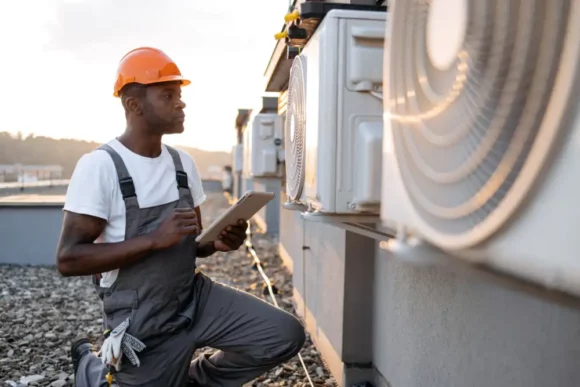
Why Commercial Refrigeration Maintenance is Critical
Commercial refrigeration systems operate around the clock, often under heavy loads and in demanding environments. Unlike residential units, these systems must maintain consistent temperatures despite frequent door openings, varying product loads, and sometimes extreme ambient conditions. Over time, even minor inefficiencies can escalate into major failures if they are not addressed early.
Regular maintenance helps prevent spoilage by ensuring that refrigeration units consistently hold safe temperatures. Food safety regulations require strict temperature control, and even brief deviations can result in product loss or health risks. For businesses that store pharmaceuticals, medical supplies, or temperature-sensitive chemicals, the stakes are even higher.
Maintenance is also essential for protecting your investment. Commercial refrigeration systems represent a high upfront cost, and replacing them prematurely due to neglect is expensive. Routine inspections, cleaning, and adjustments reduce wear and tear on components like compressors, evaporator coils, condenser fans, and thermostats. This proactive approach minimizes emergency breakdowns and extends the usable lifespan of your equipment.
Another critical factor is reliability. Unexpected refrigeration failures often occur at the worst possible times, such as during peak business hours, holidays, or overnight when staffing is limited. Preventive maintenance reduces the likelihood of sudden outages and allows service to be scheduled during planned downtime rather than in crisis mode.
Finally, regular service supports regulatory compliance and documentation. Health inspectors and regulatory agencies may request maintenance records, especially for food service and healthcare operations. Keeping detailed service logs demonstrates due diligence and commitment to safety standards.
How Often Commercial Refrigeration Maintenance Should Be Performed
The ideal maintenance schedule depends on several factors, including the type of equipment, usage patterns, operating environment, and manufacturer recommendations. However, most commercial refrigeration systems benefit from a layered maintenance approach that combines daily, monthly, quarterly, and annual tasks.
Daily and weekly checks are typically handled by on-site staff. These quick inspections help identify obvious issues early and ensure the system is operating as expected. Monthly tasks may involve light cleaning and visual inspections, while quarterly and annual maintenance should be performed by licensed professionals with the tools and expertise to service complex components.
In general, most businesses should schedule professional commercial refrigeration maintenance at least two to four times per year. High-use environments such as restaurants, grocery stores, and food processing facilities often benefit from quarterly service. Lower demand applications, such as storage facilities or specialty retail, may be adequately served with semiannual maintenance, supplemented by routine in-house checks.
Environmental factors also play a role. Units operating in dusty, greasy, or humid environments require more frequent cleaning and inspection. Coastal areas, for example, may experience corrosion issues that demand closer attention. Texas businesses face additional challenges from high heat and long cooling seasons, which place continuous strain on refrigeration systems.
Manufacturer guidelines should always be followed, as failing to adhere to recommended maintenance intervals can void warranties. A professional HVAC R contractor can help customize a maintenance plan based on your specific equipment and operational needs.
What’s Included in Professional Refrigeration Maintenance
Professional refrigeration maintenance goes far beyond a quick visual inspection. A comprehensive service visit addresses both performance and safety, ensuring that every major component is functioning efficiently and reliably.
Technicians begin by evaluating system operation, checking temperature accuracy, and confirming that controls and sensors are calibrated correctly. Electrical connections are inspected for signs of wear, corrosion, or overheating. Refrigerant levels are measured and adjusted as needed, and technicians look for leaks that could compromise performance or violate environmental regulations.
Cleaning is another major component of professional maintenance. Dirty condenser coils are one of the most common causes of refrigeration inefficiency and failure. When coils are clogged with dust, grease, or debris, the system must work harder to reject heat, increasing energy consumption and stress on the compressor. Professional cleaning restores proper airflow and heat transfer.
Additional tasks often include lubricating moving parts, tightening belts and fasteners, inspecting fan motors, and testing safety controls. Drain lines are cleared to prevent water backups and ice buildup, and door seals or gaskets are checked for leaks that allow cold air to escape.
Preventive Maintenance Tasks for Commercial Refrigeration Systems
Preventive maintenance focuses on identifying and resolving small issues before they become costly problems. Key tasks typically include:
- Inspecting and cleaning condenser and evaporator coils to maintain efficient heat exchange
- Checking refrigerant pressure and temperature to ensure proper charge levels
- Testing thermostats, sensors, and control boards for accurate operation
- Inspecting compressors, fans, and motors for abnormal noise or vibration
- Cleaning and clearing condensate drains to prevent water damage and ice formation
- Inspecting door gaskets and seals for cracks, gaps, or air leaks
- Verifying electrical connections and safety switches
These tasks help maintain consistent temperatures, reduce strain on components, and prevent unexpected breakdowns that disrupt operations.
Warning Signs Your Refrigeration System Needs Service
Even with a regular maintenance schedule, it is important to recognize early warning signs that indicate your refrigeration system may need immediate service. Ignoring these signals can lead to product loss and equipment damage.
Common warning signs include fluctuating temperatures, longer run times, or difficulty maintaining set points. Unusual noises such as grinding, buzzing, or rattling often indicate mechanical or electrical issues. Excessive frost or ice buildup on coils or inside the unit can signal airflow problems, refrigerant issues, or faulty defrost systems.
Other red flags include water pooling around the unit, frequent cycling on and off, tripped breakers, or sudden spikes in energy bills. Any noticeable change in performance should prompt a service call, especially if the system supports critical inventory.
How Maintenance Improves Energy Efficiency and Compliance
Energy efficiency is a major concern for businesses operating commercial refrigeration equipment, as these systems are among the largest energy consumers in many facilities. Poorly maintained units require more power to achieve the same cooling output, driving up utility costs month after month.
Routine maintenance improves efficiency by keeping components clean, calibrated, and operating within design specifications. Clean coils allow heat to dissipate more effectively, reducing compressor workload. Proper refrigerant levels ensure optimal heat transfer, while well-sealed doors prevent cold air loss. Together, these factors reduce energy consumption and lower operating costs.
Maintenance also supports compliance with health, safety, and environmental regulations. Food safety standards require reliable temperature control, and documentation of regular maintenance helps demonstrate compliance during inspections. Refrigerant management is another critical area, as leaks can violate environmental regulations and result in fines. Professional technicians are trained to handle refrigerants responsibly and ensure systems meet regulatory requirements.
In addition, many equipment warranties and insurance policies require proof of regular maintenance. Skipping service can jeopardize coverage and leave businesses financially exposed in the event of a major failure.
Building a Proactive Maintenance Strategy
A proactive approach to commercial refrigeration maintenance combines scheduled professional service with daily awareness and staff training. Employees should understand the importance of temperature monitoring, cleanliness, and reporting unusual behavior promptly. Simple habits such as keeping doors closed, avoiding overloading units, and cleaning spills can support overall system health.
Partnering with a reliable service provider is equally important. An experienced HVAC R contractor can track service history, anticipate component wear, and recommend upgrades or replacements before failures occur. This strategic approach transforms maintenance from a reactive expense into a predictable investment that supports long-term business stability.
Partner with Accurate Air Solutions, LLC
When it comes to protecting your commercial refrigeration systems, having a dependable service partner makes all the difference. At Accurate Air Solutions, LLC, we understand that comfort cannot wait, and neither should you. That is why we provide reliable, 24/7 HVAC R, electrical, and plumbing services across Texas, with a strong presence in Abilene, Brownwood, San Angelo, Lubbock, and Galveston areas. Our experienced technicians deliver expert craftsmanship, round-the-clock availability, and customized solutions designed to fit your needs and your budget. Whether you are managing a restaurant, retail space, healthcare facility, or industrial operation, proactive refrigeration maintenance helps prevent spoilage, reduce downtime, and extend equipment life. From residential fixes to large-scale commercial projects, Accurate Air Solutions, LLC is your trusted partner for comfort, efficiency, and peace of mind. Contact us today to schedule service or learn more about how our maintenance programs can keep your business running smoothly.

