


How Much Does Commercial HVAC Repair Cost?
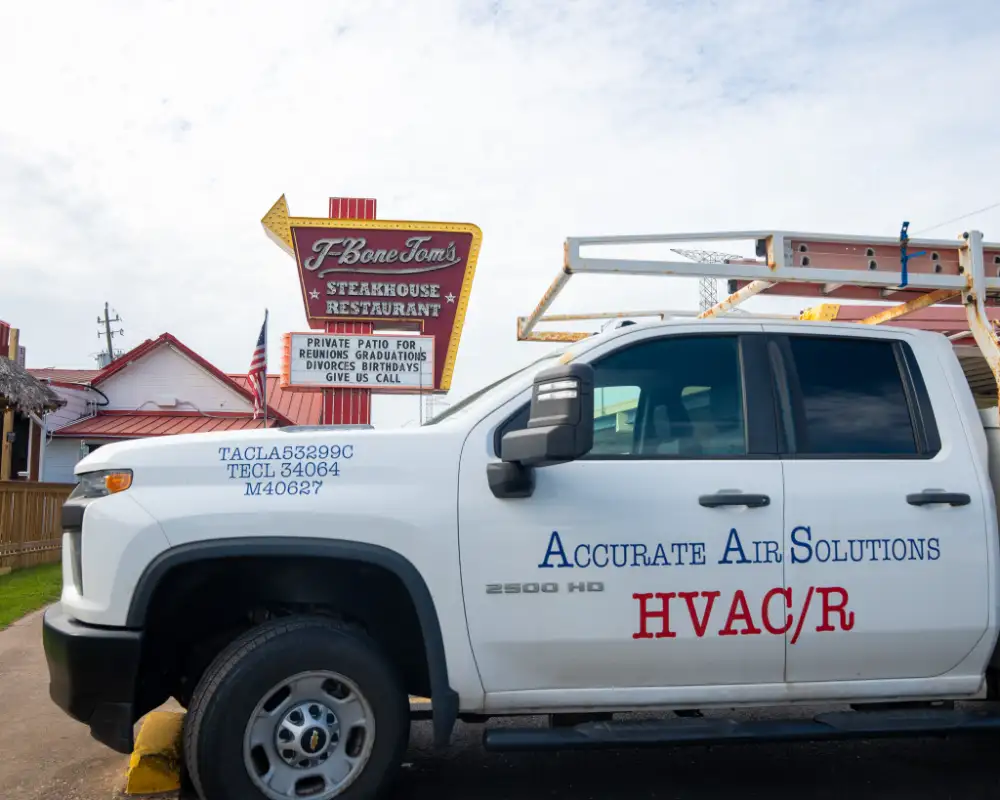
If you are trying to budget for a service call, the first question is usually straightforward: how much does commercial HVAC repair cost? The honest answer is that it depends on the type of system, the severity of the problem, the parts required, the accessibility of the equipment, and whether the repair is needed during regular business hours or as an emergency call. Commercial HVAC systems are larger, more complex, and more heavily used than residential systems, so repair pricing can vary widely from one job to the next across Abilene, Lubbock, Brownwood, and throughout Texas.
For most businesses, HVAC is not just about comfort. It affects employee productivity, customer experience, equipment protection, indoor air quality, refrigeration needs, and in some industries, regulatory compliance. A retail store, restaurant, office building, medical facility, warehouse, or multi-unit commercial property may all rely on HVAC equipment in very different ways. Understanding the factors behind repair costs helps you make better decisions, avoid surprise expenses, and know when it is time to repair, maintain, or replace your system entirely.
Average Commercial HVAC Repair Cost: What to Expect
Commercial HVAC repair costs can range from a few hundred dollars for a minor issue to several thousand dollars for more complex problems. A simple thermostat malfunction, clogged drain line, loose electrical connection, or minor belt replacement typically sits at the lower end of the range. Repairs involving compressors, motors, refrigerant leaks, control boards, rooftop units, or extensive electrical troubleshooting tend to be significantly more expensive.
According to the U.S. Department of Energy, commercial HVAC systems account for a substantial portion of a building’s total energy use, which makes keeping them in good working order both an operational and financial priority.
In general, commercial HVAC repair pricing may include:
- Diagnostic or service call fee
- Labor charges based on time and complexity
- Replacement parts and materials
- Refrigerant, if a recharge is needed
- Emergency or after-hours service fees
- Equipment access costs such as rooftop lift or crane
- Additional electrical, plumbing, or refrigeration work when applicable
Because commercial systems vary so much in size and design, there is no universal price list. A small office with a single packaged rooftop unit will typically have different repair needs and costs than a restaurant with HVAC/R equipment, walk-in coolers, exhaust systems, and multiple zones.
Commercial HVAC Repair Cost by Common Issue
To give you a clearer picture of where costs typically fall, here is a general breakdown by repair type. These are broad ranges and actual costs depend on your specific system, location, and service provider.
| Repair Type | Complexity | Notes |
|---|---|---|
| Thermostat or controls | Low to moderate | Higher if building automation or zoning is involved |
| Capacitor or contactor | Low | Common repair, parts are generally affordable |
| Drain line or condensate pump | Low to moderate | Can escalate if water damage has already occurred |
| Refrigerant leak repair and recharge | Moderate to high | R-22 systems cost significantly more due to refrigerant availability |
| Fan or blower motor | Moderate to high | Depends on motor size, horsepower, and parts availability |
| Evaporator or condenser coil | High | Labor-intensive; may warrant replacement evaluation on older units |
| Compressor replacement | Very high | Often triggers repair vs. replace discussion on aging systems |
| Control board failure | High | Parts can be hard to find on older commercial equipment |
| Electrical troubleshooting | Moderate to high | Complexity increases if multiple components are affected |
Why Commercial HVAC Repairs Cost More Than Residential Repairs
Commercial HVAC systems are built to serve larger spaces, run for longer hours, and handle heavier heating and cooling demands. This added complexity almost always makes repairs more involved and more expensive than comparable residential HVAC work.
Several factors drive higher commercial repair costs:
- Larger equipment with bigger compressors, motors, fans, and coils that cost more to source and replace
- More complex controls including advanced thermostats, zoning systems, building automation, sensors, and control boards
- Rooftop or difficult access that may require ladders, lifts, cranes, or additional safety precautions
- Multiple system components across a single property serving different zones or areas
- Business interruption pressure that requires faster diagnosis and turnaround
- Specialized HVAC/R equipment including refrigeration systems and ventilation that require trained commercial technicians
The higher cost reflects not just the parts themselves but the expertise, tools, safety requirements, and time needed to properly diagnose and repair the system without disrupting your operations.
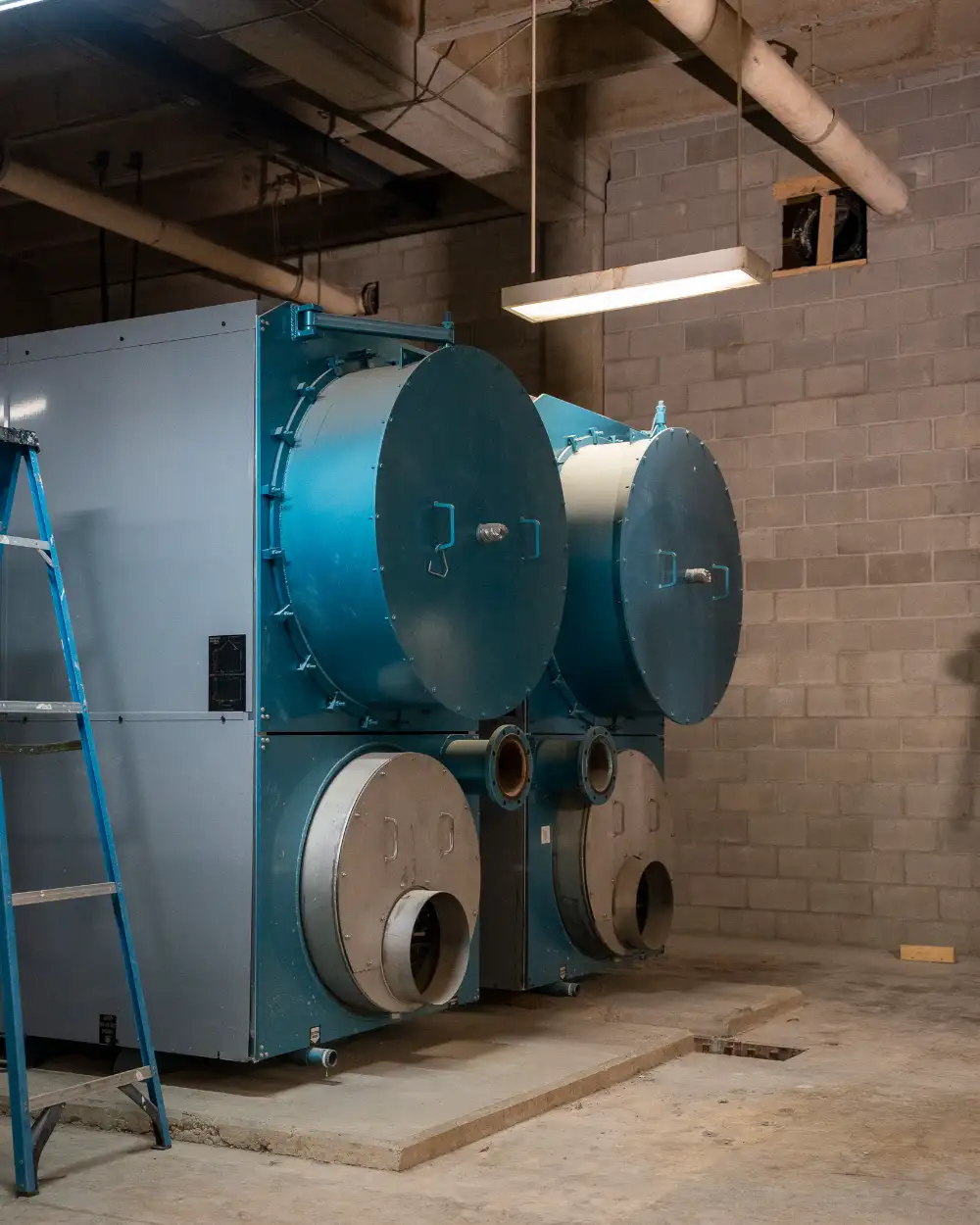
Common Commercial HVAC Repairs and What Drives Their Cost
Every repair is different, but some problems show up more often than others in commercial facilities. Understanding what is involved helps you know what questions to ask and what to expect when your contractor delivers a quote.
Thermostat and Control System Issues
A malfunctioning thermostat or control system can cause uneven temperatures, short cycling, failure to start, or incorrect readings. In some cases the fix is as simple as recalibration or a straightforward replacement. In others, the issue involves wiring, sensors, relays, or a building automation system that requires deeper troubleshooting. Cost increases when multiple zones are affected or when the control system is integrated with other building systems.
Electrical Component Failures
Commercial HVAC systems rely on capacitors, contactors, relays, disconnects, motors, control boards, and wiring throughout. Electrical issues can stop a system from running, cause intermittent failures, or create safety hazards that cannot wait. Because electrical problems can damage major HVAC components when left unaddressed, prompt service is important. Our commercial electrical services team works alongside our HVAC technicians when repairs involve both systems.
Refrigerant Leaks
Low refrigerant is almost always a sign of a leak rather than a routine maintenance issue. A technician must locate the leak, repair it where possible, test the system, and recharge it with the correct refrigerant. Cost depends on the refrigerant type, system size, severity of the leak, and how accessible the damaged section is. Systems still running on R-22 refrigerant face significantly higher recharge costs due to limited availability. Ignoring refrigerant leaks leads to poor cooling, higher utility bills, frozen coils, compressor strain, and eventual system failure.
Compressor Repairs or Replacement
The compressor is one of the most critical and expensive components in any HVAC system. If it fails, the system may not cool at all or may operate well below capacity. Compressor-related repairs carry higher costs because the part is expensive, the labor is more involved, and a thorough technician must determine whether a secondary issue caused the failure before simply installing a new one. On older commercial units, a failed compressor often triggers the commercial HVAC repair or replace conversation since the cost may approach or exceed the value of continuing to maintain the existing system.
Fan Motor and Blower Motor Failures
Fan motors and blower motors move conditioned air through the system and throughout the building. When they fail you may notice poor airflow, hot and cold spots, unusual noises, overheating, or a system that shuts down unexpectedly. Repair cost depends on the motor type, horsepower rating, parts availability, and whether additional components such as belts, bearings, capacitors, or pulleys also need attention.
Dirty or Frozen Coils
Evaporator and condenser coils must stay clean to transfer heat effectively. Dirty coils force the system to work harder, raise energy bills, and reduce cooling output. Frozen coils may indicate airflow restrictions, refrigerant issues, clogged filters, or malfunctioning components. Coil cleaning is typically part of routine preventive maintenance, but if a coil is damaged or leaking, the repair becomes more involved and costly. Staying current on maintenance is the best way to keep coil-related costs manageable, which is why our commercial HVAC preventive maintenance checklist specifically includes coil inspection as a recurring task.
Drain Line and Condensate Problems
Commercial cooling systems remove significant moisture from the air, and that moisture must drain properly. Clogged drain lines, damaged pans, or faulty condensate pumps can cause water leaks, ceiling or wall damage, mold concerns, and system shutdowns. These repairs are manageable when caught early, but water damage to electrical components, inventory, or building materials can make the total cost considerably higher.
Emergency Commercial HVAC Repair Costs
Emergency repairs typically cost more than scheduled service because they may require after-hours dispatch, immediate troubleshooting, and fast access to parts or equipment. For businesses in Texas, emergency HVAC service can be especially critical during extreme summer heat when indoor temperatures can quickly become uncomfortable or unsafe for employees, customers, and inventory.
Emergency repair may be necessary if:
- Your system stops working entirely during business hours
- Indoor temperatures are already affecting employees or customers
- Commercial refrigeration equipment is at risk of failure
- Electrical issues are creating safety concerns in the building
- Water leaks from the HVAC system are causing active property damage
- A critical area of your facility cannot operate without climate control
While emergency service costs more upfront, it helps prevent lost revenue, damaged inventory, tenant complaints, regulatory issues, and extended downtime that can cost far more in the long run. Businesses in San Angelo and Lubbock know firsthand how quickly Texas summer heat makes an HVAC failure an urgent situation rather than a scheduled inconvenience.
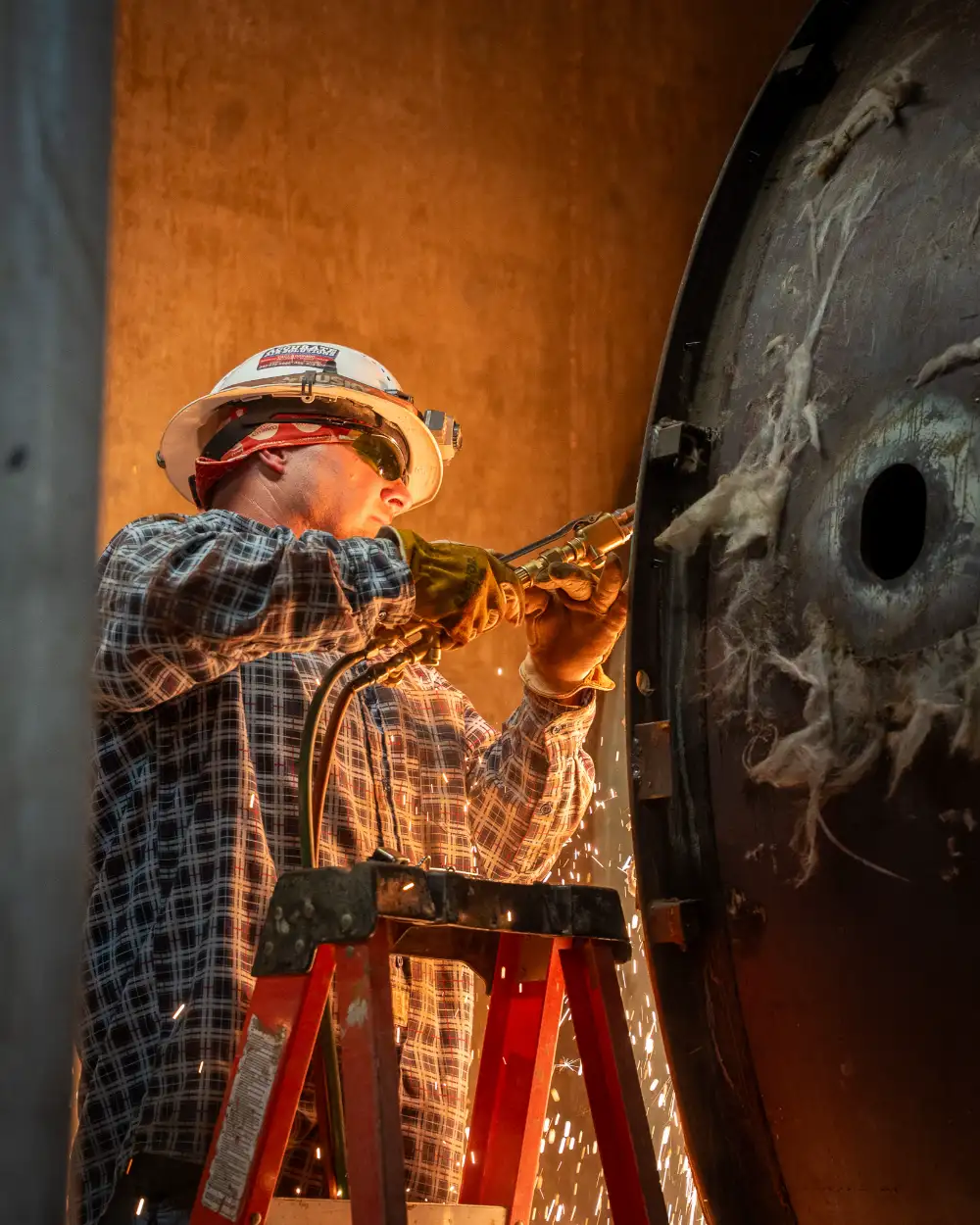
How Preventive Maintenance Helps Lower Commercial HVAC Repair Costs
Preventive maintenance is one of the most effective ways to control commercial HVAC repair costs over time. Regular inspections allow technicians to identify small issues before they become expensive emergencies, improve system efficiency, extend equipment life, and reduce unplanned downtime.
A commercial HVAC maintenance visit typically includes:
- Checking and tightening electrical connections
- Inspecting belts, motors, and bearings for wear
- Cleaning evaporator and condenser coils
- Replacing or inspecting air filters
- Testing thermostats, controls, and sensors
- Inspecting refrigerant levels and checking for leaks
- Clearing drain lines and checking condensate pans
- Verifying airflow and static pressure
- Lubricating moving parts to reduce friction and wear
- Looking for signs of corrosion, overheating, or deterioration
For businesses with high-demand systems, seasonal maintenance is especially important. In Texas, preparing cooling systems before peak summer heat and heating systems before winter can prevent the kind of failures that result in emergency repair bills. For a full breakdown of what to include and how often to schedule service, see our guide on how often commercial HVAC systems should be serviced.
Signs Your Commercial HVAC System Needs Repair
Catching warning signs early is one of the most reliable ways to keep repair costs manageable. The longer a problem goes unaddressed, the more likely it is to damage surrounding components and drive up the total bill.
Watch for these indicators that service is needed:
- Unusual noises such as grinding, squealing, rattling, or banging
- Weak or inconsistent airflow throughout the building
- Hot and cold spots that were not present before
- Rising energy bills without any change in usage or occupancy
- Short cycling or a system that starts and stops frequently
- Water leaks or pooling around indoor or outdoor units
- Unpleasant odors coming from vents or equipment
- Poor humidity control during warm or humid weather
- Equipment that runs constantly but cannot maintain setpoint temperatures
- Refrigeration performance issues if your business uses HVAC/R systems
The sooner these symptoms are addressed, the better the chance of keeping the repair straightforward and affordable. Scheduling service at the first sign of trouble almost always costs less than waiting for a complete breakdown.
Repair vs. Replace: Making the Right Financial Decision
One of the most common questions business owners face when an HVAC system fails is whether to repair or replace. A repair may be the right choice when the system is relatively new, the issue is isolated, and the equipment has been well-maintained. Replacement starts to make more financial sense when the system is aging, inefficient, frequently breaking down, or facing a major component failure where repair costs approach a significant share of replacement cost.
For a detailed side-by-side look at how to evaluate this decision, including specific scenarios where each option makes the most financial sense, see our full guide on commercial HVAC repair or replace. Our commercial HVAC services team can walk you through both options with honest recommendations based on your system’s actual condition.
How to Budget for Commercial HVAC Repairs
Treating HVAC repair and maintenance as a planned line item in your facility budget helps avoid the financial stress of unexpected breakdowns. Waiting until a system fails entirely tends to make the expense harder to absorb and more disruptive to daily operations.
Helpful budgeting practices include:
- Scheduling routine maintenance at least once or twice per year before peak seasons
- Keeping records of past repairs, parts replaced, and recurring issues
- Requesting written repair estimates before authorizing work
- Comparing repair costs against system age and current efficiency
- Planning ahead for eventual equipment replacement rather than waiting for failure
- Considering a maintenance agreement for predictable, scheduled service
- Working with a contractor experienced in commercial systems who can advise on long-term planning
A proactive approach puts you in control of timing and spending rather than reacting to emergencies during the hottest weeks of a Texas summer.
Get Reliable Commercial HVAC Repair Across Texas
Commercial HVAC problems can interrupt your business, affect comfort, increase energy costs, and create unnecessary stress. Whether you are dealing with a minor issue, a significant breakdown, or an after-hours emergency, having the right team on your side makes a major difference in how quickly and affordably the problem gets resolved.
At Accurate Air Solutions, LLC, we provide dependable 24/7 HVAC/R, electrical, and plumbing services to commercial and residential customers throughout Texas. Our team serves businesses in Abilene, Brownwood, Lubbock, San Angelo, Midland, and Odessa with honest assessments, skilled technicians, and around-the-clock availability. Contact us today to schedule service or get a repair estimate for your commercial HVAC system.
Frequently Asked Questions About Commercial HVAC Repair Cost
How much does commercial HVAC repair cost on average?
Commercial HVAC repair costs range from a few hundred dollars for minor repairs such as capacitor or thermostat replacements to several thousand dollars for major component failures like compressor or coil replacement. The final cost depends on the system type, parts needed, labor time, accessibility, and whether emergency service is required.
Why is commercial HVAC repair more expensive than residential?
Commercial systems are larger, more complex, and often harder to access than residential equipment. They may include rooftop units, zoning controls, refrigeration components, and advanced electrical systems that require specialized training and more labor time to service properly.
Is emergency commercial HVAC repair more expensive?
Yes. After-hours or emergency service typically costs more than scheduled repairs due to dispatch fees, expedited parts sourcing, and the urgency of the situation. However, fast service often prevents greater losses from business interruption, inventory damage, or equipment failure.
What is the most expensive commercial HVAC repair?
Compressor replacement is typically one of the most expensive commercial HVAC repairs. Major refrigerant leak corrections, condenser or evaporator coil replacement, control board failures, and extensive electrical troubleshooting also fall on the higher end of the cost range.
Can regular maintenance reduce commercial HVAC repair costs?
Yes. Preventive maintenance helps identify worn parts, dirty coils, clogged drains, refrigerant issues, and electrical problems before they escalate. A consistent maintenance schedule reduces emergency repairs, extends equipment life, and lowers overall operating costs over time.
How do I know if I should repair or replace my commercial HVAC system?
Repair is generally the right choice for newer systems with isolated, affordable issues. Replacement becomes more cost-effective when the system is old, inefficient, frequently breaking down, or facing a major repair that represents a large percentage of what a new system would cost.
Does Accurate Air Solutions handle commercial HVAC repairs in Texas?
Yes. Accurate Air Solutions provides commercial HVAC repair, maintenance, and replacement services throughout Texas including Abilene, Lubbock, Brownwood, San Angelo, Midland, and Odessa. Our team is available 24/7 for both scheduled service and emergency calls.

