


Top Electrical Issues in Abilene Commercial Buildings
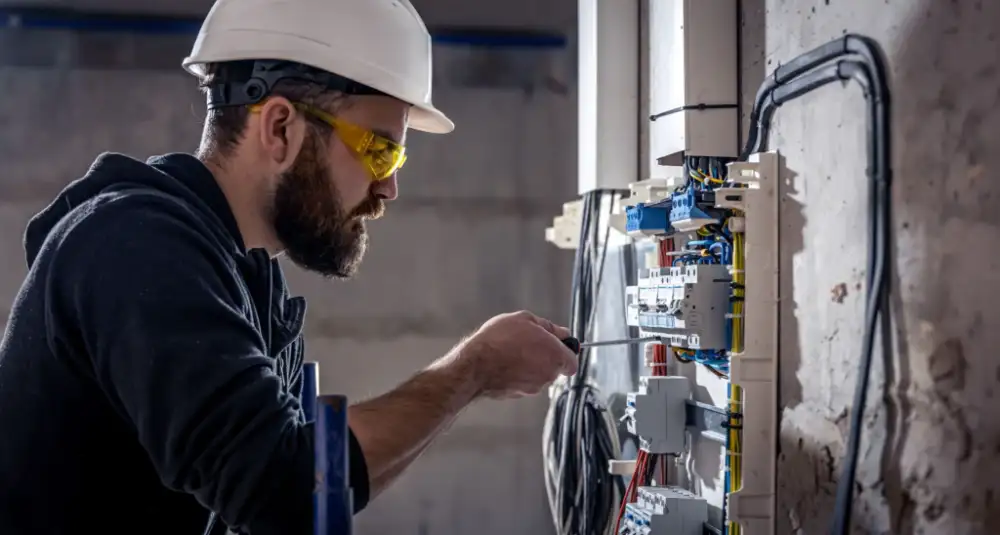
Commercial buildings depend on safe, consistent, and efficient electrical systems every day. From lighting and HVAC equipment to computers, refrigeration, security systems, point-of-sale terminals, machinery, and emergency equipment, nearly every business operation relies on power. When electrical problems happen, they can disrupt productivity, create safety risks, damage equipment, and even force a business to close temporarily. For property managers, business owners, facility directors, and contractors, knowing when to call a commercial electrician in Abilene, TX, can make all the difference between a minor repair and a costly emergency.
Abilene commercial buildings face a unique combination of challenges. Many properties include aging electrical infrastructure, while others have expanded faster than their original systems were designed to support. Texas heat also places intense demand on HVAC and refrigeration equipment, which can increase electrical load and expose weaknesses in panels, circuits, wiring, and connections. Whether you manage an office building, restaurant, warehouse, retail store, medical facility, school, church, or industrial space, understanding the most common electrical issues can help you prevent downtime and protect your investment.
Why Electrical Problems Are Common in Commercial Buildings
Commercial electrical systems are more complex than residential systems. They often support higher voltage demands, multiple panels, specialized equipment, backup systems, exterior lighting, data and communication systems, and life safety components. Over time, even a well-designed system can develop issues due to wear, environmental conditions, overloaded circuits, code changes, or improper modifications.
In Abilene, businesses may also deal with seasonal strain. During long stretches of extreme heat, air conditioning systems run for extended periods. Restaurants, grocery stores, convenience stores, and other businesses that rely on refrigeration may see added pressure on electrical components. Storms, high winds, dust, and power fluctuations can also affect electrical reliability.
Common causes of commercial electrical problems include:
- Aging wiring, panels, and breakers
- Overloaded circuits caused by added equipment
- Poorly installed electrical upgrades
- Loose connections inside panels or outlets
- Heat-related wear on components
- Inadequate maintenance
- Outdated systems that no longer meet business needs
- Moisture intrusion or storm-related damage
- Damaged outlets, switches, or conduit
- Code violations from previous repairs or remodels
Identifying these issues early can reduce safety risks and help businesses avoid larger repairs.
Frequent Breaker Trips
A circuit breaker is designed to shut off power when it senses an unsafe condition, such as an overload, short circuit, or ground fault. If a breaker trips once, it may be due to a temporary surge. If it trips repeatedly, it should not be ignored.
In commercial buildings, frequent breaker trips often happen when too much equipment is connected to one circuit. This is common in offices with added computers, printers, monitors, breakroom appliances, and charging stations. Restaurants may experience breaker issues when kitchen appliances, refrigeration units, and HVAC equipment all place heavy demand on the system. Retail spaces may overload circuits with displays, lighting, signage, and point-of-sale equipment.
Repeated breaker trips can indicate:
- Overloaded circuits
- Faulty equipment
- Damaged wiring
- Loose electrical connections
- Failing breakers
- Short circuits
- Ground faults
- Undersized electrical service
A breaker that keeps tripping is not just an inconvenience. It is a warning sign that the electrical system is trying to prevent overheating, fire, or equipment damage. Business owners should avoid simply resetting the breaker over and over. A qualified professional can inspect the circuit, test connected equipment, and determine whether repairs or upgrades are needed.
Flickering or Dimming Lights
Flickering lights may seem minor, but in a commercial setting, they can point to a deeper electrical issue. Occasional flickering during a storm or utility fluctuation may not be a major concern. However, lights that flicker regularly, dim when equipment turns on, or vary in brightness throughout the day should be evaluated.
Common causes of flickering or dimming lights include:
- Loose wiring connections
- Overloaded circuits
- Voltage fluctuations
- Failing light fixtures
- Faulty switches
- Problems with the electrical panel
- Large equipment drawing power from the same circuit
- Utility supply issues
In offices, flickering lights can affect comfort and productivity. In retail spaces, they can create a poor customer experience. In warehouses or manufacturing environments, inconsistent lighting can become a safety concern. If lights dim when an HVAC unit, compressor, pump, or piece of machinery starts, the building may need a dedicated circuit, load evaluation, or electrical service upgrade.
Outdated Electrical Panels
Many commercial buildings in Abilene have been renovated, expanded, or repurposed over the years. A building that once housed a small retail store may now support offices, kitchen equipment, refrigeration, medical devices, or specialized machinery. If the electrical panel was not upgraded along the way, it may no longer be adequate.
An outdated panel can cause several issues, including limited capacity, frequent breaker trips, overheating, and difficulty supporting modern equipment. In some cases, older panels may also include components that are harder to service or no longer meet current safety expectations.
Warning signs of an outdated or overloaded panel include:
- Breakers that trip often
- Buzzing or crackling sounds
- Burning smells near the panel
- Warm or hot panel surfaces
- Visible rust or corrosion
- Scorch marks
- Breakers that do not reset properly
- Lack of available breaker space
- Lights dimming when equipment starts
- A panel that has not been inspected in years
Electrical panels are not a place for guesswork. A professional can determine whether the panel needs repair, replacement, or expansion. For businesses planning renovations or equipment upgrades, a panel assessment should happen early in the planning process.
Overloaded Circuits
Overloaded circuits are one of the most common electrical problems in commercial buildings. They occur when the demand on a circuit exceeds what it was designed to handle. This can happen gradually as a business grows and adds more equipment, or suddenly when a new appliance or machine is installed without checking electrical capacity.
Overloaded circuits may cause tripped breakers, warm outlets, buzzing sounds, flickering lights, or damaged equipment. In some cases, overloaded wiring can overheat and create a fire hazard.
Examples of overload risks include:
- Plugging multiple high-demand devices into one outlet
- Using extension cords as permanent wiring
- Adding new office equipment without adding circuits
- Running kitchen appliances on shared circuits
- Connecting HVAC or refrigeration equipment to undersized circuits
- Installing additional lighting without load calculations
- Expanding workstations without electrical planning
Businesses should avoid relying on power strips and extension cords for long-term needs. If employees are constantly searching for available outlets, or if circuits trip when certain equipment is used, the building likely needs additional circuits or a broader electrical evaluation.
Faulty Outlets and Switches
Commercial outlets and switches get heavy use. In busy offices, retail spaces, restaurants, and warehouses, outlets may be used daily by employees, customers, vendors, and maintenance teams. Over time, outlets can loosen, crack, wear out, or become damaged.
Faulty outlets and switches may show signs such as:
- Plugs that fall out easily
- Sparks when plugging in equipment
- Warm or discolored outlet covers
- Buzzing sounds
- Intermittent power
- Cracked faceplates
- Switches that feel loose or hot
- Burning odors
A damaged outlet should be repaired quickly. Loose or worn connections can create heat and increase fire risk. In areas where moisture is present, such as kitchens, bathrooms, utility rooms, outdoor spaces, and mechanical areas, outlets may need ground fault circuit interrupter protection. Commercial buildings should also make sure outlets are properly rated for their use and installed according to applicable codes.
Electrical Surges and Power Fluctuations
Electrical surges can happen for many reasons. Some are caused by lightning or utility grid issues, while others originate inside the building when large equipment cycles on and off. Even small repeated surges can damage sensitive electronics over time.
Commercial buildings often contain equipment that is vulnerable to power quality issues, including:
- Computers and servers
- Security systems
- HVAC controls
- Refrigeration controls
- Medical equipment
- Point-of-sale systems
- Phone systems
- Automation systems
- Digital signage
- Industrial controls
Power fluctuations can cause equipment resets, premature component failure, data loss, and operational interruptions. Surge protection can help reduce risk, especially when installed at the panel level and paired with point-of-use protection for sensitive devices. If a business experiences frequent equipment failures or unexplained resets, an electrical inspection may reveal grounding issues, overloaded circuits, poor power quality, or inadequate surge protection.
Lighting Problems
Lighting is one of the most visible parts of a commercial electrical system. Poor lighting can affect safety, productivity, security, customer experience, and energy costs. Common commercial lighting problems include burned-out lamps, failed ballasts or drivers, flickering fixtures, inconsistent brightness, outdated lighting controls, and exterior lighting failures.
In Abilene commercial buildings, lighting issues may affect:
- Parking lots
- Entryways
- Hallways
- Offices
- Storage rooms
- Warehouses
- Kitchens
- Restrooms
- Emergency exits
- Signage
- Security areas
Exterior lighting is especially important for safety and security. Parking lot lights, wall packs, and entry lighting help employees and customers feel safer after dark. If exterior lights fail frequently, the issue could involve damaged wiring, photocell problems, timer issues, water intrusion, or aging fixtures.
Many businesses choose to upgrade to LED lighting to reduce energy use and maintenance needs. However, lighting upgrades should be planned carefully to ensure compatibility with existing wiring, controls, dimmers, and occupancy sensors.
Inadequate Electrical Capacity for HVAC and Refrigeration
Accurate Air Solutions, LLC provides HVAC/R, electrical, and plumbing services, so it is important to highlight how closely commercial electrical systems are tied to heating, cooling, and refrigeration performance. In Texas, HVAC systems work hard for much of the year. If the electrical system is not properly sized or maintained, HVAC and refrigeration equipment may experience performance problems or premature failure.
Electrical issues related to HVAC/R equipment may include:
- Undersized circuits
- Loose disconnects
- Failing contactors
- Voltage drops
- Tripped breakers
- Overheated wiring
- Damaged capacitors
- Poor grounding
- Inadequate panel capacity
- Improperly installed equipment wiring
Restaurants, convenience stores, warehouses, medical facilities, and grocery-related businesses cannot afford refrigeration downtime. If coolers, freezers, ice machines, or HVAC units are experiencing repeated electrical problems, the issue may not be with the equipment alone. The building’s electrical system may need testing, repair, or upgrading to support the load safely.
Code Compliance Issues
Electrical codes are designed to protect people and property. Commercial properties are often subject to inspections during construction, remodels, tenant improvements, and certain equipment installations. However, older buildings or previously modified spaces may contain hidden code issues.
Potential code concerns include:
- Improperly installed wiring
- Missing covers on junction boxes
- Overfilled electrical boxes
- Inadequate grounding
- Incorrect breaker sizes
- Lack of GFCI protection where required
- Improper use of extension cords
- Damaged conduit
- Unlabeled panels
- Blocked electrical access
- Noncompliant lighting or emergency systems
Code issues can create safety risks and may cause delays during inspections, insurance reviews, property sales, or tenant transitions. A professional electrical inspection can help identify problems and prioritize corrections.
Emergency Electrical Problems
Some electrical issues require immediate attention. Business owners and property managers should know the warning signs of a potential emergency and take them seriously.
Call for help promptly if you notice:
- Burning smells from outlets, panels, or equipment
- Smoke or scorch marks
- Sparks from outlets or electrical panels
- Buzzing or crackling sounds
- Power loss in part of the building
- Electrical shock when touching equipment
- Hot breakers, outlets, or switches
- Water near electrical components
- Repeated breaker trips after resetting
- Flickering lights throughout the building
If there is visible fire, smoke, or immediate danger, evacuate and contact emergency services first. Electrical hazards can escalate quickly, and commercial buildings often contain multiple occupants, expensive equipment, and critical systems.
Preventive Maintenance for Commercial Electrical Systems
Preventive maintenance is one of the best ways to reduce electrical problems. Instead of waiting for a breaker to fail, lights to go out, or equipment to stop working, commercial property owners can schedule inspections and service to catch issues early.
A preventive electrical maintenance plan may include:
- Panel inspections
- Breaker testing
- Load evaluations
- Outlet and switch inspections
- Thermal imaging where appropriate
- Lighting system checks
- Grounding and bonding verification
- Surge protection review
- Emergency lighting checks
- Generator or backup power inspections
- HVAC/R electrical connection checks
- Documentation of repair recommendations
Maintenance is especially valuable for businesses that operate outside normal hours or depend on continuous operation, such as restaurants, convenience stores, medical offices, warehouses, manufacturing facilities, and commercial properties with refrigeration needs.
When to Upgrade Your Commercial Electrical System
Not every electrical issue requires a full system upgrade, but some signs suggest that a building needs more capacity or modernization. Electrical upgrades may be necessary when a business expands, adds equipment, remodels a space, or experiences recurring electrical problems.
Consider an upgrade if:
- Your panel is outdated or full
- Breakers trip frequently
- You are adding HVAC/R equipment
- You are installing commercial kitchen equipment
- Your business needs more outlets
- Lighting is outdated or inefficient
- Equipment is failing due to power issues
- You are renovating or changing the building’s use
- Your system has not been inspected in years
- You need better support for technology or automation
Upgrades can improve safety, reliability, efficiency, and flexibility. They can also help businesses prepare for future growth.
FAQ
What are the most common electrical problems in commercial buildings?
The most common issues include tripped breakers, overloaded circuits, flickering lights, faulty outlets, outdated panels, wiring problems, power surges, and electrical issues connected to HVAC or refrigeration equipment.
Why does my commercial building keep tripping breakers?
Frequent breaker trips usually mean the circuit is overloaded, the breaker is failing, or there is a wiring or equipment problem. A professional should inspect the system before the breaker is reset repeatedly.
Are flickering lights dangerous?
Flickering lights are not always dangerous, but they can indicate loose wiring, overloaded circuits, voltage fluctuations, or panel issues. If flickering happens often or affects multiple areas, schedule an inspection.
How often should a commercial electrical system be inspected?
Many commercial buildings benefit from an annual electrical inspection, especially if they have heavy equipment, refrigeration, older wiring, or high energy demands. Some businesses may need more frequent maintenance depending on use and risk.
Can electrical problems affect HVAC or refrigeration systems?
Yes. Poor wiring, low voltage, overloaded circuits, loose connections, and panel issues can affect HVAC and refrigeration performance. These problems may cause shutdowns, equipment damage, or reduced efficiency.
What should I do if I smell burning near an outlet or panel?
Stop using the affected area immediately and call for professional help. If you see smoke, fire, or active sparking, leave the building and contact emergency services first.
Should my business use surge protection?
Surge protection is a smart investment for many commercial buildings, especially those with computers, servers, security systems, refrigeration controls, HVAC controls, or point-of-sale systems.
Is it safe to use extension cords in a commercial building?
Extension cords should only be used temporarily. They should not replace permanent wiring. If your business depends on extension cords every day, you may need additional outlets or circuits.
Call Accurate Air Solutions, LLC for Commercial Electrical Help in Abilene and Across Texas
Electrical issues can slow down your business, create safety risks, and affect critical systems like HVAC, refrigeration, lighting, and equipment. When something goes wrong, you need a dependable team that understands the demands of commercial properties and responds quickly.
We are proud to provide reliable, 24/7 HVAC/R, electrical, and plumbing services across Texas, with a strong presence in Abilene, Brownwood, San Angelo, Lubbock, and Galveston areas. At Accurate Air Solutions, LLC, we understand that comfort can’t wait, and neither should you. Our team delivers expert craftsmanship, round-the-clock availability, and customized solutions that fit your needs and your budget.
Whether you are dealing with electrical issues that disrupt your business, HVAC problems during a Texas summer, refrigeration concerns, or an unexpected plumbing emergency, we are ready to help. From residential fixes to large-scale commercial projects, we are your go-to partner for comfort, efficiency, and peace of mind.
Contact us today for dependable 24/7 HVAC/R, electrical, and plumbing services across Texas.

