


Commercial Plumbing Maintenance Tips for Abilene Businesses
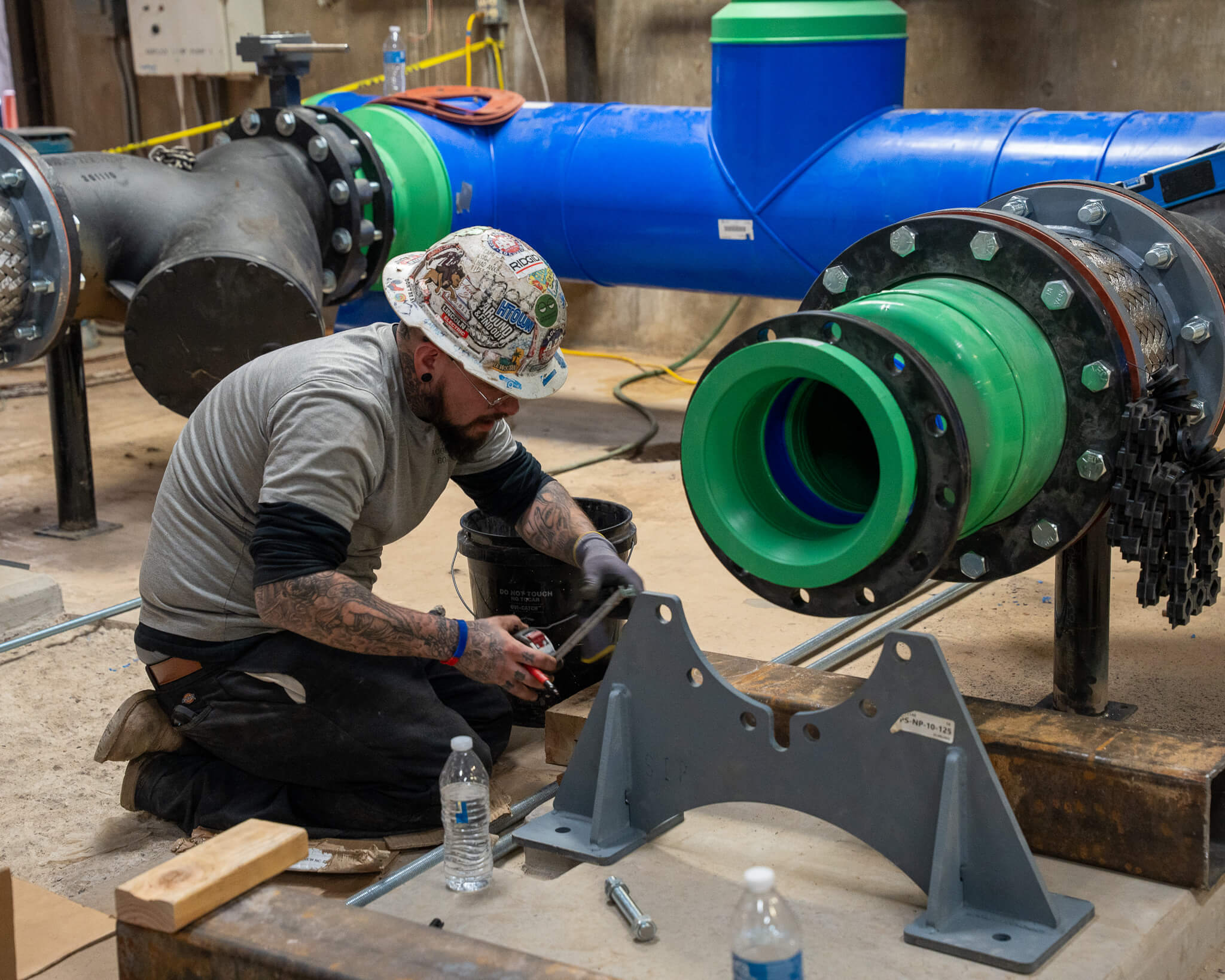
For business owners and property managers, commercial plumbing maintenance in Abilene, TX, is not something to think about only when a pipe bursts, a restroom backs up, or a water heater stops working. Plumbing systems are essential to daily operations, whether you run a restaurant, office building, retail store, medical facility, warehouse, school, church, or multi-unit commercial property. A well-maintained plumbing system helps protect your building, reduce downtime, support sanitation, and prevent costly repairs that can interrupt your business.
Abilene businesses face a range of plumbing challenges throughout the year. Hot Texas summers, shifting soil, heavy system usage, hard water, aging infrastructure, and sudden temperature changes can all put stress on pipes, drains, fixtures, and water heaters. While some problems are unavoidable, many common plumbing issues can be prevented or minimized with routine maintenance and smart day-to-day practices.
Below are practical commercial plumbing maintenance tips to help Abilene businesses keep their systems running smoothly, avoid emergencies, and protect their investment.
Why Commercial Plumbing Maintenance Matters
Commercial plumbing systems are usually more complex than residential systems. They often serve more people, handle higher water demand, and must meet stricter safety and sanitation expectations. Even a minor issue can quickly become a major disruption.
A clogged restroom in an office may inconvenience employees and customers. A backed-up drain in a restaurant can affect food safety and force temporary closure. A leaking pipe in a retail store can damage flooring, inventory, walls, and electrical systems. A malfunctioning water heater in a hotel, healthcare facility, or commercial kitchen can create operational problems almost immediately.
Routine plumbing maintenance helps businesses:
- Reduce the risk of unexpected plumbing emergencies
- Extend the life of pipes, fixtures, drains, and water heaters
- Improve water efficiency and reduce waste
- Protect property from leaks and water damage
- Maintain a clean, safe, and professional environment
- Support compliance with health and safety expectations
- Avoid costly repairs caused by neglected issues
Preventive care is almost always more affordable than emergency repairs, cleanup, and lost business time.
Schedule Regular Plumbing Inspections
One of the best steps any Abilene business can take is scheduling routine plumbing inspections. A professional inspection can identify early warning signs before they become expensive problems.
During a commercial plumbing inspection, a technician may check:
- Visible pipes and connections
- Restroom fixtures
- Water heaters
- Drains and sewer lines
- Shutoff valves
- Water pressure
- Backflow prevention devices
- Leaks under sinks and around equipment
- Signs of corrosion, mineral buildup, or moisture damage
The ideal inspection schedule depends on the type of business and the amount of plumbing use. Restaurants, medical offices, gyms, manufacturing facilities, salons, and multi-tenant buildings may need more frequent inspections than a small office with limited restroom use.
For many commercial properties, scheduling plumbing inspections at least once or twice per year is a good starting point. High-use facilities may benefit from quarterly maintenance.
Watch for Signs of Hidden Leaks
Not every plumbing leak is obvious. Some leaks happen behind walls, under floors, above ceilings, or underground. By the time water damage becomes visible, the problem may already be extensive.
Business owners and facility managers should watch for signs such as:
- Unexpected increases in water bills
- Damp spots on walls, floors, or ceilings
- Musty odors
- Mold or mildew growth
- Water stains
- Low water pressure
- Sounds of running water when fixtures are off
- Cracked or warped flooring
- Peeling paint or bubbling drywall
Small leaks can waste significant amounts of water and damage the structure of your building over time. In commercial settings, leaks may also affect equipment, inventory, documents, furniture, and electrical systems. If you notice any warning signs, it is best to have the issue inspected quickly rather than waiting to see if it gets worse.
Keep Drains Clear and Flowing
Drain problems are among the most common plumbing issues for businesses. Commercial drains handle everything from restroom traffic to kitchen waste, mop water, soap residue, grease, hair, dirt, paper products, and other debris.
To help prevent clogs, businesses should establish clear drain-use practices. Employees should know what can and cannot go down sinks, floor drains, toilets, and kitchen drains.
Avoid putting these items down commercial drains:
- Grease, fats, and oils
- Food scraps
- Coffee grounds
- Paper towels
- Wipes, even if labeled flushable
- Feminine hygiene products
- Cotton swabs
- Cleaning rags
- Chemicals not approved for plumbing systems
- Excessive dirt, sand, or debris
Restroom signage can also help customers and employees avoid flushing items that can cause blockages. In kitchens and food service facilities, drain screens and grease management are especially important.
If drains are slow, gurgling, or producing unpleasant odors, those are signs that buildup may already be forming. Professional drain cleaning can remove blockages safely and help prevent backups.
Maintain Grease Traps Properly
For restaurants, cafeterias, commercial kitchens, bakeries, food trucks with fixed facilities, and other food service businesses, grease trap maintenance is essential. Grease traps are designed to keep fats, oils, and grease from entering the plumbing and sewer system. When they are not cleaned and maintained properly, they can cause foul odors, slow drainage, backups, and potential compliance problems.
A grease trap that is too full cannot do its job effectively. Grease can move into the drain lines, harden, and create stubborn blockages that are difficult to remove.
Good grease trap practices include:
- Scheduling regular professional cleaning
- Keeping maintenance records
- Training staff to scrape food waste into trash before washing dishes
- Avoiding disposal of grease in sinks
- Using sink strainers to catch solids
- Watching for odors or slow drainage near kitchen fixtures
The right cleaning frequency depends on kitchen volume, local requirements, and the size of the grease trap. Busy kitchens may need service much more often than smaller operations.
Test Water Pressure
Water pressure matters more than many business owners realize. Pressure that is too low can affect daily operations, while pressure that is too high can strain pipes, fixtures, valves, and appliances.
Low water pressure may be caused by:
- Mineral buildup
- Hidden leaks
- Failing valves
- Pipe corrosion
- Supply line issues
- Problems with plumbing fixtures
High water pressure can contribute to:
- Leaking fixtures
- Damaged valves
- Worn seals
- Shortened equipment life
- Increased water usage
- Pipe stress
Commercial buildings should have water pressure checked periodically. If employees or tenants complain about weak flow, inconsistent pressure, or noisy pipes, it may be time to schedule a professional evaluation.
Protect Pipes From Temperature Swings
While Abilene is known for heat, winter temperature drops can still create plumbing concerns. Sudden cold snaps can put exposed or poorly insulated pipes at risk. Commercial properties with outdoor plumbing, unconditioned storage areas, warehouses, crawl spaces, or mechanical rooms should take steps to protect vulnerable lines.
Cold-weather plumbing tips include:
- Insulate exposed pipes
- Seal gaps where cold air can enter
- Keep mechanical rooms above freezing
- Disconnect outdoor hoses when needed
- Know where the main shutoff valves are located
- Inspect outdoor fixtures before freezing weather arrives
- Address small leaks before temperatures drop
A burst pipe can shut down operations and cause serious water damage. Preparing before cold weather arrives is much easier than responding to a plumbing emergency after the fact.
Maintain Commercial Water Heaters
Hot water is critical for many businesses. Restaurants need it for sanitation. Hotels need it for guest comfort. Medical facilities need it for hygiene. Offices, schools, gyms, and retail spaces rely on it for restrooms and cleaning.
Commercial water heaters work hard, and they need routine maintenance to operate efficiently. Over time, sediment can build up inside the tank, especially in areas with hard water. This can reduce efficiency, increase energy costs, and shorten the life of the unit.
Water heater maintenance may include:
- Inspecting for leaks or corrosion
- Checking temperature settings
- Flushing sediment from the tank
- Testing safety valves
- Inspecting connections
- Checking for unusual noises
- Evaluating recovery time and hot water consistency
Warning signs of water heater trouble include inconsistent hot water, rusty water, banging or popping sounds, pooling water, and rising utility bills. If your business depends heavily on hot water, waiting until the unit fails can be costly. Regular maintenance helps reduce that risk.
Check Restrooms Frequently
Commercial restrooms get heavy use, making them one of the most important areas to monitor. A restroom plumbing issue can affect customers, employees, tenants, and overall business reputation.
Restroom maintenance should include regular checks for:
- Running toilets
- Loose fixtures
- Leaking faucets
- Slow drains
- Clogged toilets
- Damaged flush valves
- Low water pressure
- Signs of vandalism or misuse
- Water pooling around sinks or toilets
A constantly running toilet can waste a large amount of water and increase utility costs. Leaking faucets can also add up over time. These may seem like small issues, but in a commercial building with multiple fixtures, the cost of wasted water can become significant.
Assigning staff to report restroom issues promptly can help prevent small problems from growing into larger repairs.
Know the Location of Shutoff Valves
Every business should know where its water shutoff valves are located. In a plumbing emergency, shutting off the water quickly can reduce damage and cleanup costs.
Important shutoff points may include:
- Main building water shutoff
- Water heater shutoff
- Restroom fixture shutoffs
- Sink shutoffs
- Equipment-specific shutoffs
- Irrigation shutoffs
Make sure key employees know where these valves are and how to use them. Valves should also be labeled clearly and tested periodically to ensure they work. A shutoff valve that is stuck, corroded, or inaccessible may not help when an emergency happens.
Create a Plumbing Maintenance Checklist
A written maintenance checklist helps businesses stay organized and consistent. It also makes it easier to train employees, track recurring issues, and document service history.
A commercial plumbing checklist may include:
- Inspect restrooms weekly
- Check under sinks for leaks
- Look for water stains or moisture
- Monitor water bills for unusual changes
- Schedule drain cleaning as needed
- Service grease traps regularly
- Flush and inspect water heaters
- Test shutoff valves
- Check outdoor plumbing before seasonal changes
- Schedule professional inspections
- Keep records of repairs and maintenance
Documentation is especially helpful for property managers, multi-location businesses, and companies with maintenance teams. If problems repeat in the same area, records can help a plumbing professional identify the underlying cause.
Train Employees to Report Plumbing Issues
Employees are often the first to notice plumbing problems. They may see a slow drain, hear a running toilet, smell sewer odors, or notice water on the floor before management does. Training employees to report concerns quickly can prevent damage and downtime.
Encourage employees to report:
- Leaks
- Clogs
- Water stains
- Bad odors
- Unusual pipe noises
- Low water pressure
- Running toilets
- Hot water problems
- Standing water
- Backups
It is also helpful to explain what should not be flushed or poured down drains. A few simple habits can make a big difference in preventing plumbing problems.
Be Careful With Chemical Drain Cleaners
When a drain slows down, it may be tempting to use a chemical drain cleaner. However, these products can be harsh on plumbing systems, especially with repeated use. They may damage pipes, create safety risks, or fail to fully remove the blockage.
Commercial plumbing systems need solutions that match the cause of the problem. A slow drain may be caused by grease buildup, mineral scale, foreign objects, damaged pipes, root intrusion, or sewer line issues. Chemical cleaners do not address every cause and may only provide temporary relief.
For recurring clogs or slow drains, professional drain cleaning is usually the safer and more effective option.
Pay Attention to Sewer Line Warning Signs
Sewer line problems can create serious issues for commercial properties. A sewer backup can disrupt operations, create unsanitary conditions, damage property, and require immediate professional cleanup.
Common warning signs include:
- Multiple drains backing up at once
- Gurgling toilets
- Sewage odors
- Water backing up into floor drains
- Slow drainage throughout the building
- Wet spots or unusually green patches outdoors
- Frequent clogs despite cleaning
Because sewer line issues can escalate quickly, they should never be ignored. A professional plumber can inspect the system and determine whether the issue is a blockage, damaged pipe, root intrusion, or another problem.
Consider the Age of Your Plumbing System
Older commercial buildings in Abilene may have aging plumbing materials, outdated layouts, or fixtures that are no longer efficient. Even if the system still works, older pipes and fixtures may be more vulnerable to leaks, corrosion, pressure problems, and recurring clogs.
If your building has frequent plumbing problems, it may be worth evaluating whether repairs are enough or whether upgrades would be more cost-effective over time. Replacing outdated fixtures, improving water efficiency, or upgrading problem sections of pipe may reduce long-term maintenance costs.
A professional plumbing assessment can help you understand the condition of your system and prioritize improvements based on urgency and budget.
Plan Maintenance Around Business Operations
One advantage of preventive maintenance is that it can often be scheduled at convenient times. Emergency repairs rarely happen when it is easy for your business. A burst pipe, sewer backup, or failed water heater can interrupt your workday, affect customers, and create stress for employees.
Planned maintenance allows you to:
- Choose service times that minimize disruption
- Budget for repairs and upgrades
- Address minor problems before peak business periods
- Coordinate with tenants, employees, or customers
- Avoid surprise closures or service interruptions
For businesses with seasonal demand, maintenance should be scheduled before the busiest times of year. Restaurants, hospitality businesses, schools, churches, and event spaces can especially benefit from proactive planning.
Work With a Reliable Commercial Plumbing Team
Commercial plumbing maintenance is not just about fixing problems. It is about building a long-term plan that keeps your business protected. Working with a dependable service provider gives you access to experienced technicians who understand commercial systems, emergency response, and preventive care.
When choosing a plumbing company, look for qualities such as:
- Commercial plumbing experience
- Emergency availability
- Clear communication
- Knowledge of plumbing, HVAC/R, and electrical systems
- Ability to support both small repairs and larger projects
- Service coverage in your area
- Maintenance-focused recommendations
- Respect for your time, property, and budget
A reliable service partner can help you move from reactive repairs to proactive maintenance.
FAQ
How often should a commercial plumbing system be inspected?
Most commercial properties should schedule a professional plumbing inspection at least once or twice a year. High-use businesses, such as restaurants, medical facilities, gyms, and multi-tenant buildings, may need inspections more often.
What are the most common commercial plumbing problems?
Common issues include clogged drains, running toilets, leaking faucets, water heater problems, sewer line backups, low water pressure, grease trap issues, and hidden pipe leaks.
How can my business prevent clogged drains?
Train employees on proper drain use, install drain screens where appropriate, avoid pouring grease or food waste down sinks, maintain grease traps, and schedule professional drain cleaning when slow drains appear.
Why is my commercial water bill suddenly higher?
A sudden increase may point to hidden leaks, running toilets, dripping fixtures, irrigation problems, or equipment issues. A plumbing inspection can help identify the source.
Are chemical drain cleaners safe for commercial plumbing?
They are usually not the best solution for commercial systems. Repeated use can be hard on pipes and may not fully clear the blockage. Professional drain cleaning is generally safer and more effective.
What should I do during a plumbing emergency?
Shut off the water if it is safe to do so, keep people away from affected areas, protect valuable equipment or inventory when possible, and call a qualified emergency plumbing professional right away.
Do commercial water heaters need maintenance?
Yes. Commercial water heaters should be inspected, flushed, and serviced regularly to reduce sediment buildup, improve efficiency, and lower the risk of unexpected failure.
Why do sewer odors come from commercial drains?
Sewer odors may be caused by dry drain traps, clogged vents, buildup in drain lines, grease trap problems, or sewer line issues. Persistent odors should be inspected by a professional.
Can preventive maintenance really save money?
Yes. Preventive maintenance can help reduce emergency repairs, water waste, property damage, downtime, and premature equipment replacement.
Who should Abilene businesses call for commercial plumbing maintenance?
Businesses should call an experienced service provider that understands commercial plumbing systems and offers dependable support when problems arise.
Call Accurate Air Solutions, LLC for Commercial Plumbing Support
Your business depends on plumbing that works when you need it. Whether you are dealing with recurring drain problems, water heater concerns, restroom issues, sewer line warning signs, or you simply want a proactive maintenance plan, Accurate Air Solutions is ready to help.
We provide reliable 24/7 HVAC/R, electrical, and plumbing services across Texas, with a strong presence in Abilene, Brownwood, San Angelo, Lubbock, and Galveston areas. Our team understands that comfort cannot wait, and neither should you. From unexpected plumbing emergencies in the middle of the night to planned commercial maintenance and large-scale projects, we deliver expert craftsmanship, round-the-clock availability, and customized solutions that fit your needs and your budget.
Keep your business running smoothly with dependable service from a team that is always ready to help. Contact us today to schedule commercial plumbing maintenance, request emergency service, or learn more about HVAC/R, electrical, and plumbing solutions for your Texas business.

