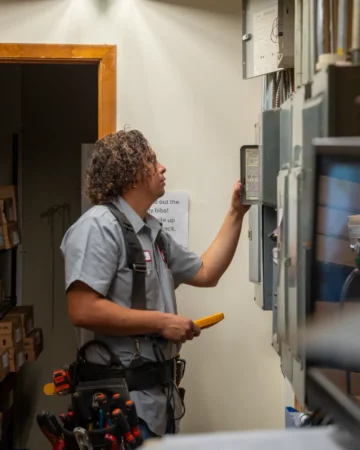
Industrial HVAC systems are the backbone of comfort, safety, and productivity in large facilities such as manufacturing plants, warehouses, hospitals, data centers, and commercial buildings. When these systems fail, the consequences can be costly, disruptive, and even dangerous. That is why industrial HVAC preventive maintenance is not optional; it is a critical operational strategy. By implementing a structured preventive maintenance checklist, facility managers can reduce downtime, improve energy efficiency, extend equipment lifespan, and stay compliant with industry regulations.
What Is Industrial HVAC Preventive Maintenance?
Industrial HVAC preventive maintenance refers to the planned, routine inspection, servicing, and optimization of heating, ventilation, and air conditioning systems before failures occur. Unlike reactive maintenance, which addresses problems after a breakdown, preventive maintenance focuses on identifying wear, inefficiencies, and potential issues early.
Industrial HVAC systems are more complex than residential units. They often include large rooftop units, chillers, boilers, cooling towers, air handlers, duct networks, and sophisticated control systems. Preventive maintenance ensures that all of these components operate together reliably and efficiently.
Key goals of industrial HVAC preventive maintenance include reducing unexpected breakdowns, maintaining consistent indoor air quality and temperature control, improving energy efficiency and lowering operating costs, extending the lifespan of expensive HVAC equipment, and ensuring compliance with safety, environmental, and regulatory standards.
A comprehensive preventive maintenance checklist provides structure and consistency. While the exact checklist may vary depending on facility type and equipment, the following elements are essential for most industrial HVAC systems.
Critical Inspections in Industrial HVAC Preventive Maintenance
Routine inspections form the foundation of effective preventive maintenance. These inspections help technicians catch small issues before they become major failures.
Key inspection tasks include visual inspection of HVAC units for corrosion, leaks, or physical damage, checking belts and pulleys for wear, alignment, and proper tension, inspecting electrical connections for loose wires, overheating, or corrosion, examining insulation on refrigerant lines and ductwork, verifying proper airflow through vents and duct systems, and checking for unusual noises, vibrations, or odors during operation.
Inspections should also include a review of system controls and sensors to ensure accurate temperature readings and proper system response. Faulty sensors can cause systems to short-cycle or overwork, leading to higher energy consumption and premature wear.
Cleaning and filter maintenance are equally important. Dirty components reduce efficiency and strain equipment. Preventive maintenance should include replacing or cleaning air filters based on usage and environment, cleaning evaporator and condenser coils to maintain heat transfer efficiency, clearing debris from outdoor units and rooftop equipment, and cleaning drain pans and condensate lines to prevent water damage and mold growth.
Lubrication and mechanical servicing are also critical. Bearings, motors, and moving parts require proper lubrication to reduce friction and wear. Tasks include lubricating fan motors, bearings, and moving components according to manufacturer specifications, checking motor amperage and voltage to detect overload conditions, tightening mounting hardware to prevent vibration damage, and inspecting dampers and actuators for smooth operation.
Refrigeration system checks are especially important in industrial settings. Preventive maintenance should include verifying refrigerant levels and checking for leaks, inspecting compressors for proper operation and abnormal sounds, checking superheat and subcooling values, and ensuring that safety controls such as pressure switches function correctly.
Control system and automation checks round out the checklist. Many industrial HVAC systems rely on building automation systems. Preventive maintenance includes calibrating thermostats, sensors, and control devices, reviewing control sequences for efficiency and accuracy, testing alarms and fail-safes, and updating software or firmware when needed.
Documentation is the final step that should never be overlooked. Accurate records help track system performance, identify recurring issues, and support compliance requirements. Maintenance logs should include dates, tasks performed, parts replaced, test results, and technician notes.
Why Preventive Maintenance Matters for Industrial Facilities
Preventive maintenance is not just about avoiding breakdowns. It is about protecting operations, budgets, and people.
How Preventive Maintenance Reduces Industrial HVAC Failures
Most HVAC failures do not happen suddenly. They develop over time due to wear, contamination, or minor issues that go unnoticed. Preventive maintenance reduces failures by identifying and correcting problems early. For example, a worn belt replaced during a routine inspection prevents a sudden shutdown. A dirty coil cleaned on schedule prevents overheating and compressor failure.
Preventive maintenance also reduces stress on system components. When airflow is restricted or refrigerant levels are incorrect, equipment works harder to maintain setpoints. Over time, this leads to premature failure. Regular maintenance ensures systems operate within design parameters, reducing wear and extending equipment life.
Energy efficiency is another major benefit. Well-maintained HVAC systems use less energy to deliver the same performance. Clean coils, proper airflow, and calibrated controls reduce energy waste and lower utility costs. In large industrial facilities, even small efficiency improvements can result in significant savings.
Preventive maintenance also supports consistent indoor conditions. Temperature and humidity fluctuations can affect product quality, employee comfort, and equipment performance. Reliable HVAC operation helps maintain stable conditions critical to industrial processes.
Compliance and safety are additional reasons why preventive maintenance matters. Many industries must meet strict standards related to indoor air quality, ventilation, and environmental controls. Preventive maintenance helps ensure compliance with OSHA requirements, environmental regulations, and industry-specific standards. Properly maintained systems also reduce risks associated with electrical faults, refrigerant leaks, and poor air quality.
Scheduling Preventive HVAC Maintenance for Large Facilities
Effective preventive maintenance requires a structured schedule tailored to the facility and its equipment. There is no one-size-fits-all approach, but certain best practices apply.
Maintenance frequency depends on factors such as system size and complexity, operating hours, environmental conditions, and manufacturer recommendations. For example, facilities operating 24/7 or in dusty or high-heat environments require more frequent inspections and servicing.
A typical preventive maintenance schedule may include monthly tasks such as visual inspections, filter checks, and basic performance monitoring, quarterly tasks such as coil cleaning, belt inspections, lubrication, and electrical checks, biannual tasks such as refrigerant system testing, control calibration, and airflow balancing, and annual tasks such as comprehensive system inspections, major component servicing, and performance benchmarking.
Coordination with facility operations is essential. Maintenance should be scheduled during planned downtime when possible to minimize disruption. For critical environments such as healthcare or data centers, redundancy and phased maintenance approaches may be necessary.
Partnering with a professional HVAC service provider is one of the most effective ways to manage preventive maintenance. Experienced technicians understand industrial systems, stay current with regulations, and have the tools to identify issues accurately. A service partner can also help develop a customized maintenance plan, provide detailed reporting, and offer emergency support when needed.
Technology can further enhance preventive maintenance. Building automation systems, remote monitoring, and predictive analytics help identify trends and anomalies before failures occur. These tools allow maintenance teams to move from time-based maintenance to condition-based maintenance, improving efficiency and reducing costs.
Contact Accurate Air Solutions, LLC Today
In summary, industrial HVAC preventive maintenance is a proactive investment that pays off through reduced downtime, improved efficiency, extended equipment life, and regulatory compliance. A detailed checklist, regular inspections, and a structured maintenance schedule form the foundation of a reliable HVAC strategy. For industrial facilities, preventive maintenance is not just about maintaining equipment; it is about protecting operations and ensuring long term success.
When it comes to professional support you can trust, Accurate Air Solutions, LLC is here to help. At Accurate Air Solutions, LLC, we understand that comfort can’t wait, and neither should you. That’s why we offer reliable, 24/7 HVAC/R, electrical, and plumbing services across Texas, with a strong presence in Abilene, Brownwood, San Angelo, Lubbock, and Galveston areas. Our mission is to keep homes and businesses running smoothly by delivering expert craftsmanship, round-the-clock availability, and customized solutions that fit your needs and your budget. Whether you’re battling the relentless heat of a Texas summer, facing an unexpected plumbing emergency in the middle of the night, or troubleshooting electrical issues that disrupt your home or business, we’re the dependable team that’s always ready to help. From residential fixes to large-scale commercial projects, Accurate Air Solutions, LLC is your go-to partner for comfort, efficiency, and peace of mind. Contact us today to schedule service or learn more about how our preventive maintenance programs can protect your HVAC investment.
A commercial HVAC maintenance contract is one of the most important tools a business can use to protect its facilities, control operating costs, and ensure uninterrupted comfort for employees, tenants, and customers. Commercial heating, ventilation, and air conditioning systems are complex, expensive assets that work hard every day, often in demanding environments. Without a clear maintenance agreement in place, even a minor issue can turn into a costly breakdown, unexpected downtime, or a shortened system lifespan.
What Is a Commercial HVAC Maintenance Contract?
A commercial HVAC maintenance contract is a formal service agreement between a business and an HVAC provider that outlines how heating and cooling systems will be inspected, serviced, and repaired over a defined period of time. These contracts are designed to move HVAC care from a reactive, emergency-only approach to a planned and preventive strategy.
Instead of calling for service only when something breaks, a maintenance contract establishes a regular schedule of inspections, tune-ups, and performance checks. It also defines response times, pricing structures, and responsibilities for both the service provider and the customer. For commercial properties such as office buildings, retail centers, industrial facilities, healthcare buildings, and multifamily housing, these agreements help ensure reliable system performance year-round.
From a business perspective, a maintenance contract creates predictability. Facility managers know when service will occur, what it will include, and how much it will cost. From an operational standpoint, it reduces the likelihood of unexpected failures during peak heating or cooling seasons when downtime is most disruptive and repairs are most expensive.
What Should a Commercial HVAC Maintenance Contract Include?
Not all maintenance contracts are created equal. Some provide only basic inspections, while others offer comprehensive coverage that supports long-term system health and operational efficiency. Understanding what should be included helps decision-makers compare providers accurately and avoid gaps in service.
Key Services Included in a Commercial HVAC Maintenance Contract
At a minimum, a well-structured commercial HVAC maintenance contract should clearly define the scope of services provided. These typically include routine preventive tasks, system performance evaluations, and support services that keep equipment operating efficiently.
Common services included in a strong maintenance contract are:
Scheduled inspections and tune-ups performed quarterly, semi-annually, or annually, depending on system type and usage.
Cleaning of coils, filters, drains, and other components that impact airflow and efficiency.
Inspection and calibration of thermostats, sensors, and controls.
Lubrication of moving parts to reduce wear and prevent premature failure.
Electrical component checks, including wiring, connections, and safety controls.
Refrigerant level checks and leak detection where applicable.
Documentation of findings, recommendations, and completed work.
In addition to routine maintenance, many contracts include priority service for breakdowns. This can mean faster response times, reduced labor rates, or discounted parts pricing for contract customers. Some agreements also cover minor repairs as part of the plan, while others clearly outline what is excluded and billed separately.
A transparent contract spells out exactly what is included, how often services occur, and how additional work is approved. This clarity protects both the business and the service provider.
Preventive Maintenance vs Reactive HVAC Service Agreements
One of the most important distinctions to understand when reviewing a commercial HVAC maintenance contract is whether it emphasizes preventive maintenance or reactive service. Preventive maintenance focuses on identifying and correcting small issues before they become major problems. Reactive service addresses issues only after a system fails or performance is already compromised.
Preventive maintenance agreements offer several advantages for commercial operations:
Reduced risk of unexpected system failures during peak seasons.
Improved energy efficiency, which helps lower monthly utility costs.
Longer equipment lifespan, delaying costly system replacements.
Better indoor air quality due to cleaner components and proper airflow.
More accurate budgeting through predictable maintenance expenses.
Reactive agreements, or pay-as-you-go service models, may seem less expensive upfront but often lead to higher long-term costs. Emergency calls, after-hours labor, expedited parts, and extended downtime can quickly exceed the cost of a proactive maintenance plan.
A comprehensive maintenance contract prioritizes prevention while still providing responsive support when unexpected issues arise. This balanced approach supports uptime and cost control, especially for businesses that rely on consistent indoor conditions.
How to Choose the Right Commercial HVAC Maintenance Provider
Selecting the right provider is just as important as choosing the right contract. A well-written agreement is only effective if the company behind it has the experience, resources, and commitment to deliver consistent service.
When evaluating commercial HVAC maintenance providers, businesses should look beyond price alone. A low-cost contract that lacks thorough service or reliable response can end up costing more in downtime, repairs, and lost productivity.
Key factors to consider when choosing a provider include:
Experience with commercial HVAC systems similar to yours, including size, complexity, and industry requirements.
Licensing, certifications, and insurance that demonstrate professionalism and compliance.
Availability of technicians during nights, weekends, and emergencies.
Clear communication and detailed reporting after each service visit.
Ability to scale services as your business grows or systems change.
A reputable provider should be willing to walk through the contract line by line, explain their maintenance process, and tailor the agreement to your facility’s specific needs rather than offering a one-size-fits-all plan.
Red Flags to Avoid When Signing HVAC Service Contracts
While many HVAC providers operate with integrity, there are warning signs that businesses should watch for when reviewing maintenance contracts. Identifying these red flags early can prevent frustration and unexpected expenses later.
Common red flags include:
Vague language that does not clearly define what services are included or excluded.
No guaranteed response times for emergency or priority service.
Lack of documentation or reporting after maintenance visits.
Contracts that automatically renew without clear notice or opt-out terms.
Pricing structures that hide additional fees for basic services.
Providers unwilling to customize service plans based on system needs.
Another concern is contracts that focus heavily on sales rather than maintenance. While recommendations for upgrades or replacements can be valid, a maintenance provider should prioritize system performance and longevity, not unnecessary replacements.
A trustworthy provider welcomes questions, provides transparent answers, and aligns their contract terms with your operational goals.
Why a Commercial HVAC Maintenance Contract Matters for Cost Control and Uptime
From an operational standpoint, HVAC systems are critical infrastructure. When they fail, the consequences can include lost revenue, uncomfortable or unsafe conditions, regulatory issues, and damage to equipment or inventory.
A commercial HVAC maintenance contract supports cost control by shifting expenses from unpredictable emergency repairs to planned, manageable maintenance costs. Routine inspections identify inefficiencies such as dirty coils, failing motors, or control issues that drive up energy usage. Addressing these problems early helps keep operating expenses in check.
Uptime is equally important. Businesses in healthcare, manufacturing, hospitality, retail, and data-driven industries often cannot afford HVAC downtime. Maintenance contracts help ensure systems are ready to perform during extreme weather conditions, which is especially important in climates with intense heat or cold.
Additionally, documented maintenance can support warranty compliance and regulatory requirements. Many manufacturers require proof of routine service to honor warranties, and some industries require regular HVAC inspections for safety and compliance reasons.
How Businesses Can Evaluate Contract Value Beyond Price
When comparing commercial HVAC maintenance contracts, it is important to assess overall value rather than focusing solely on monthly or annual cost. A slightly higher-priced contract may offer significantly better coverage, response times, and long-term savings.
To evaluate value, businesses should consider:
Frequency and depth of maintenance visits.
Qualifications and experience of assigned technicians.
Availability of emergency service and guaranteed response times.
Discounts on repairs, parts, or additional services.
Quality of communication, reporting, and system recommendations.
Asking for references or case examples from similar commercial clients can also provide insight into how a provider performs over time.
Partner with Accurate Air Solutions, LLC for Reliable Commercial HVAC Maintenance
Choosing the right commercial HVAC maintenance contract is an investment in reliability, efficiency, and peace of mind. At Accurate Air Solutions, LLC, we understand that comfort can’t wait, and neither should you. That’s why we offer reliable, 24/7 HVAC/R, electrical, and plumbing services across Texas, with a strong presence in Abilene, Brownwood, San Angelo, Lubbock, and Galveston areas. Our mission is to keep homes and businesses running smoothly by delivering expert craftsmanship, round-the-clock availability, and customized solutions that fit your needs and your budget.
Whether you’re battling the relentless heat of a Texas summer, facing an unexpected plumbing emergency in the middle of the night, or troubleshooting electrical issues that disrupt your home or business, we’re the dependable team that’s always ready to help. From residential fixes to large-scale commercial projects, Accurate Air Solutions, LLC is your go-to partner for comfort, efficiency, and peace of mind. Learn more or request a customized commercial HVAC maintenance contract today.
For business owners and facility managers, few systems are as critical to daily operations as commercial heating, ventilation, and air conditioning. A well-maintained HVAC system keeps employees productive, customers comfortable, and equipment operating within safe temperature ranges. One of the most common questions decision makers ask is how often should commercial HVAC be serviced to balance cost, efficiency, and reliability. The answer depends on several variables, including building size, how the space is used, and the type of equipment installed. Understanding these factors helps businesses plan maintenance schedules that reduce breakdowns, extend system life, and control long-term operating expenses.
Commercial HVAC systems are far more complex than residential units. They run longer hours, serve larger spaces, and must meet stricter indoor air quality and safety standards. Regular service is not just a recommendation. It is a core part of responsible facility management. Below, we break down recommended service frequencies, key factors that influence maintenance needs, and the real risks of skipping scheduled HVAC care.
How Often Should Commercial HVAC Systems Be Serviced Each Year?
In general, most commercial HVAC systems should be professionally serviced at least two times per year. These visits are typically scheduled in the spring before cooling season and in the fall before heating season. This baseline ensures that the system is prepared for peak demand periods and allows technicians to identify minor issues before they escalate.
For many businesses, twice-yearly service is the minimum. Some facilities require more frequent attention due to heavier use, specialized equipment, or regulatory requirements. A proactive service schedule often includes a mix of comprehensive inspections and lighter checkups spread throughout the year.
Typical annual service expectations include:
Two full system inspections and tune-ups
Filter changes based on usage and air quality needs
Electrical and control testing
Refrigerant level checks and leak detection
Cleaning of coils, drains, and air handling components
While this general guidance applies to many buildings, it is important to customize the schedule based on your specific operation. A small office building has very different demands compared to a hospital, manufacturing plant, or large retail space.
Recommended Service Intervals for Commercial HVAC Equipment
Different HVAC components experience wear at different rates. Understanding recommended service intervals by equipment type helps ensure no part of the system is overlooked.
Common service interval guidelines include:
Rooftop units: Inspected quarterly with full service twice per year
Split systems: Semiannual maintenance with more frequent filter changes
Boilers: Annual inspections with additional checks during heavy heating use
Chillers: Quarterly inspections and annual comprehensive service
Cooling towers: Monthly checks during operating season and seasonal shutdown service
Air handlers and VAV boxes: Inspected one to two times per year, depending on use
High-value or mission-critical equipment often benefits from a preventative maintenance agreement that includes scheduled visits throughout the year. This approach spreads costs more evenly and reduces the likelihood of emergency repairs.
Factors That Affect Commercial HVAC Service Frequency
There is no one-size-fits-all answer for commercial HVAC maintenance. Several factors influence how often service should be performed and how detailed each visit needs to be.
Building Size and Layout
Larger buildings generally require more frequent HVAC service. More square footage means more ductwork, more zones, and more components that can develop issues. Multi-story buildings or campuses with multiple units often need staggered maintenance schedules to keep everything operating smoothly.
Complex layouts with varying occupancy levels can also strain HVAC systems. Areas with high heat loads, such as server rooms or kitchens, may need more frequent inspections and adjustments.
Usage and Occupancy Patterns
How a building is used plays a major role in service frequency. HVAC systems in spaces that operate around the clock experience significantly more wear than systems that run only during standard business hours.
Examples of high-demand usage include:
Hospitals and healthcare facilities
Hotels and hospitality spaces
Data centers
Manufacturing and industrial facilities
Restaurants and commercial kitchens
Even within office environments, high occupant density increases the load on HVAC systems and affects indoor air quality. More people generate more heat, moisture, and airborne particles, all of which increase maintenance needs.
Equipment Type and Age
Newer HVAC systems with modern controls and high-efficiency components often require fewer repairs but still need regular inspections to maintain warranty coverage and performance. Older systems typically need more frequent service due to aging parts and reduced efficiency.
Specialized equipment such as variable refrigerant flow systems or integrated building automation systems may require technicians with specific training and more detailed monitoring.
Environmental Conditions
Local climate and environmental conditions have a direct impact on HVAC maintenance needs. In Texas, extreme heat, dust, humidity, and coastal salt air can all accelerate wear on HVAC components.
Buildings in areas with:
High dust or pollen levels
Coastal exposure
Heavy seasonal temperature swings
often benefit from more frequent filter changes, coil cleaning, and corrosion prevention measures.
Seasonal Commercial HVAC Maintenance Best Practices
Seasonal maintenance is one of the most effective ways to prevent system failures and maintain energy efficiency. Each season presents different challenges and priorities for commercial HVAC systems.
Spring and early summer maintenance focuses on cooling performance. Best practices include:
Cleaning condenser and evaporator coils
Checking refrigerant levels
Testing compressors and fan motors
Verifying thermostat calibration
Inspecting condensate drains
Fall maintenance prepares systems for heating season. Key tasks include:
Inspecting heat exchangers
Testing ignition systems and burners
Checking gas or electrical connections
Verifying safety controls
Cleaning and adjusting airflow components
In addition to these seasonal visits, many businesses schedule mid-season checkups to ensure systems are performing as expected during peak demand.
Risks of Skipping Regular Commercial HVAC Maintenance
Delaying or skipping HVAC maintenance may seem like a way to save money in the short term, but it almost always leads to higher costs and greater risk over time. Commercial HVAC systems are significant investments, and neglecting them can have serious consequences.
Increased Risk of System Failure
Small issues such as dirty coils, loose electrical connections, or low refrigerant levels can quickly turn into major failures if left unaddressed. Unexpected breakdowns often occur during extreme weather when systems are under the greatest stress.
Emergency repairs are typically more expensive and disruptive than scheduled maintenance. They may also result in extended downtime while parts are sourced or specialized technicians are dispatched.
Higher Energy Costs
Poorly maintained HVAC systems consume more energy to deliver the same level of comfort. Dirty filters, clogged coils, and miscalibrated controls all reduce efficiency.
Common causes of increased energy use include:
Restricted airflow
Improper refrigerant charge
Worn belts and bearings
Faulty sensors and controls
Over time, higher utility bills can easily exceed the cost of regular maintenance.
Shortened Equipment Lifespan
Commercial HVAC systems are designed to last many years, but only when properly maintained. Skipping service accelerates wear on critical components and can shorten equipment life by several years.
Replacing a rooftop unit, chiller, or boiler prematurely is a major capital expense that can often be avoided with consistent preventative care.
Poor Indoor Air Quality
HVAC systems play a central role in maintaining indoor air quality. Dirty filters, mold growth, and poorly maintained ductwork can lead to unhealthy conditions for occupants.
Potential consequences include:
Increased employee sick days
Customer discomfort or complaints
Aggravation of allergies or respiratory issues
Compliance issues in regulated industries
When More Frequent Commercial HVAC Service Is Required
Some situations call for more frequent HVAC service than the standard twice-per-year schedule. Recognizing these conditions helps businesses avoid unexpected problems.
More frequent service may be needed when:
The building operates 24 hours per day
Equipment serves critical processes or sensitive environments
The facility experiences frequent comfort complaints
Systems are older or nearing the end of their expected lifespan
Recent renovations or occupancy changes have increased HVAC load
In these cases, monthly or quarterly inspections can provide valuable insight into system performance and prevent costly disruptions.
Planning an Effective Commercial HVAC Maintenance Schedule
The most effective HVAC maintenance plans are proactive and customized. Rather than reacting to problems, businesses that invest in preventative care benefit from greater reliability, predictable costs, and improved comfort.
When planning a maintenance schedule, consider:
Equipment manufacturer recommendations
Building usage patterns
Local climate conditions
Budget planning and long-term goals
Regulatory or warranty requirements
Partnering with a qualified commercial HVAC provider ensures that maintenance tasks are performed correctly and documented properly. This documentation can be valuable for compliance, resale, or insurance purposes.
Contact Us Today
Understanding how often commercial HVAC systems should be serviced is a critical step in protecting your investment and ensuring reliable performance year-round. While most systems require at least two professional service visits per year, factors such as building size, usage, equipment type, and environmental conditions may justify more frequent maintenance. Regular service reduces energy costs, extends equipment life, improves indoor air quality, and minimizes the risk of costly breakdowns.
At Accurate Air Solutions, LLC, we understand that comfort can’t wait, and neither should you. That’s why we offer reliable, 24/7 HVAC/R, electrical, and plumbing services across Texas, with a strong presence in Abilene, Brownwood, San Angelo, Lubbock, and Galveston areas. Our mission is to keep homes and businesses running smoothly by delivering expert craftsmanship, round-the-clock availability, and customized solutions that fit your needs and your budget. Whether you’re battling the relentless heat of a Texas summer, facing an unexpected plumbing emergency in the middle of the night, or troubleshooting electrical issues that disrupt your home or business, we’re the dependable team that’s always ready to help. From residential fixes to large-scale commercial projects, Accurate Air Solutions, LLC is your go-to partner for comfort, efficiency, and peace of mind. To learn more or schedule service, contact us today.
A well-planned commercial HVAC preventive maintenance checklist is one of the most important tools a business can use to protect its building systems, control operating costs, and maintain a comfortable indoor environment. Commercial HVAC systems are complex, expensive, and essential to daily operations. When they fail, the consequences can include uncomfortable occupants, lost productivity, damaged equipment, and costly emergency repairs. Preventive maintenance focuses on catching small issues before they turn into major breakdowns, helping facility managers and business owners extend system life while improving efficiency and reliability.
This guide explains what a complete commercial HVAC preventive maintenance checklist should include, why each task matters, and how routine service reduces energy waste, unexpected failures, and long-term repair expenses. Whether you manage an office building, retail space, healthcare facility, or industrial property, understanding these maintenance fundamentals can help you make smarter decisions and protect your investment.
A comprehensive preventive maintenance checklist covers all major components of a commercial HVAC system. Each item plays a specific role in system performance, and neglecting even one area can lead to inefficiencies or failures elsewhere. Core inspection items typically include mechanical, electrical, airflow, and control system checks.
Key tasks that should appear on every commercial HVAC preventive maintenance checklist include:
Inspecting and tightening electrical connections to prevent overheating, arcing, and component damage
Checking thermostat and control calibration to ensure accurate temperature regulation
Verifying proper refrigerant levels and inspecting for leaks that can reduce cooling capacity and strain compressors
Inspecting motors, bearings, and moving parts for signs of wear, overheating, or abnormal noise
Measuring airflow and static pressure to confirm the system is delivering the correct volume of air
Inspecting drain pans and condensate lines to prevent water damage and microbial growth
Each of these tasks supports system stability. Electrical inspections reduce fire risks and equipment failure. Refrigerant checks protect compressors, one of the most expensive components to replace. Airflow measurements ensure occupants receive consistent comfort while preventing excessive energy consumption.
Commercial HVAC Preventive Maintenance Checklist for Air Handlers and RTUs
Air handlers and rooftop units are the workhorses of most commercial HVAC systems. Because they operate for long hours and are exposed to outdoor conditions, they require special attention during preventive maintenance visits.
A thorough checklist for air handlers and RTUs should include:
Inspecting fans and fan housings for proper alignment, balance, and cleanliness
Checking dampers and actuators for smooth operation and correct positioning
Examining insulation inside units for damage or moisture intrusion
Inspecting heat exchangers for cracks or corrosion that could compromise safety
Verifying proper operation of safety controls and limit switches
Maintaining these components helps ensure reliable heating and cooling delivery throughout the building. Clean, well-maintained air handlers move air efficiently, reduce strain on motors, and support healthy indoor air quality. For rooftop units, routine inspections can catch weather-related damage early and prevent exposure-related failures.
Filter, Belt, and Coil Checks in a Commercial HVAC Maintenance Plan
Filters, belts, and coils may seem like small components, but they have a major impact on performance and efficiency. They should always be addressed as part of a commercial HVAC preventive maintenance checklist.
Important tasks in this category include:
Replacing or cleaning air filters based on usage, occupancy, and environmental conditions
Inspecting belts for cracks, glazing, or improper tension and replacing them as needed
Cleaning evaporator and condenser coils to remove dirt, grease, and debris
Checking coil fins for damage that could restrict airflow
Dirty filters restrict airflow, forcing systems to work harder and consume more energy. Worn belts can slip or break, leading to sudden shutdowns. Dirty coils reduce heat transfer efficiency, which increases operating costs and accelerates wear on compressors and fans. Regular attention to these items delivers immediate efficiency gains and reduces the likelihood of unexpected downtime.
Why Preventive HVAC Maintenance Matters for Commercial Buildings
Preventive maintenance is not just about avoiding breakdowns. It is a strategic approach to building management that delivers measurable financial and operational benefits. Commercial HVAC systems account for a significant portion of a building’s energy use, and even small inefficiencies can add up to substantial costs over time.
Reducing energy consumption through optimized airflow, clean components, and proper calibration
Extending equipment lifespan by minimizing wear and avoiding catastrophic failures
Lowering repair costs by identifying issues early when they are easier and cheaper to fix
Improving occupant comfort and productivity with consistent temperature control
Supporting compliance with warranty requirements and local regulations
From a budgeting perspective, preventive maintenance transforms unpredictable emergency expenses into planned operating costs. It also allows facility managers to schedule repairs during off-hours, reducing disruptions to business operations.
Preventive maintenance also plays a role in indoor air quality. Clean filters, coils, and drain systems reduce the buildup of dust, allergens, and moisture. This is especially important in commercial settings where employee health and customer comfort directly impact reputation and performance.
How Often Should Commercial HVAC Systems Be Maintained
Maintenance frequency depends on several factors, including system type, building use, climate, and operating hours. In Texas, where HVAC systems often run year-round due to high cooling demand, regular maintenance is especially critical.
General guidelines for commercial HVAC maintenance include:
Quarterly inspections for most commercial buildings
Monthly filter checks in high-occupancy or high-dust environments
Biannual comprehensive maintenance before peak cooling and heating seasons
More frequent service for critical facilities such as healthcare, data centers, or manufacturing plants
Rooftop units and air handlers in harsh environments may require additional attention. Facilities near coastal areas, industrial zones, or high traffic locations often experience accelerated wear due to salt, chemicals, or airborne debris. A professional HVAC provider can help tailor a maintenance schedule that matches the building’s specific needs.
Scheduling Professional Commercial HVAC Preventive Maintenance
While some basic tasks can be handled in-house, a professional service provider is essential for a complete preventive maintenance program. Trained technicians have the tools, experience, and diagnostic knowledge to identify issues that may not be visible during routine inspections.
Professional commercial HVAC preventive maintenance typically includes:
Detailed system performance testing and documentation
Advanced diagnostics to detect inefficiencies or failing components
Safe handling of refrigerants and electrical systems
Recommendations for repairs, upgrades, or efficiency improvements
Working with a trusted HVAC partner also provides continuity. Technicians who are familiar with your system history can track trends, anticipate future needs, and help you plan capital improvements. This proactive approach reduces surprises and supports long-term facility planning.
Many businesses choose to enroll in preventive maintenance agreements that include scheduled visits, priority service, and predictable pricing. These programs simplify maintenance management and ensure critical tasks are never overlooked.
Bringing It All Together
A complete commercial HVAC preventive maintenance checklist is more than a list of tasks. It is a roadmap for protecting one of your building’s most valuable systems. By addressing electrical components, airflow, refrigerant levels, filters, belts, coils, and controls, businesses can significantly reduce breakdowns, energy waste, and costly repairs.
Preventive maintenance supports operational reliability, financial stability, and occupant satisfaction. In demanding climates like Texas, where HVAC systems face constant stress, a proactive maintenance strategy is not optional. It is essential.
If you are ready to strengthen your maintenance plan or need expert support, Accurate Air Solutions, LLC is here to help. At Accurate Air Solutions, LLC, we understand that comfort can’t wait, and neither should you. That’s why we offer reliable, 24/7 HVAC/R, electrical, and plumbing services across Texas, with a strong presence in Abilene, Brownwood, San Angelo, Lubbock, and Galveston areas. Our mission is to keep homes and businesses running smoothly by delivering expert craftsmanship, round-the-clock availability, and customized solutions that fit your needs and your budget. Whether you’re battling the relentless heat of a Texas summer, facing an unexpected plumbing emergency in the middle of the night, or troubleshooting electrical issues that disrupt your home or business, we’re the dependable team that’s always ready to help. From residential fixes to large-scale commercial projects, Accurate Air Solutions, LLC is your go-to partner for comfort, efficiency, and peace of mind. Contact us to schedule service or learn more about how a professional preventive maintenance program can protect your business year after year.
A walk-in cooler is one of the most critical pieces of equipment in many commercial environments, from restaurants and grocery stores to medical facilities and warehouses. When it operates properly, it protects inventory, ensures food safety, and keeps daily operations running smoothly. When it begins to fail, the consequences can be expensive and disruptive. Recognizing walk-in cooler repair signs early can help business owners prevent product loss, avoid emergency shutdowns, and extend the life of their equipment.
Common Signs a Walk-In Cooler is Failing
Walk-in coolers rarely stop working without warning. In most cases, there are noticeable changes in performance that signal trouble long before a total breakdown occurs. Paying attention to these signs allows business owners to act quickly and reduce downtime.
Temperature Fluctuations and Walk-In Cooler Failures
One of the earliest and most serious indicators of trouble is inconsistent temperature control. A walk-in cooler should maintain a stable internal temperature within a narrow range. When temperatures fluctuate, food safety and product quality are immediately at risk.
Common temperature-related warning signs include:
The cooler struggles to maintain its set temperature.
Products feel warmer or partially frozen in different areas.
The unit cycles on and off more frequently than usual.
Temperature alarms are triggered regularly.
Temperature fluctuations can occur for several reasons. Faulty thermostats may send incorrect signals to the system. Dirty condenser coils can prevent proper heat transfer. Refrigerant leaks can reduce cooling capacity. Even worn door gaskets can allow warm air to enter, forcing the system to work harder to compensate. If temperature issues persist, they should never be ignored, as prolonged instability can lead to spoiled inventory and health code violations.
Unusual Noises, Odors, or Ice Buildup
Walk-in coolers are not silent, but changes in sound often point to mechanical stress or failing components. Grinding, squealing, rattling, or knocking noises may indicate problems with motors, fans, or compressors.
Other physical warning signs include:
Strong or unusual odors coming from the unit.
Ice forming on evaporator coils or interior walls.
Excessive frost buildup that restricts airflow.
Water pooling on the floor near the cooler.
Ice buildup is especially concerning. It often signals airflow restrictions, malfunctioning defrost systems, or refrigerant issues. Left unaddressed, ice accumulation reduces efficiency and increases strain on the compressor, accelerating system failure.
Rising Energy Bills and Reduced Efficiency
A gradual increase in energy costs without changes in usage patterns is another sign that a walk-in cooler may be failing. As components wear down or become dirty, the system must run longer and harder to maintain temperature.
Efficiency-related warning signs include:
Longer run times throughout the day.
The compressor rarely shuts off.
Noticeable spikes in utility bills.
Heat buildup around the condenser area.
Reduced efficiency not only increases operating expenses but also shortens equipment lifespan. Addressing efficiency problems early through inspection and maintenance can significantly reduce long-term costs.
What Causes Walk-In Cooler Performance Problems?
Understanding why walk-in coolers fail helps business owners make informed decisions about maintenance and repair. Many issues stem from a combination of mechanical wear, environmental factors, and lack of routine service.
Mechanical Issues That Lead to Walk-In Cooler Breakdowns
Mechanical components are under constant stress in commercial refrigeration systems. Over time, even well-maintained equipment experiences wear and tear.
Common mechanical causes of failure include:
Compressor fatigue or overheating.
Fan motor failure affecting airflow.
Refrigerant leaks reducing cooling capacity.
Electrical issues such as faulty wiring or controls.
Malfunctioning expansion valves.
The compressor is especially critical. When it begins to fail, the entire system is at risk. Compressors often show warning signs such as loud noises, overheating, or frequent cycling before complete failure occurs. Prompt professional diagnosis can sometimes repair or stabilize the issue before a costly replacement becomes necessary.
Environmental and Usage Factors
External conditions play a major role in walk-in cooler performance. High ambient temperatures, common in Texas, increase the workload on refrigeration systems. Poor ventilation around the condenser can trap heat and reduce efficiency.
Usage habits also matter. Frequent door openings, overloading shelves, or blocking airflow vents can cause uneven cooling and strain components. In busy commercial kitchens or retail environments, these habits are often unavoidable, which makes proper system design and maintenance even more important.
Other contributing factors include:
Aging equipment operating beyond its intended lifespan.
Improper installation or system sizing.
Lack of regular cleaning and inspection.
Deferred repairs that allow minor issues to escalate.
When to Call for Professional Walk-In Cooler Repair
Knowing when to call a professional can make the difference between a manageable repair and a full system replacement. While some minor issues can be addressed by trained staff, many problems require specialized tools, certifications, and experience.
Preventing Costly Walk-In Cooler Repairs with Maintenance
Preventive maintenance is the most effective way to avoid unexpected failures. Regular service allows technicians to identify and correct small problems before they disrupt operations.
A comprehensive maintenance plan typically includes:
Cleaning condenser and evaporator coils.
Inspecting and tightening electrical connections.
Checking refrigerant levels and pressures.
Testing thermostats and safety controls.
Inspecting door seals and hinges.
Verifying proper airflow and drainage.
Scheduled maintenance not only improves reliability but also helps systems run more efficiently, reducing energy costs and extending equipment life. Businesses that rely heavily on refrigeration often find that maintenance contracts pay for themselves by preventing emergency repairs and inventory loss.
Situations That Require Immediate Professional Attention
Some warning signs indicate that immediate professional repair is necessary. Delaying service in these situations can result in significant damage or safety concerns.
Call for professional walk-in cooler repair if:
The unit fails to maintain safe temperatures.
The compressor shuts down or will not start.
There is visible refrigerant leakage.
Electrical issues cause breakers to trip.
The system completely stops cooling.
Attempting DIY repairs on commercial refrigeration systems is risky and often violates safety regulations. Certified professionals have the training and equipment to diagnose issues accurately and perform repairs safely and efficiently.
The Cost of Waiting Too Long
Ignoring walk-in cooler repair signs can have serious consequences. Spoiled inventory, lost revenue, emergency repair premiums, and potential regulatory penalties all add up quickly. In severe cases, prolonged neglect can lead to complete system failure, requiring full replacement rather than repair.
Early intervention is almost always more cost-effective. Addressing problems when they first appear helps maintain operational continuity and protects both products and reputation.
Partner with Accurate Air Solutions, LLC
A failing walk-in cooler does not usually happen overnight. Temperature fluctuations, unusual noises, ice buildup, and declining efficiency are all signals that something is wrong. Understanding the causes behind these issues and knowing when to call a professional allows business owners to take control before small problems turn into major disruptions.
At Accurate Air Solutions, LLC, we understand that comfort can’t wait, and neither should you. That’s why we offer reliable, 24/7 HVAC/R, electrical, and plumbing services across Texas, with a strong presence in Abilene, Brownwood, San Angelo, Lubbock, and Galveston areas. Our mission is to keep homes and businesses running smoothly by delivering expert craftsmanship, round-the-clock availability, and customized solutions that fit your needs and your budget. Whether you’re battling the relentless heat of a Texas summer, facing an unexpected plumbing emergency in the middle of the night, or troubleshooting electrical issues that disrupt your home or business, we’re the dependable team that’s always ready to help. From residential fixes to large-scale commercial projects, Accurate Air Solutions, LLC is your go-to partner for comfort, efficiency, and peace of mind. If you are noticing warning signs in your walk-in cooler or want to protect your investment with professional maintenance, contact us today and let our experienced team keep your business running without interruption.
Yes! We offer financing and an easy application process.